
Your brain loves a challenge, but it doesn’t need hours of puzzles to stay sharp. These 13 quick exercises train your focus, memory, and creativity in under five minutes a day. These are the easiest daily upgrades your brain will thank you for.
13. Chew Gum to Sharpen Your Focus

That stick of gum in your pocket might be a secret weapon for your brain. A 2015 study from BioMed Research International indicates that the act of chewing can increase alertness and enhance attention. When you need to power through a demanding task or fight off a mid-afternoon slump, popping a piece of gum can provide a surprising cognitive lift.
12. Take a 2-Minute Cold Shower

Ready for a shock to your system that your brain will love? A brief blast of cold water can increase alertness and release a flood of mood-boosting neurotransmitters. One incredible study found that a cold plunge can spike dopamine levels. Try ending your regular shower with two minutes of the coldest water you can handle. The jolt is a powerful, drug-free way to sharpen your mind and elevate your mood for hours.
11. Switch to Your Non-Dominant Hand

Want to build a stronger brain? Start by brushing your teeth with the “wrong” hand. Using your non-dominant hand for simple tasks creates new neural pathways and strengthens the connections between your brain’s hemispheres. This simple switch forces your brain out of its cognitive ruts and promotes neuroplasticity. That feeling of awkwardness is your brain getting stronger.
10. Walk Backward to Boost Your Brain

Walking backward might look strange, but it’s one way to upgrade your brain. This activity forces your brain to work harder, increasing activity in the prefrontal cortex (the hub for decision-making and cognitive control). According to a 2024 UCLA Health article, walking backward can enhance focus, coordination, and even memory. Just a few minutes of this unconventional stroll can sharpen your mind and also improve your balance.
9. Count Backward by 7s

Counting backward from 100 by 7s is a surprisingly potent exercise for your brain’s working memory and processing speed. This task requires attention and mental flexibility, activating key circuits in your brain. It’s an equipment-free way to challenge your cognitive abilities and keep your mind agile. Try it while waiting in line, in the shower, or any time you have a spare moment.
8. Write in Cursive by Hand

The coordinated motor skills required for handwriting activate multiple brain regions simultaneously, syncing up motor and visual systems with areas that are crucial for memory. This “neurobiologically richer” process forces you to slow down and process information more deeply, creating stronger mental footholds for recall and learning. Even a few sentences a day can make a difference.
7. Do a 5-Minute Puzzle
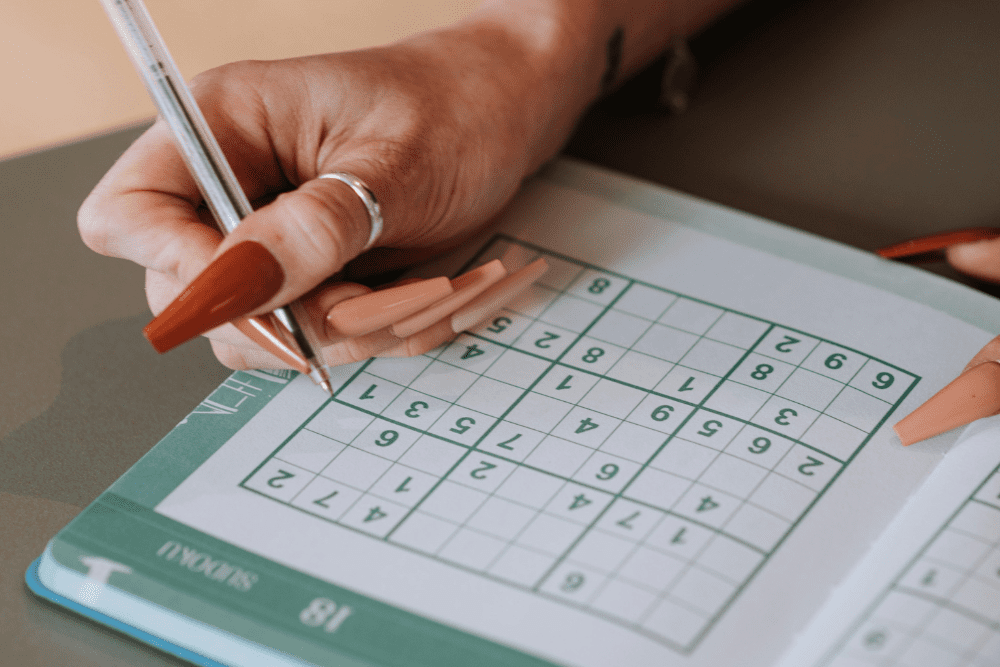
That daily crossword or Sudoku isn’t just a fun distraction. While they may not be a magic bullet against cognitive decline, puzzles build your brain’s “cognitive reserve” or its ability to stay strong in the face of aging. The key is to find a puzzle that’s challenging but not impossible to solve.
6. Learn a Few Words in a New Language
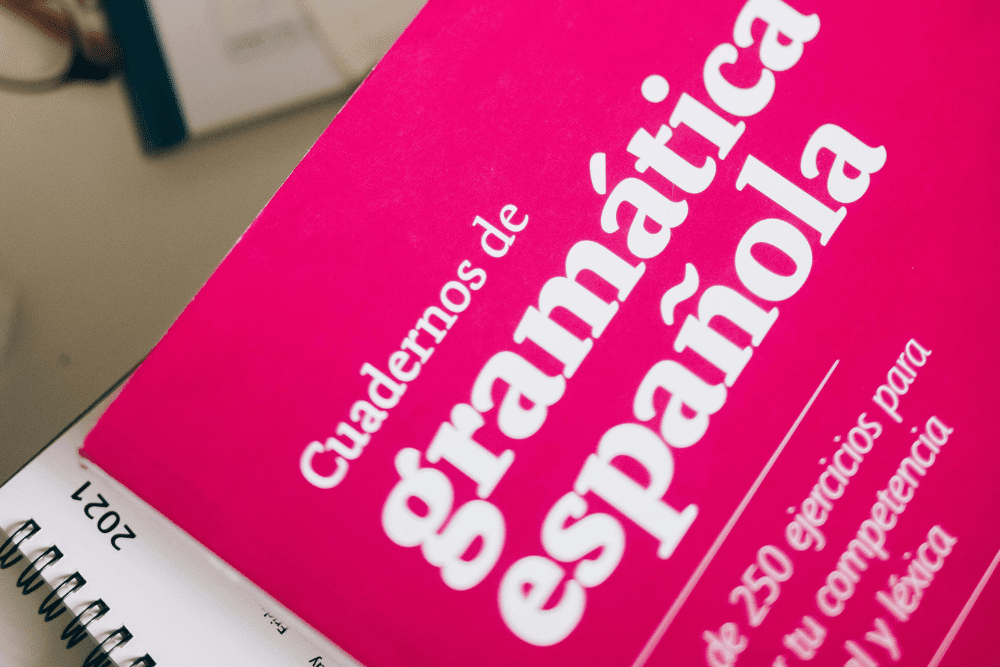
You don’t need to become fluent to enjoy the cognitive rewards of language learning. The simple act of learning a few new words engages your brain’s memory and attention centers. A 2012 study has shown that bilingual individuals have better attention, task-switching abilities, and even a delayed onset of dementia.
5. Try Juggling for 5 Minutes

The act of learning to juggle has been shown to increase the volume of gray matter in areas of the brain related to visual motion processing and coordination. This learning process itself promotes neuroplasticity or your brain’s ability to reorganize itself by forming new neural connections. Even if you’re dropping the balls, you’re building a better brain.
4. Build a Mini Memory Palace

This ancient Greek technique is a powerful way to enhance your memory. To create a memory palace, you associate items you want to remember with specific locations in a familiar place (like your home). For example, to remember a grocery list, you might imagine a milk carton on your couch and a loaf of bread on your coffee table. This method uses your brain’s spatial memory, creating vivid, memorable associations that are more effective than memorization.
3. Practice “Loving Kindness” Meditation

Meditation isn’t just for stress relief; it can physically change your brain. A 2025 study from Mount Sinai found that just 10 minutes of “loving kindness” meditation, which involves focusing on generating feelings of warmth and care, led to changes in deep brain areas associated with emotional regulation and memory. This is a simple, non-invasive practice you can do anywhere, anytime.
2. Try a 5-Minute Breathing Exercise

Simple, structured breathing exercises can improve mood, reduce anxiety, and enhance cognitive function by increasing oxygen flow to the brain. One popular technique is the 4-7-8 method: inhale for 4 seconds, hold for 7, and exhale for 8. Such practices have been shown to deliver greater improvements in mood than other relaxation techniques.
1. Play a 5-Minute Brain-Training Game

A 2025 study found that just 30 minutes a day of playing a scientifically designed brain-training game (BrainHQ) reversed about a decade of age-related decline in acetylcholine, a key neurotransmitter for attention and memory. The games challenge your attention and processing speed by asking you to remember the location of disappearing objects. While a 30-minute session is ideal, even a concentrated 5-minute burst may push your brain to its limits and deliver cognitive benefits.