
Money matters don’t have to feel like a chore. If the idea of reading a finance book makes you yawn, these seven titles are bound to change your mind. Packed with engaging narratives, humor, and real-life tips, they teach you important money lessons without putting you to sleep.
7. The Richest Man in Babylon by George S. Clason
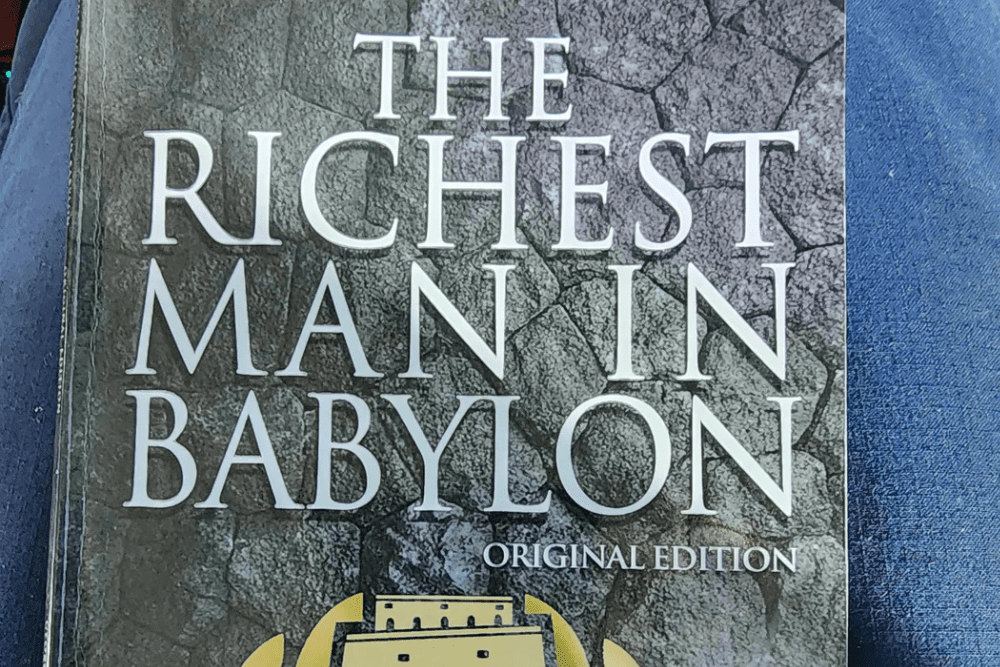
Travel back to ancient Mesopotamia where financial wisdom feels more like a fable than lecture. Rather than drowning you in modern investment strategies or retirement account options, Clason delivers universal truths like “pay yourself first” and “make your money work for you.” The writing style feels almost biblical in its simplicity and rhythm, making it perfect for lazy Sunday afternoons or bedtime reading.
6. I Will Teach You to Be Rich by Ramit Sethi
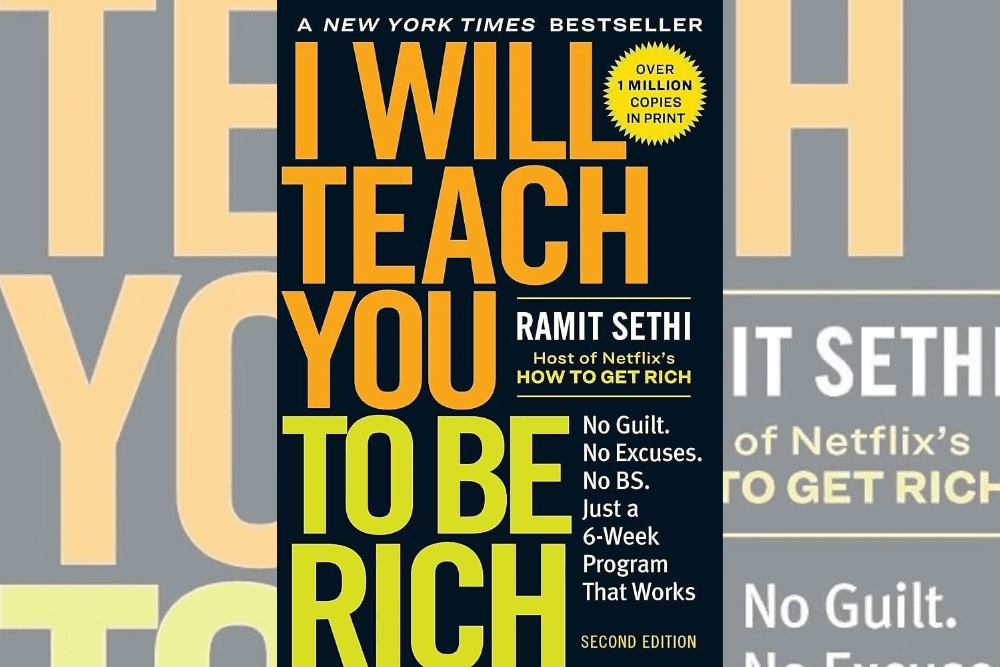
Despite the somewhat aggressive title, this book reads like getting money advice from your funniest, most practical friend who happens to be brilliant with finances. The book breaks down into a six-week program covering saving, banking, budgeting, and investing. He introduces concepts like “conscious spending,” acknowledging that life should be enjoyed while you’re building wealth.
5. The Psychology of Money by Morgan Housel
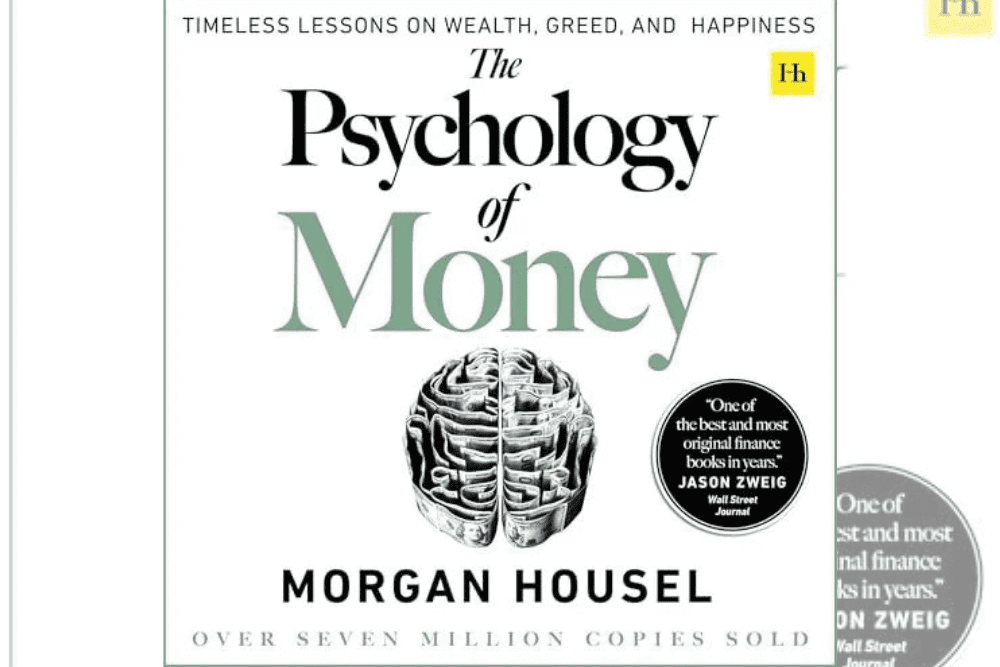
This book consistently tops bestseller lists because it recognizes something revolutionary: managing money isn’t only a numbers game but a psychological one. Instead of prescribing investment strategies or budgeting techniques, Housel examines why we make the money choices we do, using real-life examples and engaging narratives.
4. Die With Zero by Bill Perkins
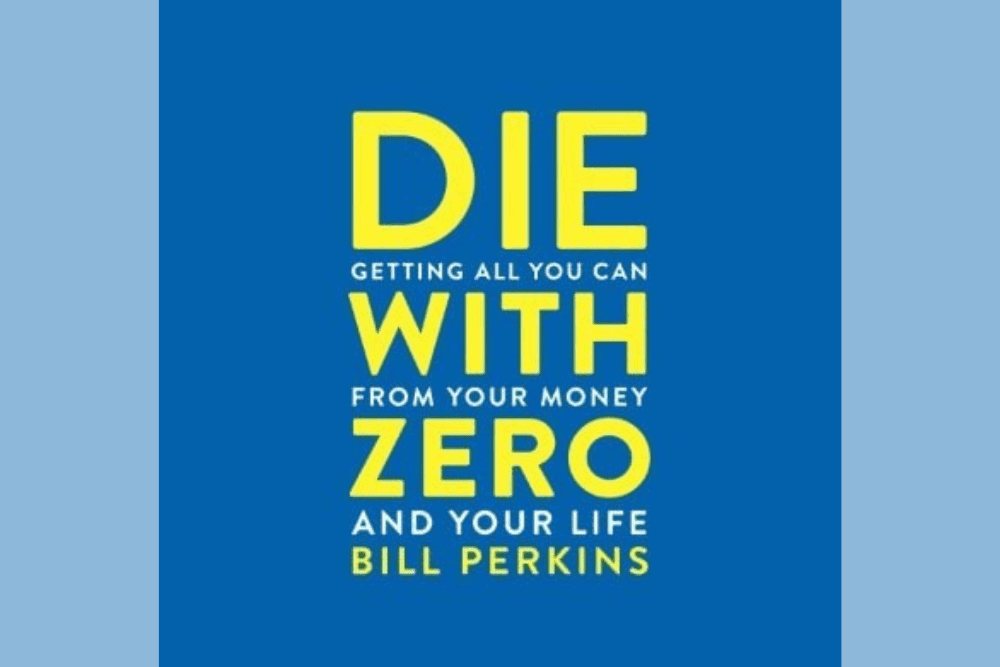
Perkins argues that we’ve got saving and spending completely backwards. According to him, we should aim to die with zero dollars, having spent our money on experiences and memories throughout life instead of hoarding it for some mythical future. The book challenges the delayed gratification culture that dominates personal finance, offering permission to enjoy your money while you’re healthy enough to do so.
3. The Big Short by Michael Lewis
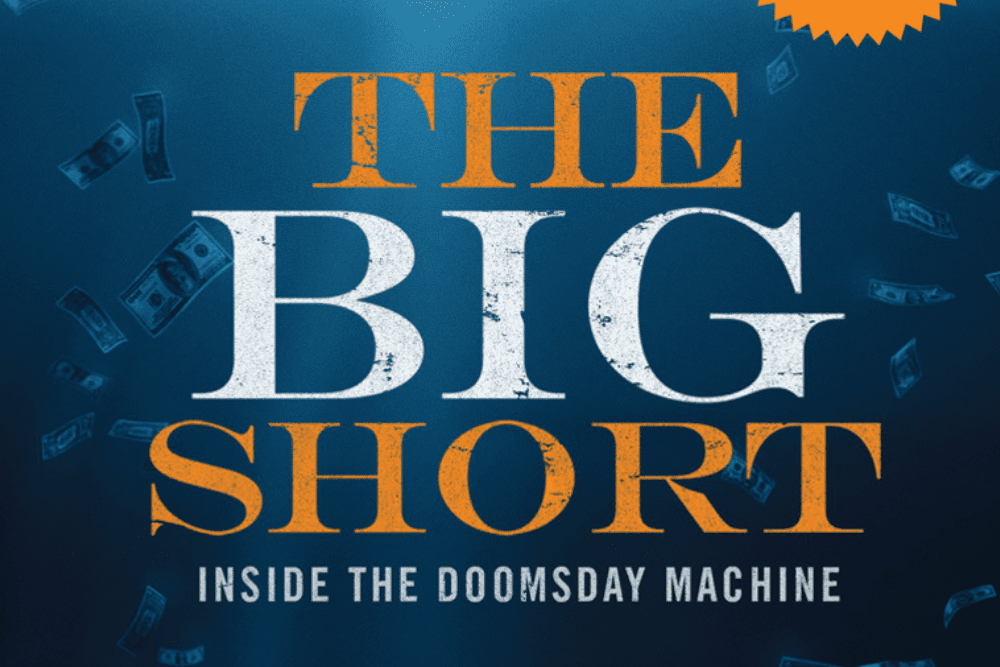
Prepare for some good thriller. Lewis introduces you to characters like Michael Burry, the one-eyed neurologist-turned-hedge fund manager who predicted the crash, and follows their journey as they navigate a world that thinks they’re crazy. While technically about high finance and economic disaster, the book focuses on human stories and bizarre personalities, making it accessible even if you don’t know the difference between stocks and bonds.
2. Barbarians at the Gate by Bryan Burrough and John Helyar
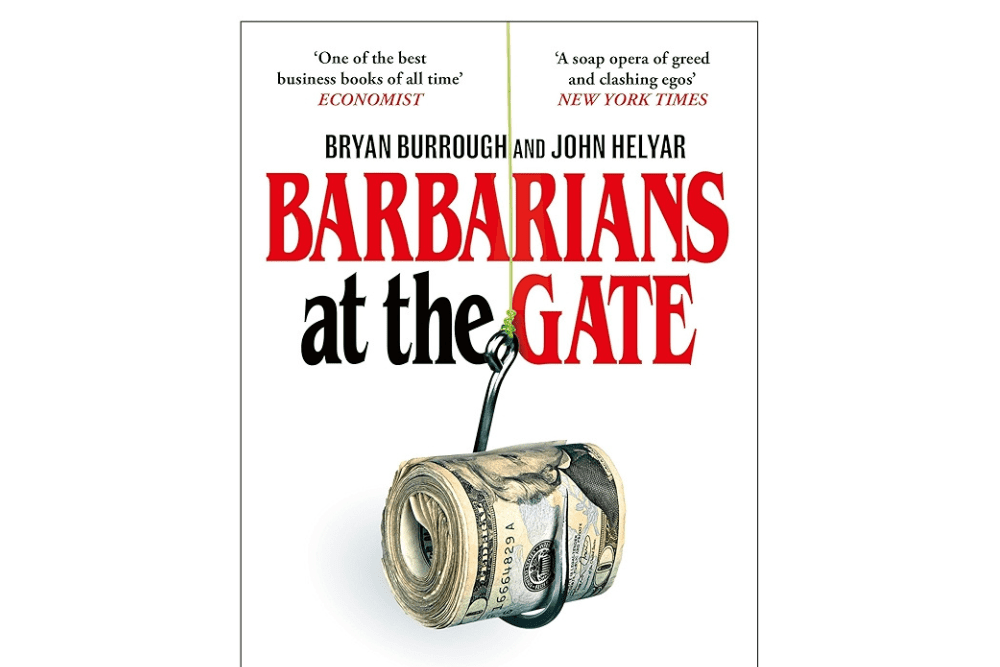
This account of the 1980s leveraged buyout battle for RJR Nabisco reads more like a corporate soap opera than a finance book. What makes this such a cozy read despite its high-stakes subject is the storytelling that transforms balance sheets and leveraged buyouts into a page-turning drama complete with heroes, villains, and plot twists. You don’t need to understand corporate finance to get swept up in the narrative; the authors explain everything through context and character actions.
1. You Don’t Need a Budget by Dana Miranda
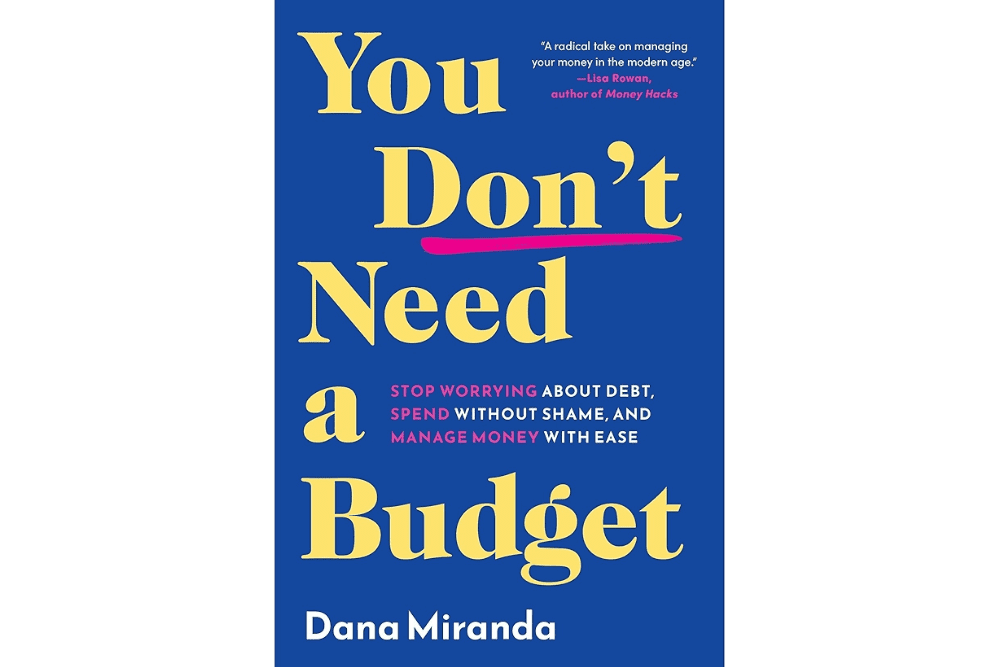
Finally, a finance book that highlights the reality of modern life instead of suggesting you track every coffee purchase in a spreadsheet. Miranda, a Certified Educator in Personal Finance, tells us that traditional budgets don’t work for most people, and that’s okay. Miranda addresses the reality that many people struggle financially not because they’re irresponsible but because wages haven’t kept up with living costs. The book acknowledges systemic issues that many finance books ignore.