
The traditional financial advice handed up to us by our parents follows a predictable pattern. Yup, it goes as investing for the long term or not touching your retirement savings. But sometimes, effective money strategies are those that will make conventional advisors cringe. Well, here are the 8 money habits that work surprisingly well for the right people, given the right situations.
8. Turning Extra Income Streams Directly to Debt

You may want to add to your monthly payments by using those extra income funds to pay for your debt. While you’ve accepted extra work to save up for your future, you might want to put those extra dollars to eliminate or at least lower debt for financial freedom instead. And once you’re debt-free, then you can put that side income into investments without interest payments or maybe into your savings account.
7. Using the 24-Hour Rule on Everything

Yup, that includes the good deals. First of all, they were unplanned purchases, so a 24-hour rule will help you pause and decide whether you really want it. If you’ve decided that you’ll put the item to good use, then that’s the time to purchase the goods if they’re still under the good deals section. The money you get to save for an impulse buy will benefit your savings.
6. Budgeting for “Fun Money” When You’re in Debt

This may be a red flag to some, but it can actually avoid spending so much in the long run. You see, when people have less to spend then they get tempted to cut out everything extra. Once you’ve covered all your monthly payment responsibilities, then that’s the time for you to have fun with your hard-earned money. Spend it guilt-free without having to worry about paying a ton of interest or adding to next month’s debt. The key is to make sure that you have extra money to spend on your wants.
5. Making Biweekly Payments Instead of Monthly Ones
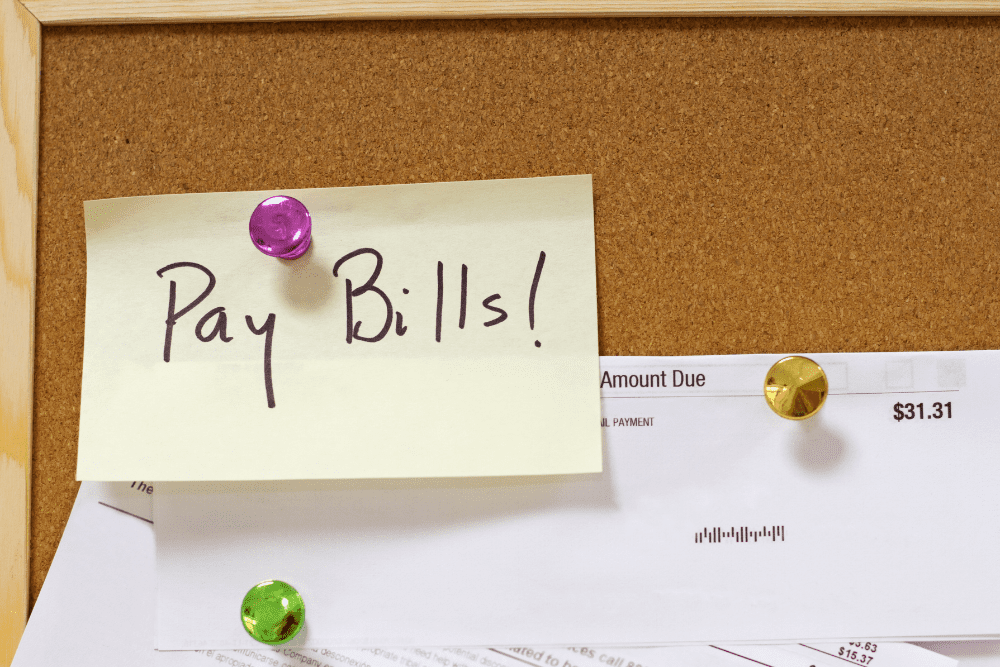
You can keep your monthly mortgage payment the same, but make two half payments each month. The best part? You’ll get to reduce the total amount you can pay over the life of the loans. That’s bi-weekly payments for you, where you can pay off your mortgage in 24-1/2 years instead of 30. This simple switch gets you paying extra principal each year without feeling like paying heavily each month.
4. Enforcing Regular “No-Spend Days”
One practice you can do to keep the costs down is to try out the No Spend Day every week on the day that’s most convenient for you. It means you won’t get to use your cash, debit, or credit cards for a day. You just rely on everything that you have at home to get through the day. With this, you’ll be shocked to know how easily you throw money on one single meal.
3. Tackling Low-Interest Debt First

We all know the trick of paying high-interest debt first, but try to shake things up with the snowball method. It’s when you pay off debt with the lowest balance, then work your way to pay off the next lowest. It provides smaller wins to decrease the number of payments to keep you committed to paying your debts.
2. Paying Off Your Mortgage Aggressively Instead of Investing

Some people practice leveraging a mortgage rather than eliminating it. Instead, try adding a little more to your mortgage payment with an extra 1/12th of the month’s principal and interest. The result? You get to pay your 30-year mortgage 3 years and 7 months early while saving on interest charges. This trick comes with the benefit of peace of mind.
1. Using Cash for Everything

Swiping your credit card is easier as you don’t have to hand in money at all. Meanwhile, handing cash or your debit card feels heavier as you’re stretching out the money that you actually have. While many preach the benefits that come with a credit card rewards program, your cash-only rule will definitely reduce spending.