
Special effects aren’t always manmade. Across the globe, there are extraordinary phenomena happening that are too strange to be real. Still, they occur due to a combination of geological, biological, and physical factors. Now, if you plan to travel to watch nature’s most hidden wonders, here are the 8 places you can head to.
8. Northern Lights – Norway, Iceland, Canada, and Alaska
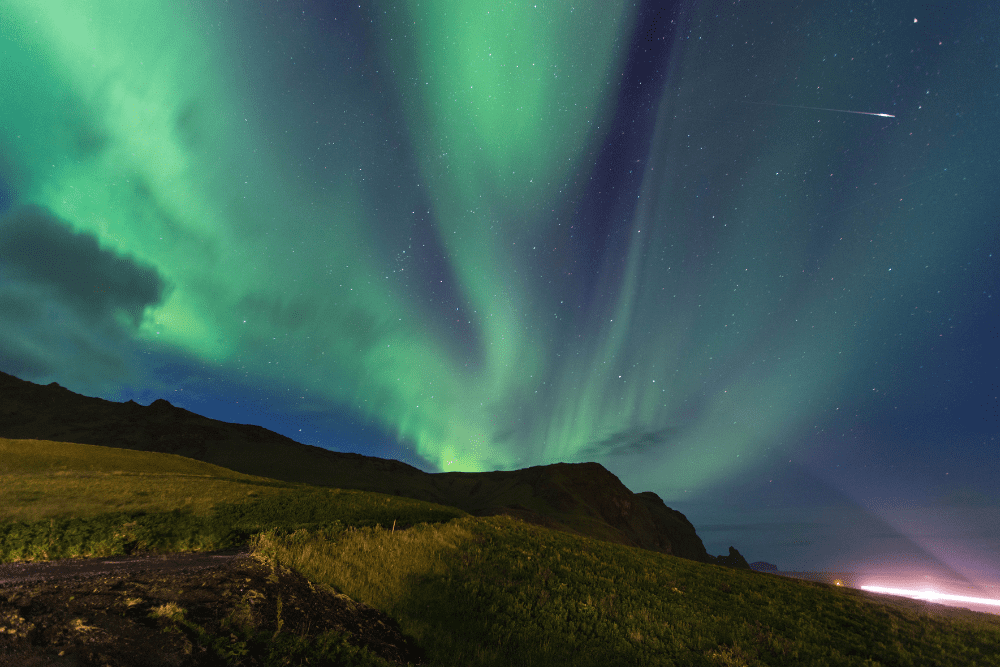
The aurora borealis remains one of the most well-known and breathtaking displays of nature. Through the charged particles from the sun, it collides with the gases of the Earth’s atmosphere. This results in the dancing colors of green, pink, purple, and red light. This Northern Lights phenomenon occurs when darkness prevails during the cold winter months.
7. Bioluminescent Bay – Vieques, Puerto Rico
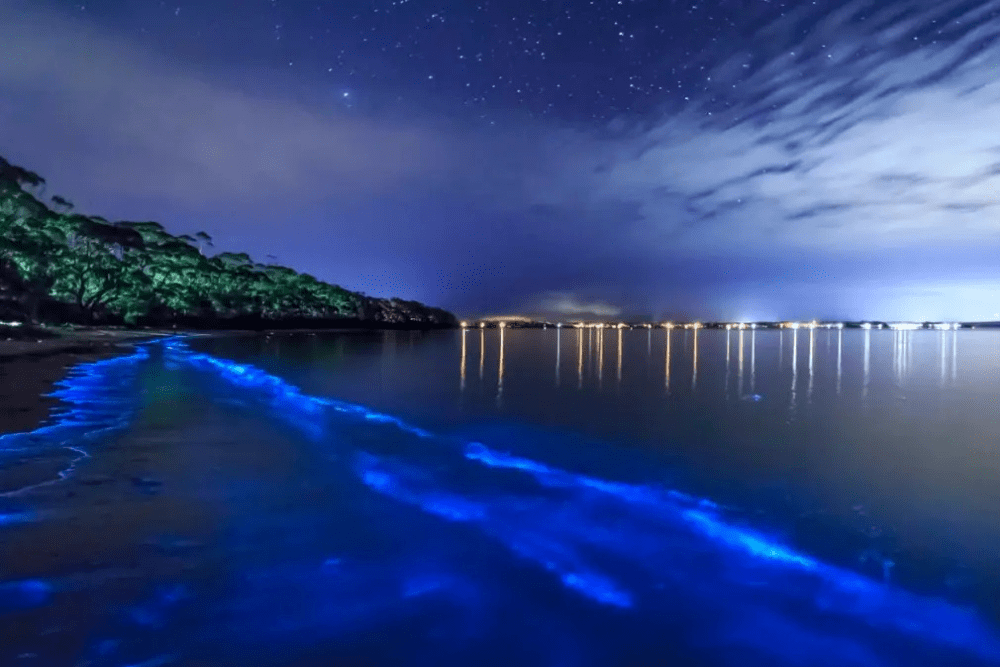
Did you know that Mosquito Bay glows a vibrant electric blue when disturbed? This occurs when the microscopic dinoflagellates emit light in response to agitation. You can kayak in these waters at night to see what it holds. The concentration in here is among the highest in the world, creating a bright bioluminescent bay.
6. Sailing Stones – Death Valley, California
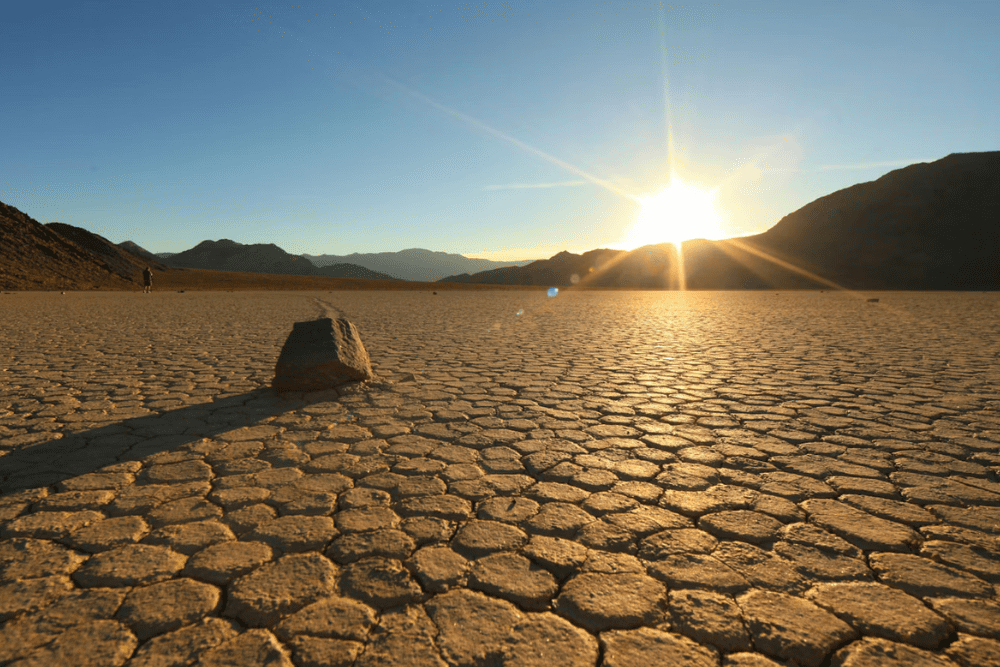
Located in a remote dry lakebed called Racetrack Playa are these massive rocks that mysteriously move across the floor. This leaves long tracks behind them. It was eventually discovered that the rare combo of ice formation, wind, and water created good conditions for them. That’s the ice sheets that form overnight and the strong winds that push them across the muddy surface.
5. Great Blue Hole – Belize

You may have seen this circular sinkhole on the internet. It’s fascinating since it’s right in the middle of the Caribbean Sea, which plunges to over 400 feet deep. It was formed during the ice ages, back when sea levels were much lower. This is actually a collapsed limestone cave system where divers found massive stalactites that are frozen in time.
4. Monarch Butterfly Migration – Michoacán, Mexico
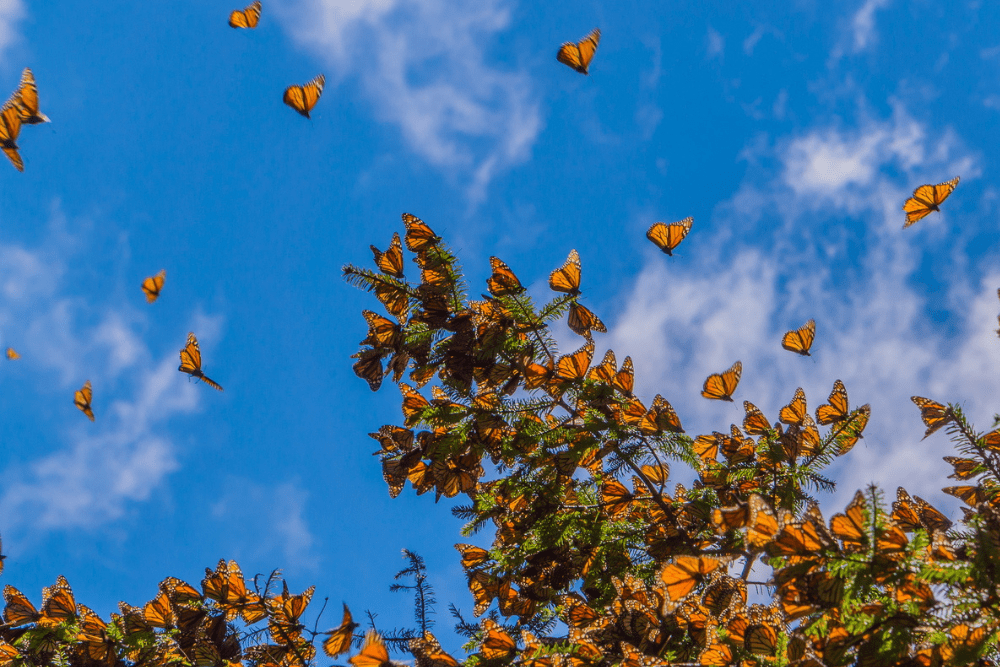
Love butterflies? Head over to Michoacán, Mexico, where millions of monarch butterflies travel up to 3,000 miles annually. They travel from North America to a few mountainous forests in central Mexico. What makes it extraordinary is that no butterfly makes the round trip, and it actually takes three to four generations for them to complete a full migration cycle.
3. Blood Falls – Antarctica
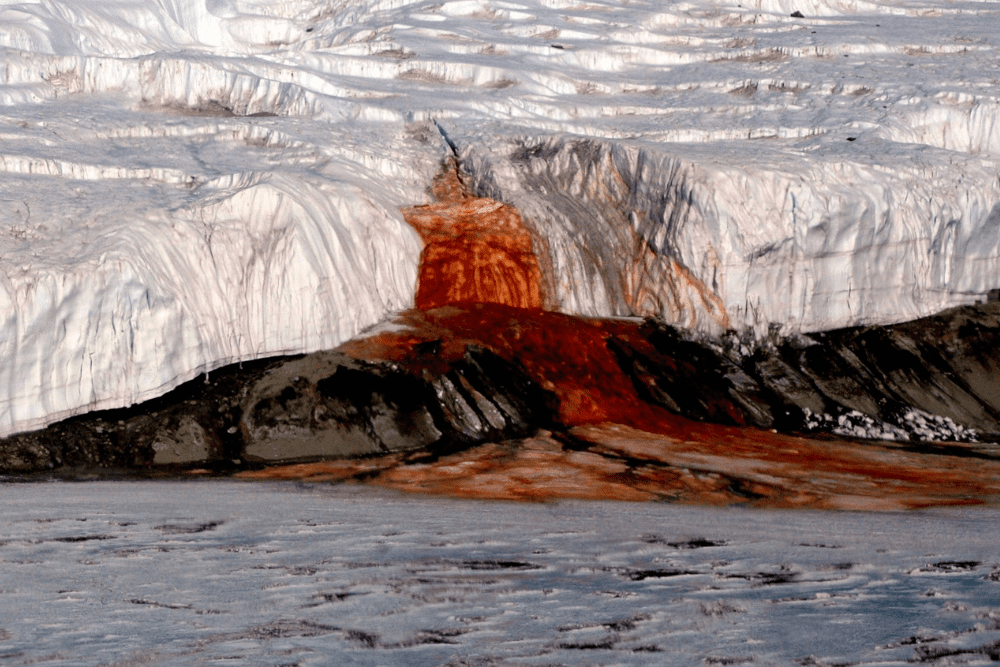
From a glacier in one of the driest and coldest places on Earth, there’s a strange phenomenon happening. There flows what appears to be blood or a bright red waterfall in white ice. Its crimson color somes from its iron-rich saltwater. When it seeps out and comes into contact with oxygen, the iron oxidizes, creating a blood-red color. The water is so salty that it doesn’t freeze.
2. Morning Glory Clouds – Gulf of Carpentaria, Australia
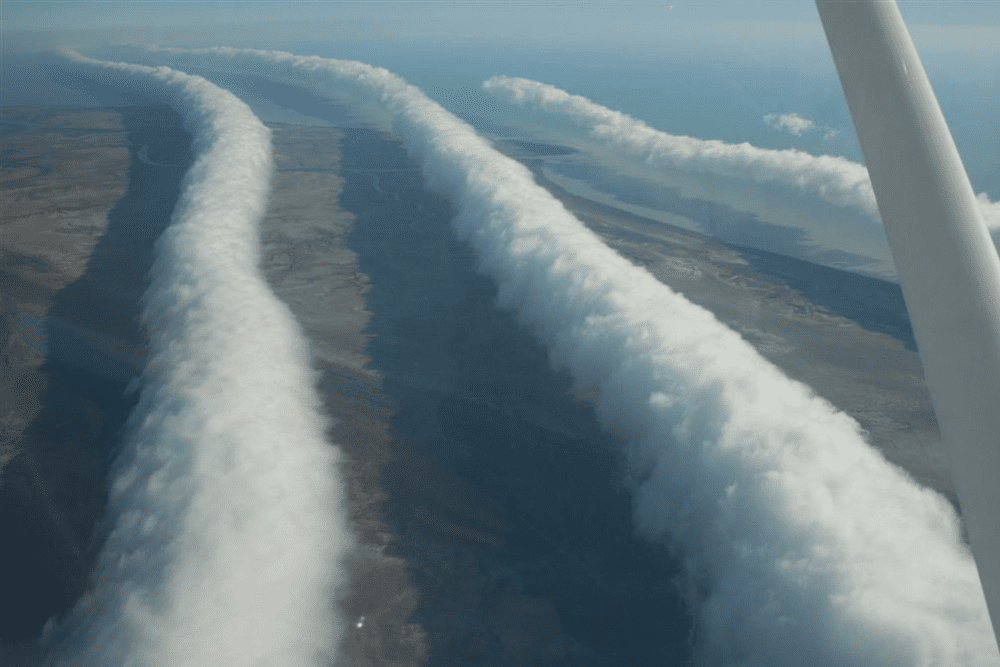
These Morning Glory Clouds are rare, rolling tube-shaped clouds that stretch for up to 600 miles. It also moves at speeds of 35 miles per hour across the sky. They appear over northern Australia between September and October. Even pilots check them out for their gliding opportunities, just like surfers when they catch waves.
1. Spotted Lake – British Columbia, Canada
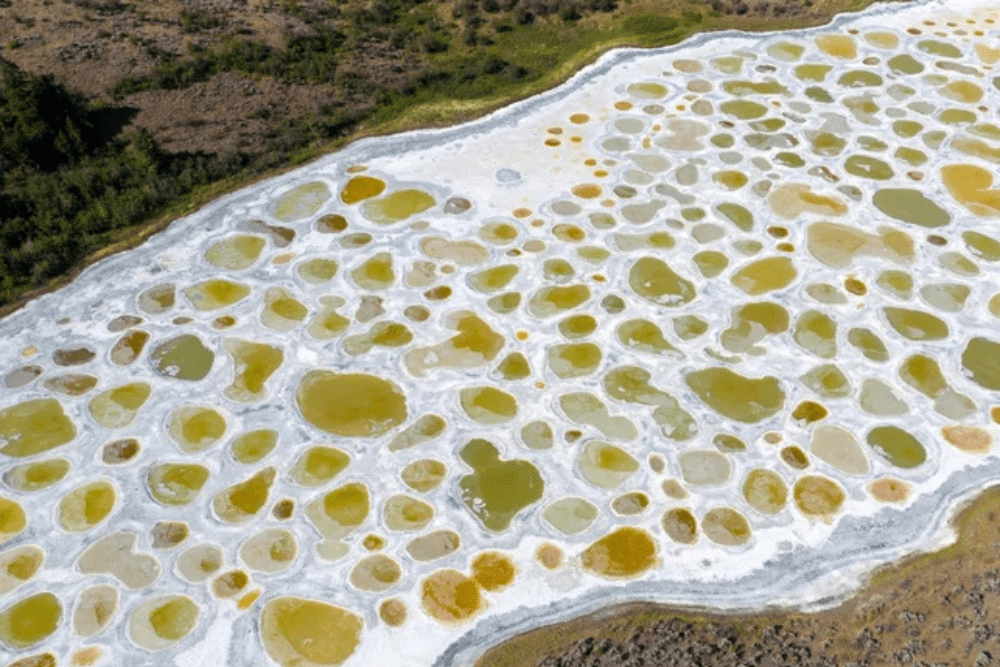
During summer, this mineral-rich lake actually evaporates, resulting in colorful pools. They’re separated by hardened mineral deposits that look like polka dots. The spots also change in color throughout the season, depending on which minerals will dominate each pool. What’s fascinating is that they bear the highest concentrations of minerals like calcium, sodium sulphates, and magnesium sulphate.