
Before a single rug is unrolled or a sofa gets pushed, interior designers have a pre-arranging checklist that ensures every piece has purpose and harmony. Here are eight things designers do to take one room from “looking fine” to “looking incredible.”
8. They Create a Detailed Mood Board
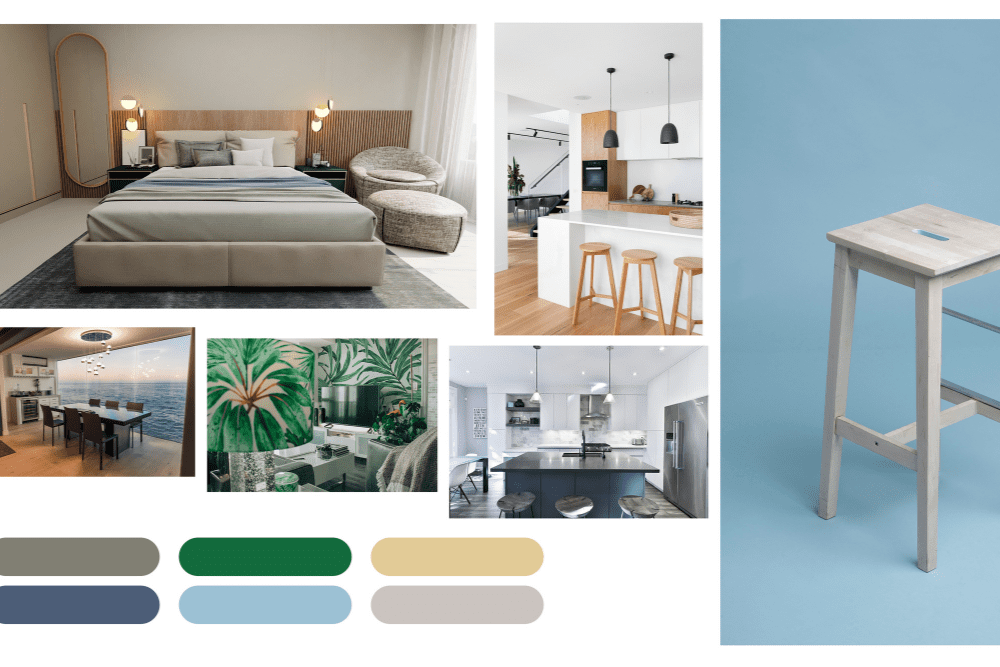
Before a paint color is chosen or a single dollar is spent, designers create a mood board, which is a tool for visualizing the entire project. By laying out all the design elements in one place, it’s easy to spot what works and what doesn’t. If a fabric swatch clashes with a wood finish on the board, it definitely won’t work in the actual space.
7. They Secretly Analyze Your Lifestyle

A designer’s first meeting with you is more than just a friendly chat. It’s a deep dive into your daily life. They might ask if you love to cook, if you have kids, or if you’re a cocktail enthusiast. Remember: a designer’s goal is to create a space that’s functional for the people living in it. The information they get will help them design a home that not only looks stunning but truly works for your specific lifestyle.
6. They Map Out Traffic Flow
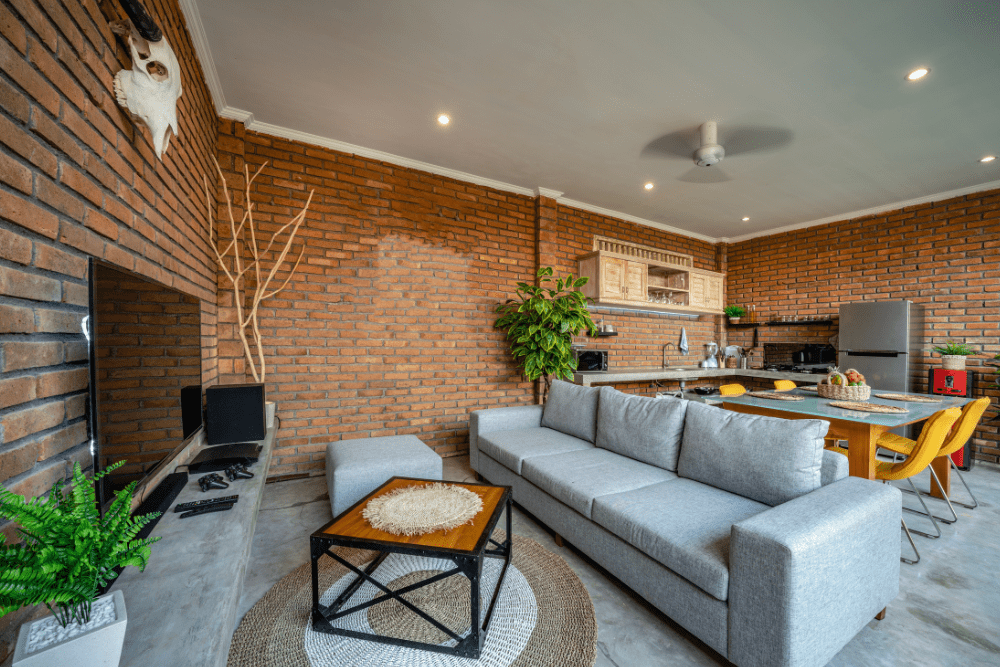
Ever been in a room where it feels awkward to move through? That’s a sign of poor traffic flow. Interior designers treat circulation paths as a crucial element of design, carefully planning how people will move through a space. They identify primary routes (main thoroughfares) and secondary routes (less-used paths) to ensure movement is free of bottlenecks. The work also involves thoughtful placement of doors and the strategic use of furniture to define zones without creating obstacles.
5. They Find the Room’s Focal Point

The focal point is the first thing your eyes land on when you enter a room. It could be a large piece of art or a window with a stunning view. Designers always identify this feature early on because the entire room’s layout will be arranged around it. If the room doesn’t have a natural focal point, they create one. This would prevent the room from feeling scattered and gives the eye a place to rest before taking in the rest of the decor.
4. They Track Natural Light
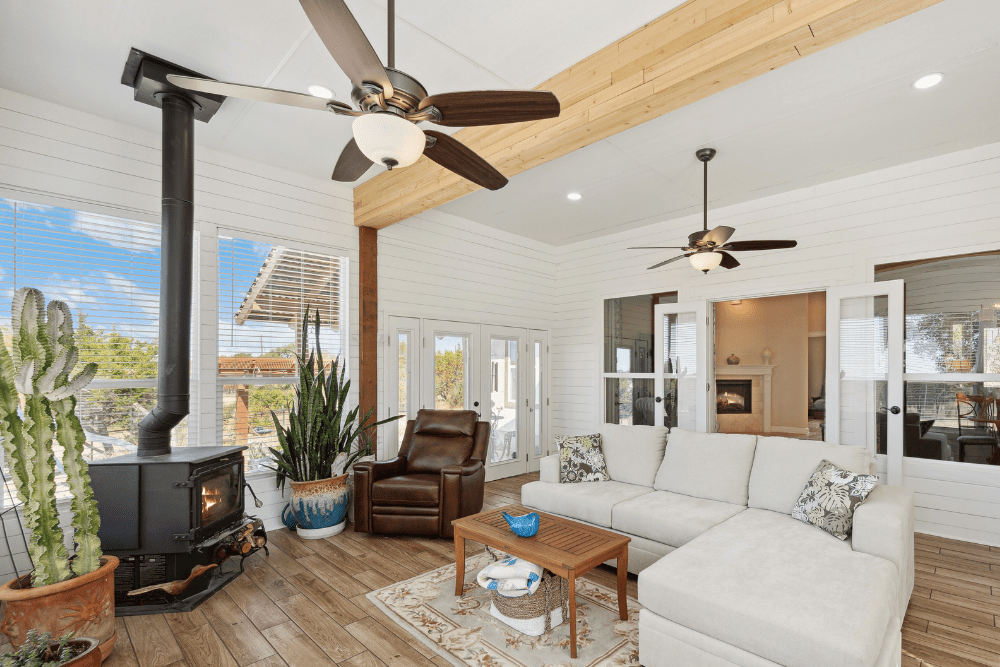
Natural light is one of the most powerful elements in interior design. Before making any decisions, a designer will spend time in a space observing how the light changes throughout the day. This knowledge can influence everything from the color palette to the furniture layout. For instance, a room with intense afternoon sun might need lighter wall colors to keep it from feeling too hot.
3. They Take an Inventory of What You Already Own

While it’s exciting to think about buying new furniture, a great designer knows how to work with what you already have. Before planning a new layout, they will take into account your existing furniture, decor, and artwork. This work is about creating a space that feels authentic and tells your story. By integrating meaningful items from your life, designers create rooms that feel personal, not just a generic showroom.
2. They Master the Art of Scale and Proportion
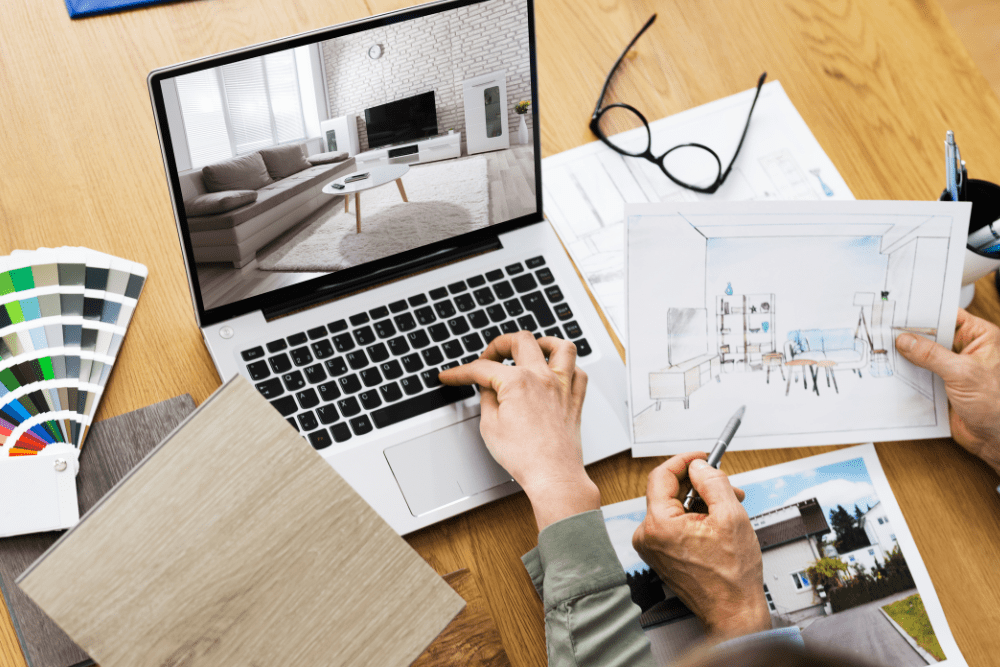
Professional designers have mastered scale (the size of an object in relation to the room) and proportion (the size of objects in relation to each other). So before they think about furniture placement, they consider the room’s dimensions (length, width, and ceiling height). A common mistake is choosing a piece of furniture that’s too large or too small for the space. The mastery of scale and proportion is one of the keys to a room that feels so balanced and harmonious.
1. They Meticulously Measure and Draw the Space
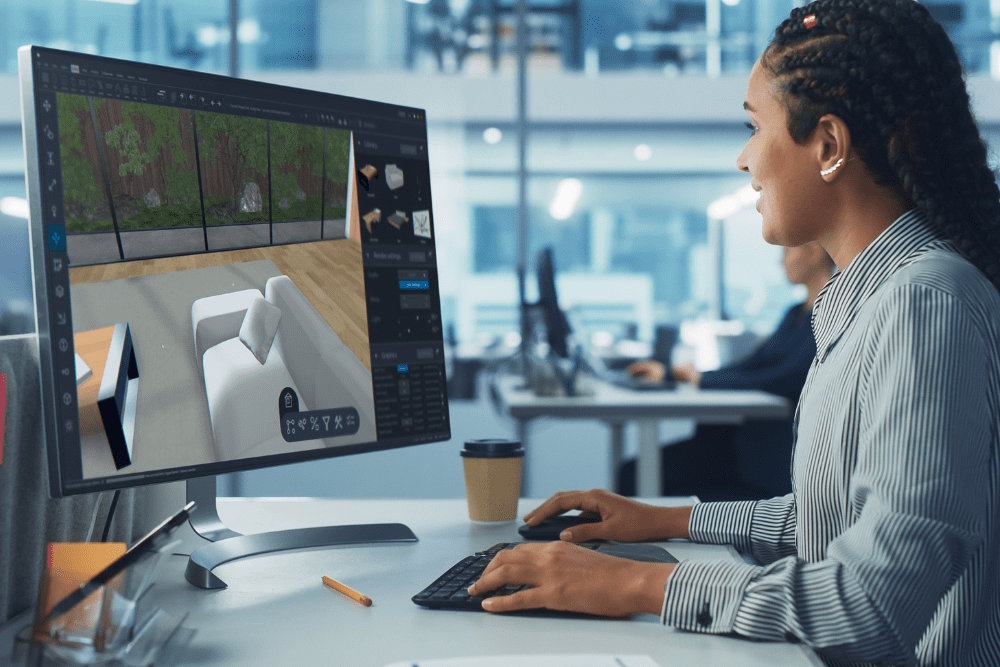
This might seem obvious, but designers don’t just measure the length and width of the room. They measure everything: the height of the ceilings, the size of doors and windows, even the location of every electrical outlet and air vent. They create a detailed floor plan that will help them avoid costly mistakes down the line. Imagine buying the perfect media cabinet only to find it blocks a crucial outlet. That’s the kind of mistake a designer can help you avoid.