
Buying your first home is one of the most exciting milestones in life. But also expect that it’s one of the most financially surprising. While you may have budgeted the down payment and monthly mortgages, there are other expenses you may not know of. With that, here are the 10 hidden costs that shock first-time homebuyers. This is your opportunity to expand those savings.
9. Utility Setup Fees and Higher Bills
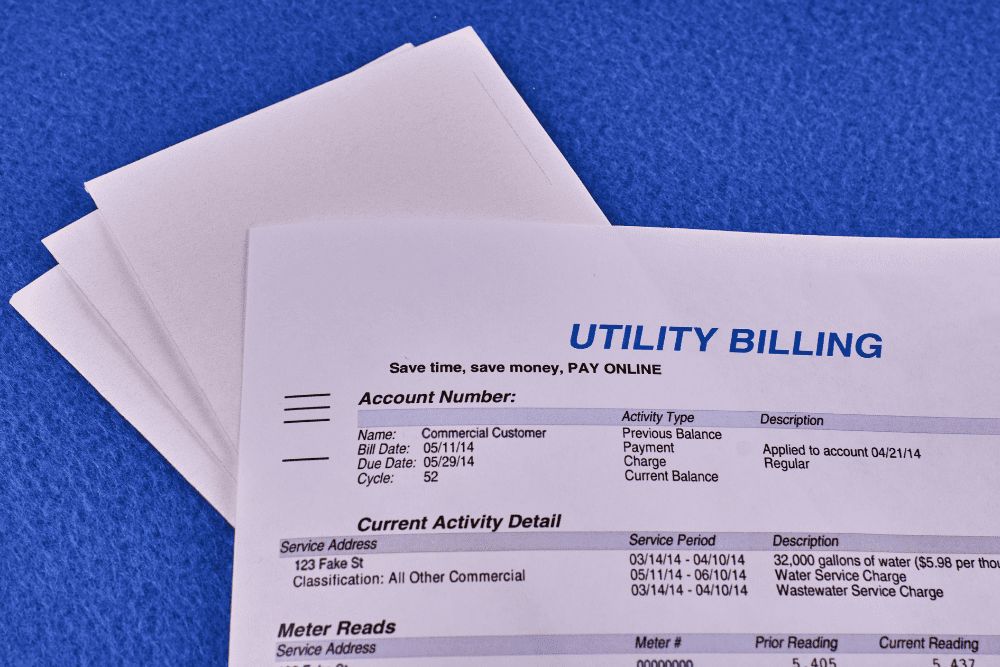
To get the utility services going at your new home, you need to pay an upfront installation fee. While it’s just small enough to be added to your first month of utility bill, it’s still an extra cost to prepare. Expect it to be higher than what you paid for in an apartment. Many new homeowners experience shock with the first few utility bills because of water bills that increase if you install a sprinkler.
8. Lawn and Landscape Maintenance

You’ll need the equipment or hire someone to trim the lawn for you, so be prepared for bi-weekly landscape bills. The average cost of mowing or maintaining a lawn is $450, which doesn’t include landscaping and caring for trees. But if you live in a place where snow is regular, then you’ll either choose to DIY or hire someone.
7. HOA Fees and Special Assessments

If you’ve bought your home in a planned community or a condo, then it will probably include the homeowners’ association fees and some unexpected assessments with HOAs. It will cover expenses related to maintaining your community’s common areas and services. It’s a monthly fee on top of your mortgage payment. Before purchasing your home, it’s important to review HOA rules.
6. Emergency Repairs
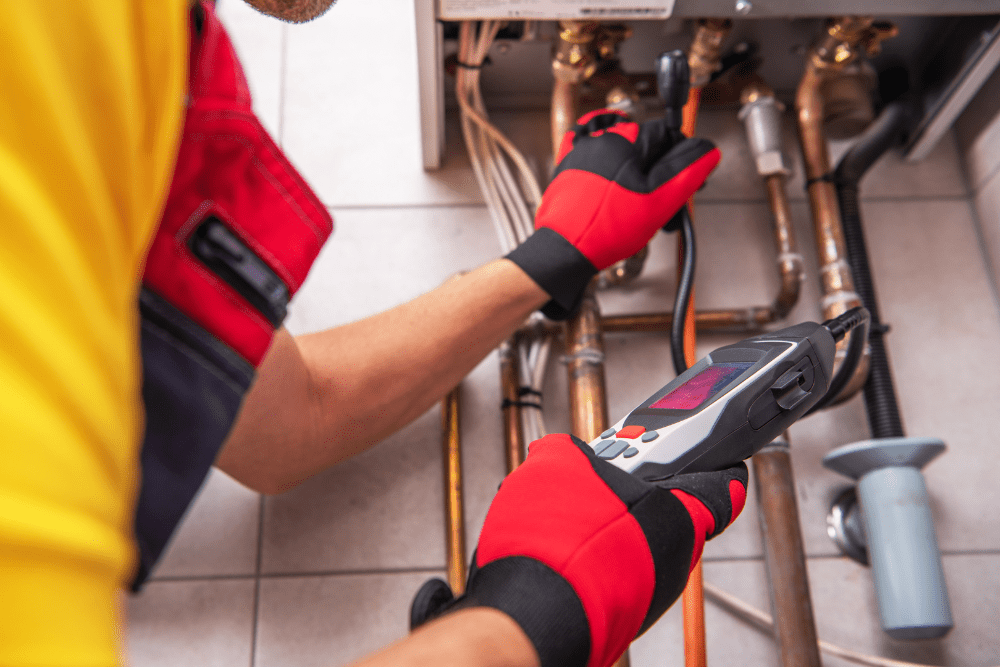
Expect things to break when you first move in, so you’ll need some funds to cover the repairs. Some common emergency repairs are burst, broken, or clogged pipes that will probably cost between $150 and $5,000. There’s also some roof and water damage that will show along the way. Set aside at least three to six months of home-related expenses for the repairs.
5. Ongoing Home Maintenance
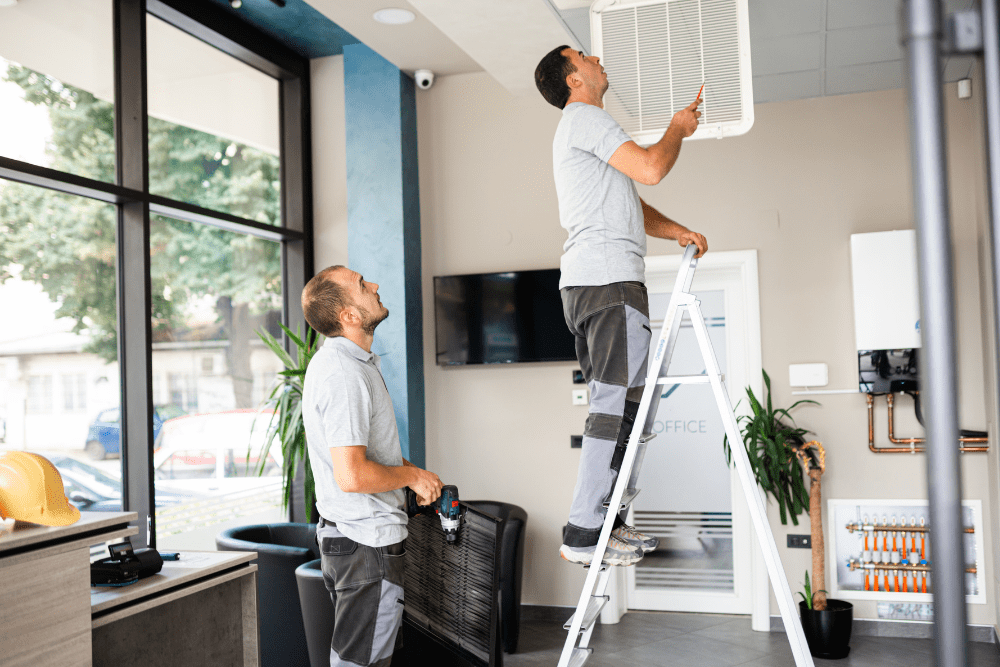
Home maintenance includes routine HVAC checkups and yard care, which can help avoid those expensive repairs in the future. Keep a budget between 3% and 5% of your home’s value annually to dedicate to maintenance. That’s around $500 per month on average. New homeowners tend to underestimate costs as they assume that their home looks fine.
4. Moving Costs

Budget $500 to $800 for a truck rental that packs supplies and gas, but of course, it will depend on the distance and size. Rates increase if you choose a larger truck and you’re destination is located in another state. But if you hire professional movers, then expect to pay $80 to $100 per hour for basic moving services. Don’t forget those additional expenses like the boxes, packing tape, and bubble wrap as you go.
3. Property Taxes

Property taxes are one of the biggest costs of owning a home. The price varies depending on the place you live. Your property tax is an ongoing expense that you should include in your budget. You will need to pay for six months of taxes before you can close the sale of your home. But what surprises buyers is when property taxes increase over time, especially after closing a sale. You may also need to pay school taxes to help finance the local public schools, but this will depend on where you live.
2. Homeowners Insurance and PMI

Another hidden cost is the homeowners’ insurance, which mortgage lenders require. But the cost will vary depending on your location and the size of your home. If your total equity and gain in appreciation, combined with the total paid towards the principal, exceed 20%, then you can have PMI removed from your monthly payment immediately. Note that the sooner a buyer can eliminate PMI, the better, since it’s an unnecessary expense that won’t benefit you.
1. Closing Costs
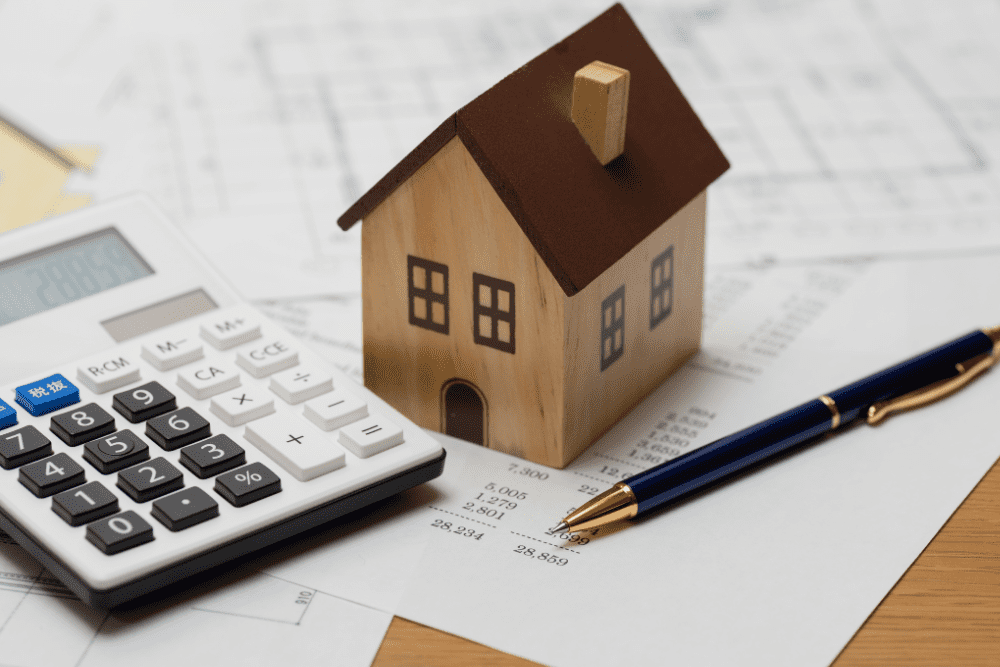
Expect the closing cost that range from 2% to 5% of the home’s purchase price. These fees will cover services and taxes that are associated with finalizing the mortgage. Many first-time buyers assume that they only need a down payment, but these additional fees will derail your purchase if you’re not prepared.