
Believe it or not, your home may be contributing to that depressive feeling. Since we spend a significant portion of our lifetime in our homes, we can inhabit the vibe that our home brings in. Understanding this may bring light to that depressive feeling you get at home. Here are the 9 signs that your home is making you feel depressed.
9. You Feel Unsafe or Constantly Stressed in Your Space

Feeling unsafe in your own space may be due to a lack of safety and privacy that you can feel. Even certain locations can bring in noise pollution, as you feel exposed to passersby, which leaves you in a state of alert. Try upgrading your home by installing outdoor lighting and updating locks on windows and doors. You can also add a curtain and drape installation for safety and privacy.
8. You Avoid Spending Time at Home

The clearest sign that your home is depressing is when you find yourself avoiding it. You often stay late at work or run unnecessary errands just to avoid spending long hours at your place. That’s your subconscious telling you that your home is not good for your well-being. It might not be the structure itself, but the environment or the people that bring you negative feelings. Be honest about the real problem, why, and consider getting professional help.
7. Your Home Layout Feels Oppressive
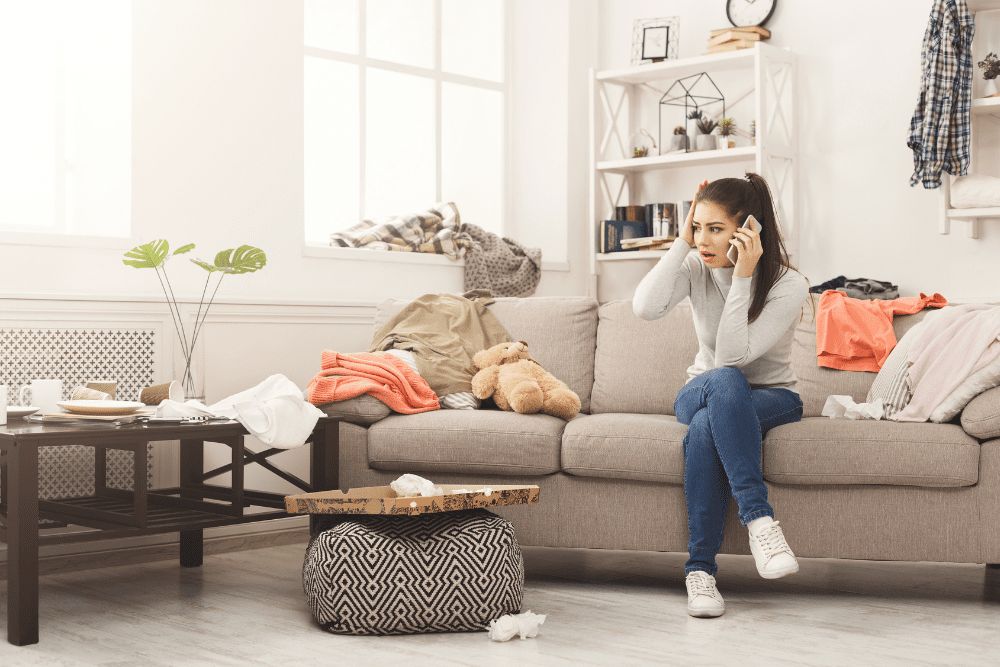
Yup, rearranging your home can influence your feelings about your house. Spaces that are cluttered or disorganized might bring you that negative feeling, which creates chaos mentally. With that, consider the flow of your rooms by matching it to your daily routine. Arrange the furniture and, as much as possible, optimize the space for a more positive feeling. Don’t make your rooms cramped or illogical.
6. Colors and Design Create a Depressing Atmosphere
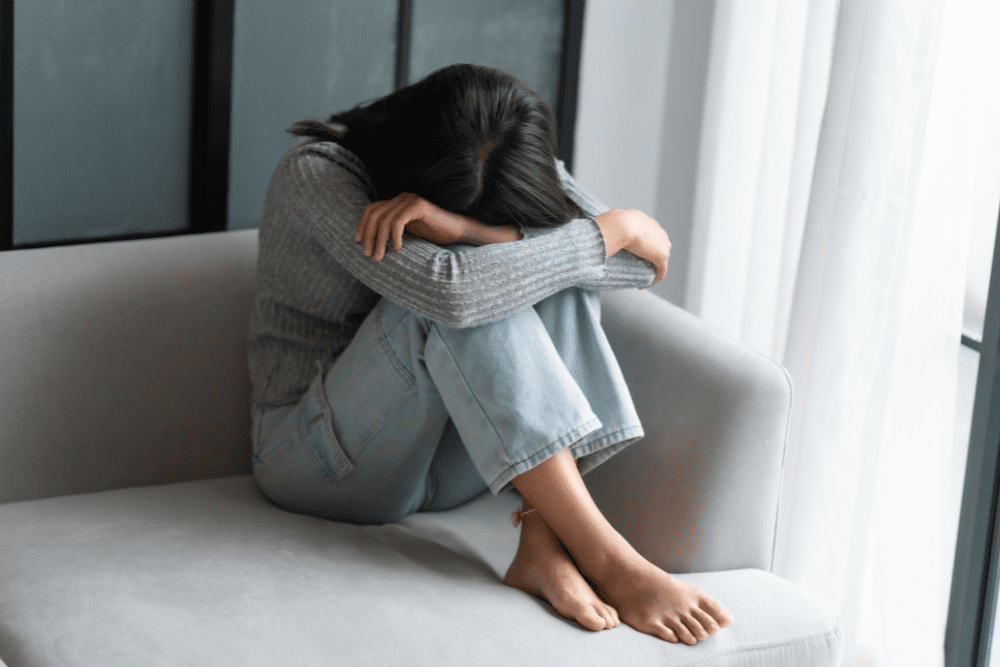
From the moment you walk in, you can already feel the energy in the house. You see, colors and lighting are powerful mood influencers. Through the right palette, you’ll be able to energize the colors of your room. But dark walls and outdated furnishings with a color scheme that doesn’t match feel oppressive. Learn about color psychology and choose hues that give a sense of calm and happiness.
5. Poor Air Quality

Yup, even factors like poor air quality can negatively impact your mood. You wouldn’t want odors in your room, right? It’s affecting more than your nose, as it also impacts the brain. We’re also talking about the mold, dust, and pet danger that contribute to a lack of proper ventilation. With that, make it a habit to clean your house and get yourself a vacuum cleaner to remove all that unwanted dirt lurking in the air.
4. Your Space Lacks Personal Touches
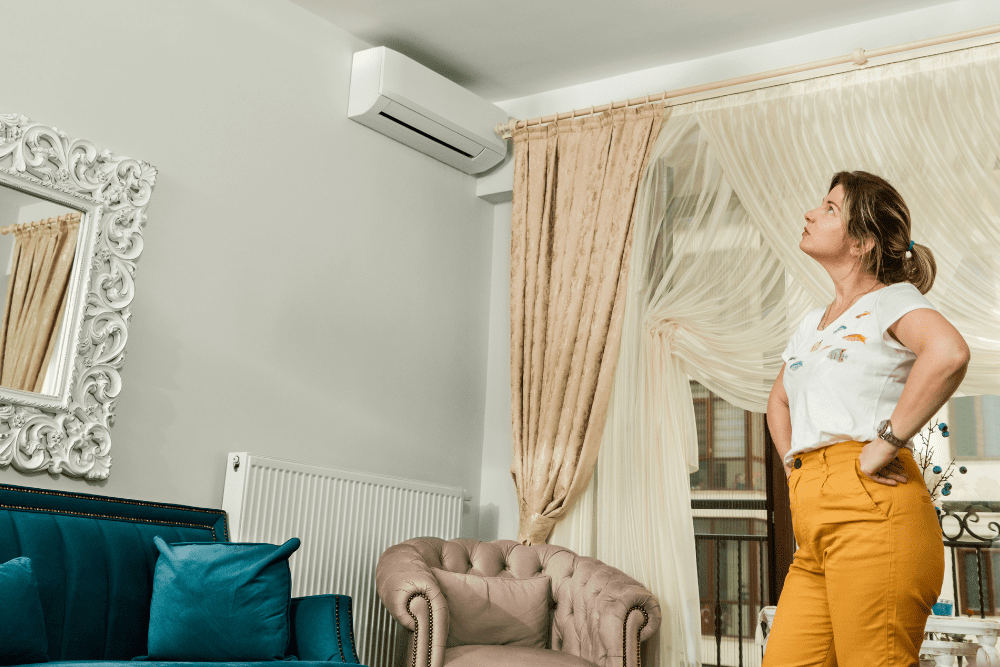
If you feel like your home isn’t yours, then that can impact happiness. Make sure to add your personal touch to your space through photos, artworks, or colors that you want. If you’re not that great at design and want a space that’s your style, but pleasing to the eye, try hiring an interior designer. Remember, the disconnect between your environment and sense of self will eventually lead to emptiness.
3. You Have No Access to Nature or Greenery
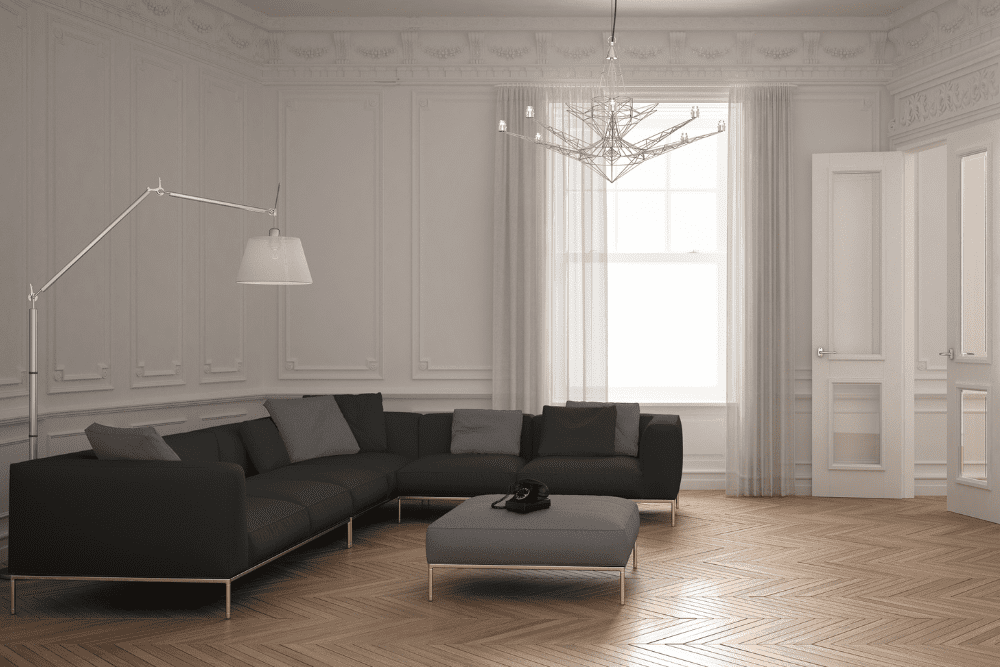
There’s always a connection between nature and humans, so living in a place with no nature or greenery will make you feel disconnected and low on energy. Make sure to add natural elements to your space through plants. But they’re more than just for aesthetics, as they also cleanse the air and reduce your stress from staring at the screen all day.
2. Everything Feels Cluttered and Chaotic
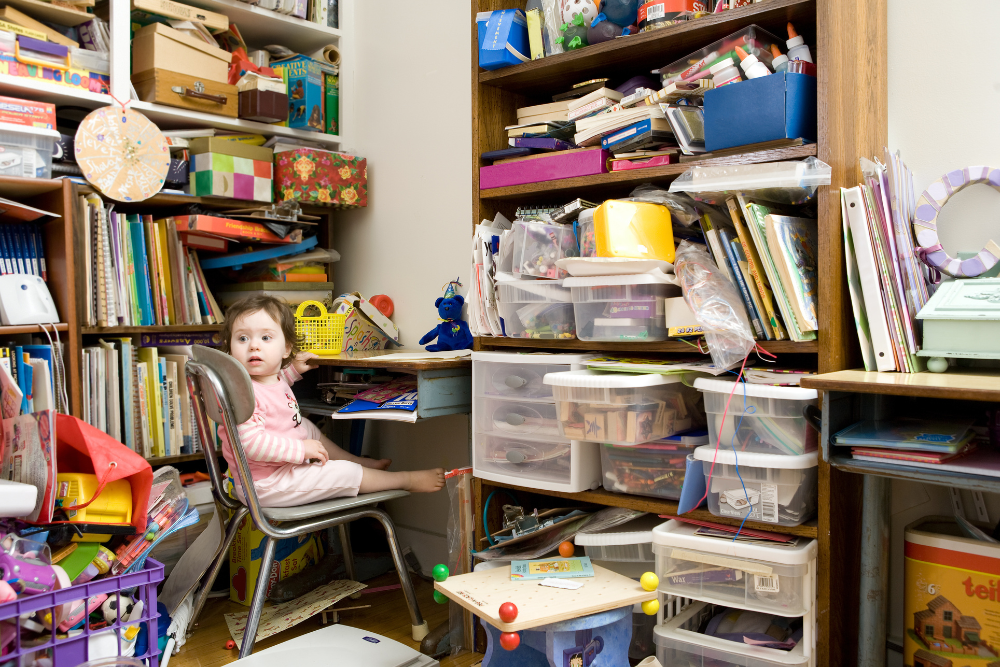
There will always be a link between messy living conditions and depression. You see, depression or anxiety can lead to a cluttered home, which leads to even more anxiety and depression. But what’s dangerous is that the disorganization of families would have a bad outcome for their children. When everywhere you look is covered with stuff, your mind won’t get a break from processing visual information, which calls for mental exhaustion.
1. Your Home Lacks Natural Light
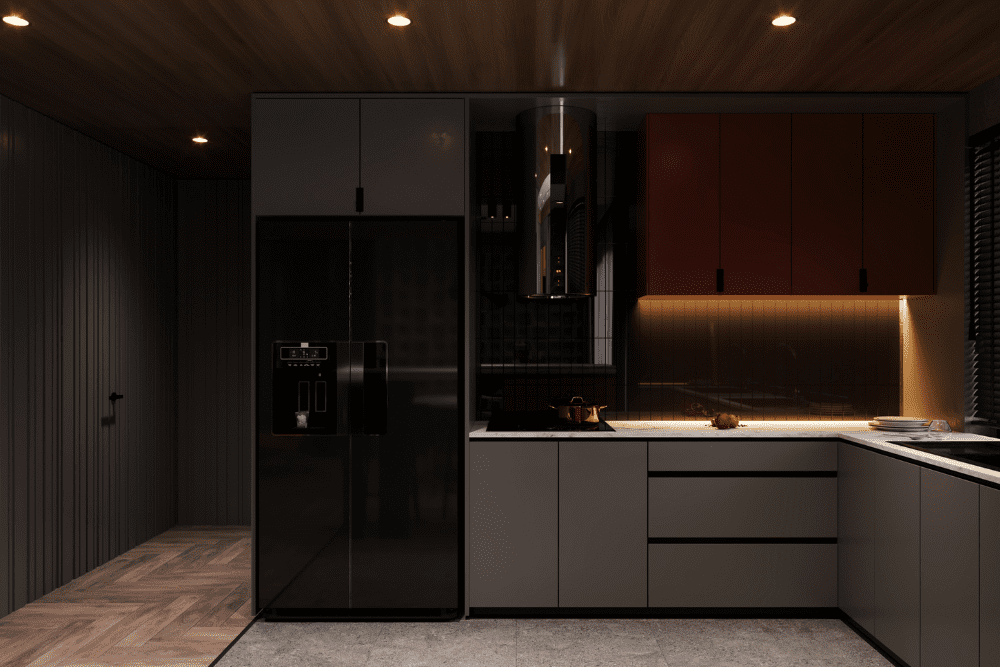
Living in a dark house is a lack of natural light, so yes, you can disrupt your circadian rhythms and get Seasonal Affective Disorder. The lack of natural sunshine also affects your body’s internal clock as it throws off serotonin and melatonin from its balance. With that, consider installing enough lights in your home. If the house permits, even add one to the outdoors, as this is also for safety purposes.