
The tech industry has achieved considerable success to celebrate over the past few years. But during its early days, it had its fair share of failures that can be entertaining. While others have launched products with massive hype, only to see them crash and burn. Today, we’re bringing you the 9 tech gadgets that were supposed to change the world, only for them to become cautionary tales.
9. Google+ (2011-2019)
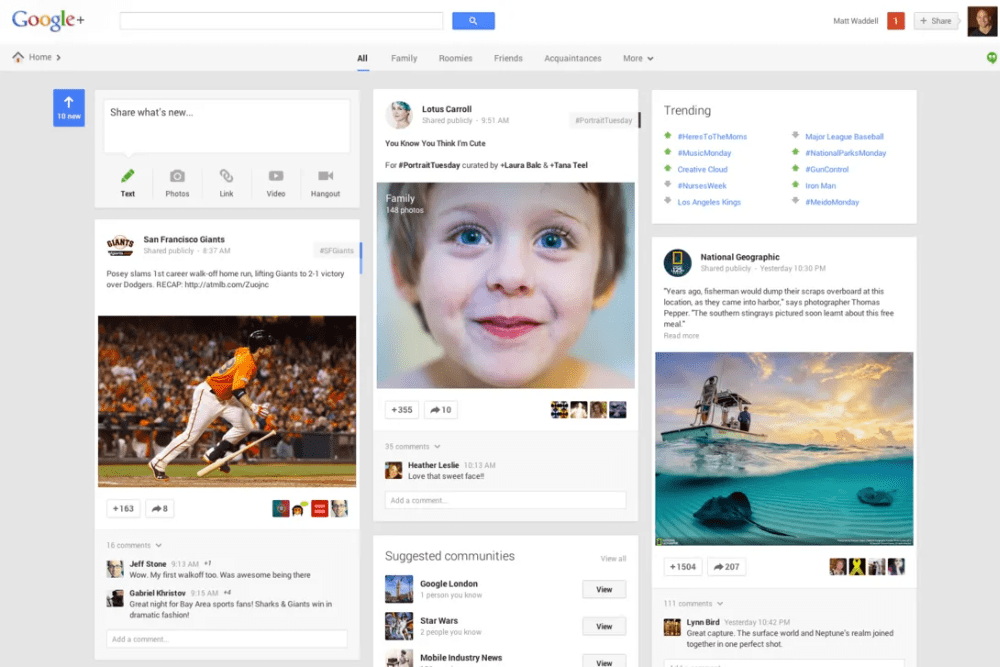
Google+ actually attempted to break into the social media scene during the heyday of Facebook and Twitter’s popularity. Google replicated how people interacted offline, allowing users to network in specific topics they call “Circles.” They even attempted to integrate with other services, such as YouTube, but it never caught the attention of the general public. With that, Google discontinued it in 2019 after a data breach that affected its users.
8. Apple Pippin (1996)
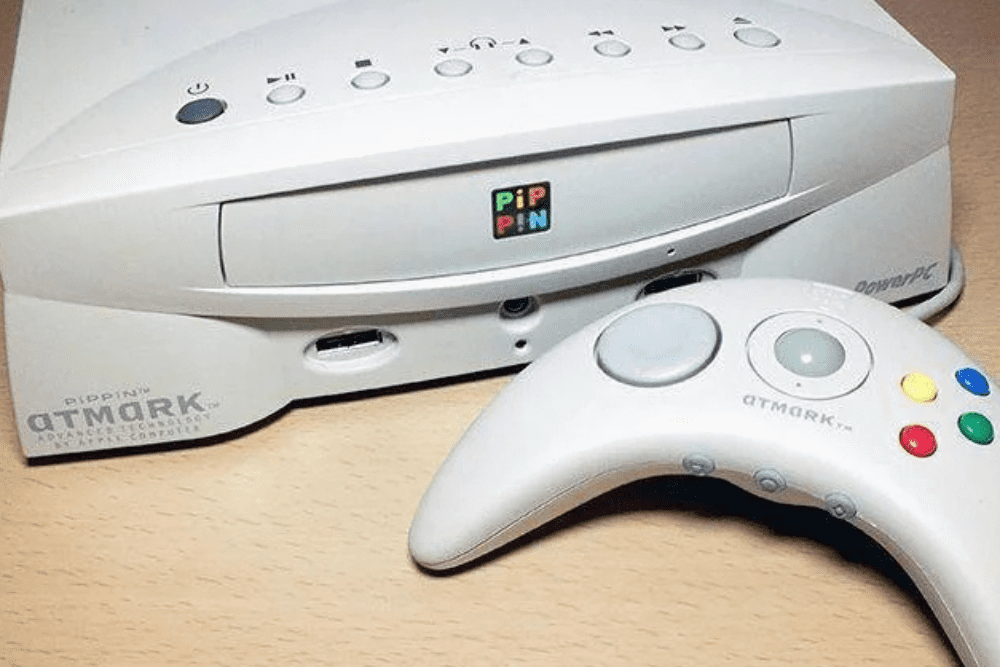
In 1995, Apple collaborated with Bandai to release the Apple Pippin. It’s an expensive console that competed with the much popular Sony PlayStation and Nintendo 64. With an expensive price tag and fewer games, they were doomed to fail. They only sold 42,000 units worldwide before Apple decided to discontinue it.
7. Windows Vista (2007)

When Windows Vista launched, it received negative reviews and poor user complaints. With that, the company had to release Windows 7 in just a couple of years. Windows Vista was meant to feature enhancements and a design that was supposed to wow the users. However, it was found to have various issues with its security features and performance problems. There’s also no end to driver support issues, which frustrated users so much that they were stuck with Windows XP until Windows 7 arrived.
6. Facebook Home (2013)
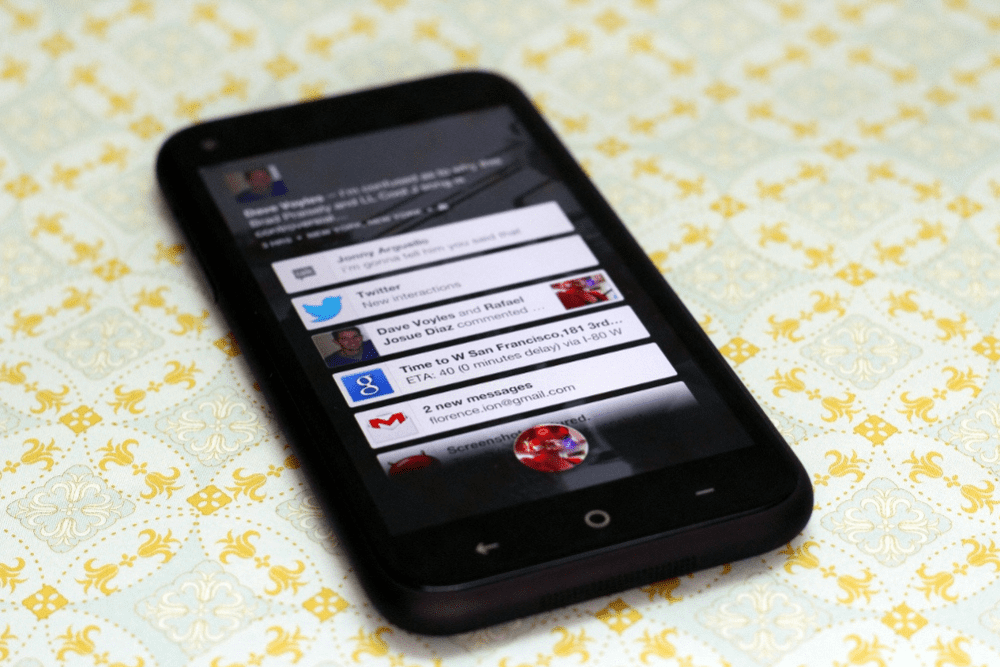
In 2013, Facebook released an app for users with Android smartphones. It features a design that transforms the home screen into a direct portal to the user’s Facebook newsfeed. However, users disliked how Facebook dominated their entire phone experience, and the app was quickly abandoned. This also led to the discontinuation of HTC’s First phone, which was marketed as a Facebook phone.
5. Amazon Fire Phone (2014)
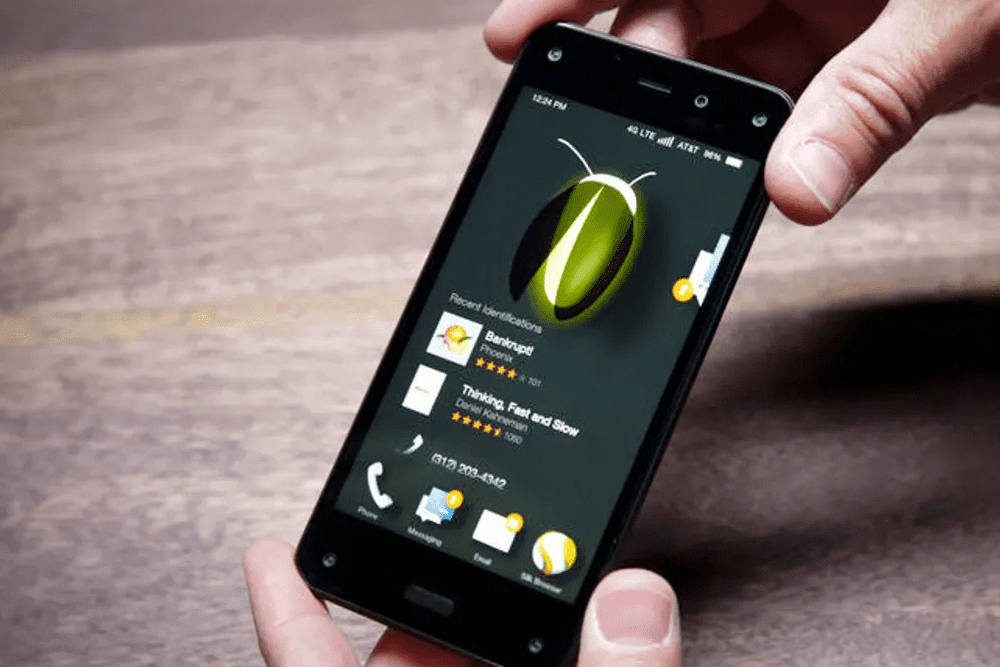
When Amazon released its first Fire Phone, it failed miserably. Critics pointed out its poor software and that it primarily promoted Amazon’s other products. They discovered that the phone’s 3D interface feature was just a gimmick that added no real value. Amazon quickly discontinued the phone within a year as they found more success with their Echo and Fire TV products.
4. 3D TVs (2010s)

During the 2010s, 3D TV was expected to revolutionize home entertainment as 3D films gained widespread popularity at the box office. However, they found that transferring the technology was not successful, and people didn’t want to wear 3D glasses at home. Also, screens weren’t wide enough to have full 3D effects. While major TV manufacturers pushed 3D technology hard, consumers weren’t as enthusiastic about it, especially when it came with a higher cost. By 2017, manufacturers had abandoned the production entirely.
3. Hoverboards (2015)

2015 was the year when kids and teenagers were seen riding a hoverboard everywhere. But when the boards turned out to be poorly constructed by burst into flames, it ruined their reputation. Once the exploding batteries made headlines, consumers abandoned their hoverboards and never recovered from the damage to their reputation.
2. Samsung Galaxy Note 7 (2016)
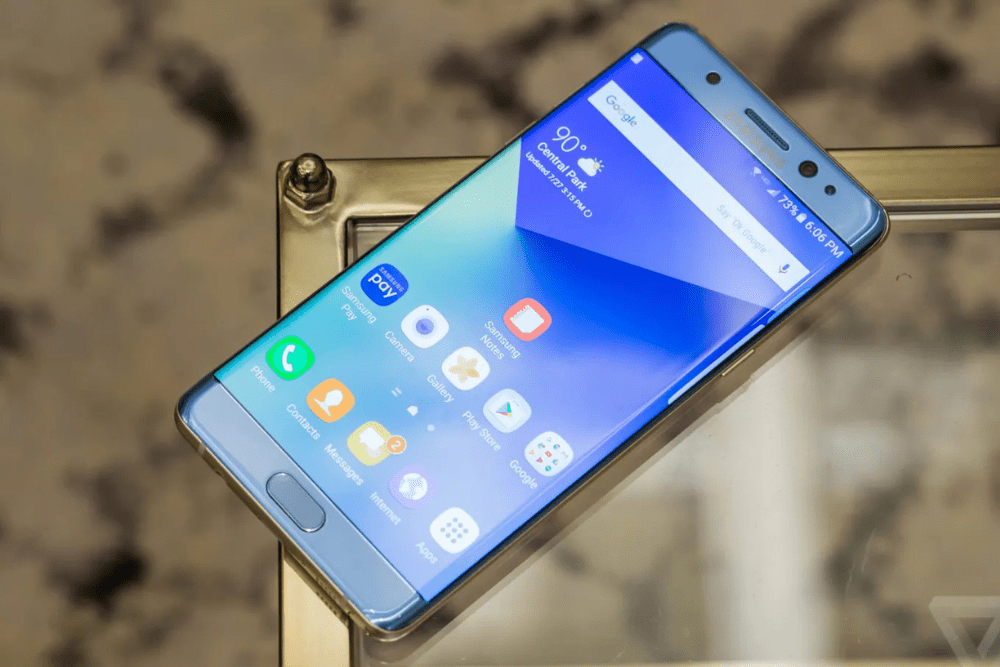
In 2016, Samsung launched its Galaxy Note 7, but it quickly went horribly wrong as the company received reports of the phones catching fire or exploding. This forced Samsung to recall millions of devices and discontinue the product entirely. This cost them billions of losses and damaged trust with consumers. They did recover when they released the Note series, which turned out to be successful.
1. Google Glass (2012-2015)
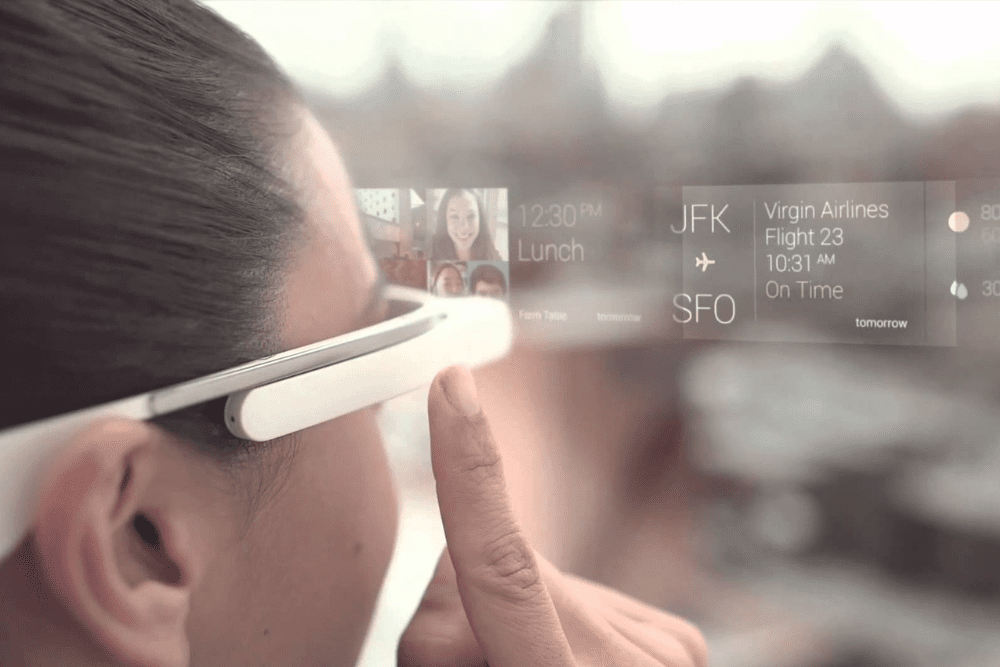
This invention cost Google a loss of $895 million when the first version was released in 2013. Users reported concerns about the glasses invading their privacy until the company discontinued the work on their Glass project in 2015. This built-in camera led to the glasses being banned in public spaces, as it records people without their consent. The glasses were also expensive for many and were found to have limited practical uses due to their short battery life.