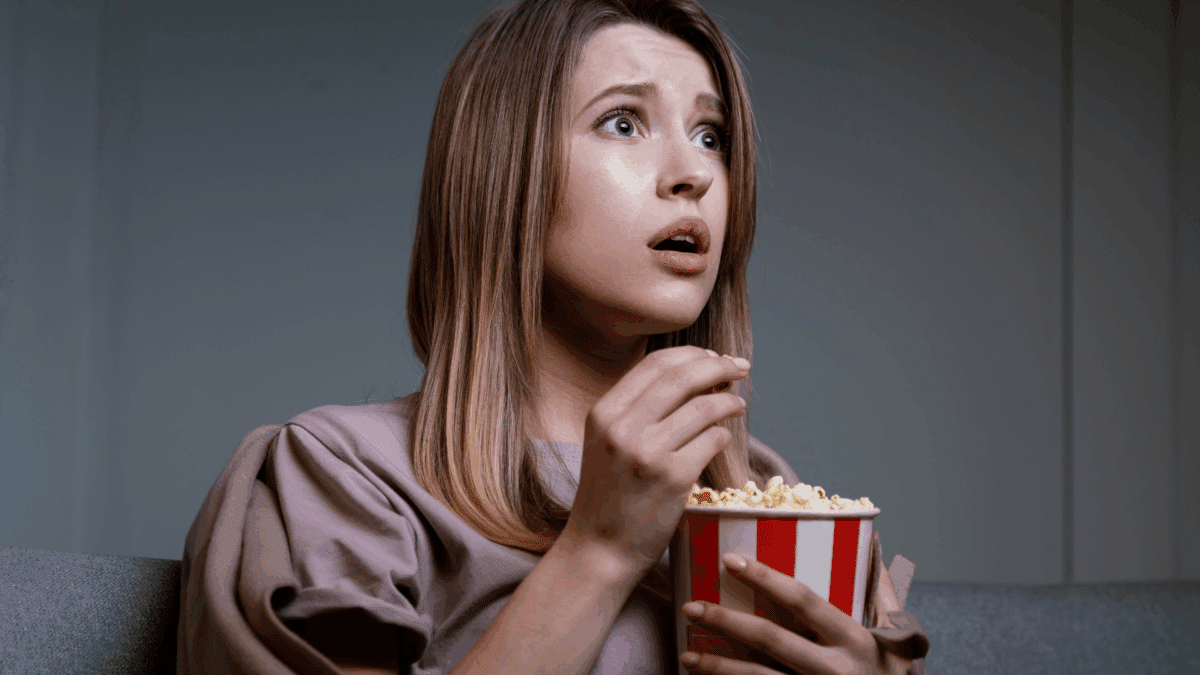
Pop culture isn’t just about entertainment; it reflects our collective fears and anxiety as humans. Yup, we’re talking about those horror films that people are lining up to dystopian TV shows we stream online. This is how we consume modern media about topics that keep us up at night. With that, here are the 9 ways pop culture captures our fears.
9. Humanity as the Real Monster
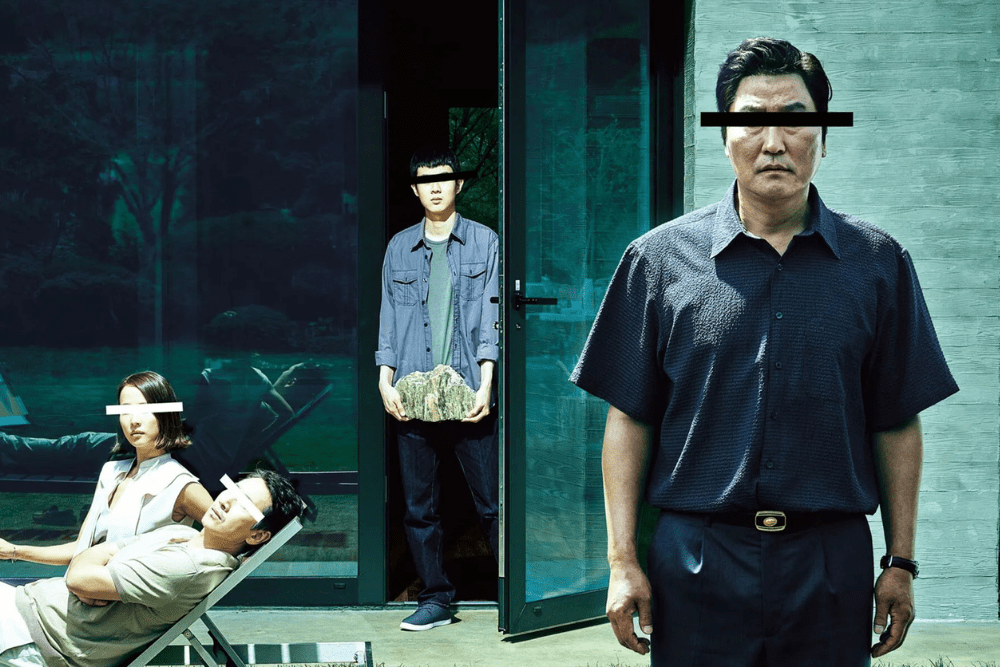
Horror has always been a part of us, no matter what season. With this, you might observe how modern horror shows humans as the threat. George A. Romero’s Dawn of the Dead shows 1970s consumerism with a line about zombies hanging out in shopping malls. There’s also Get Out and Parasite, which fall under contemporary horror, exposing class warfare and social injustice. The monsters depicted in these films are actually humans, specifically the systems that we’ve created.
8. Found Footage and Digital Culture Fears
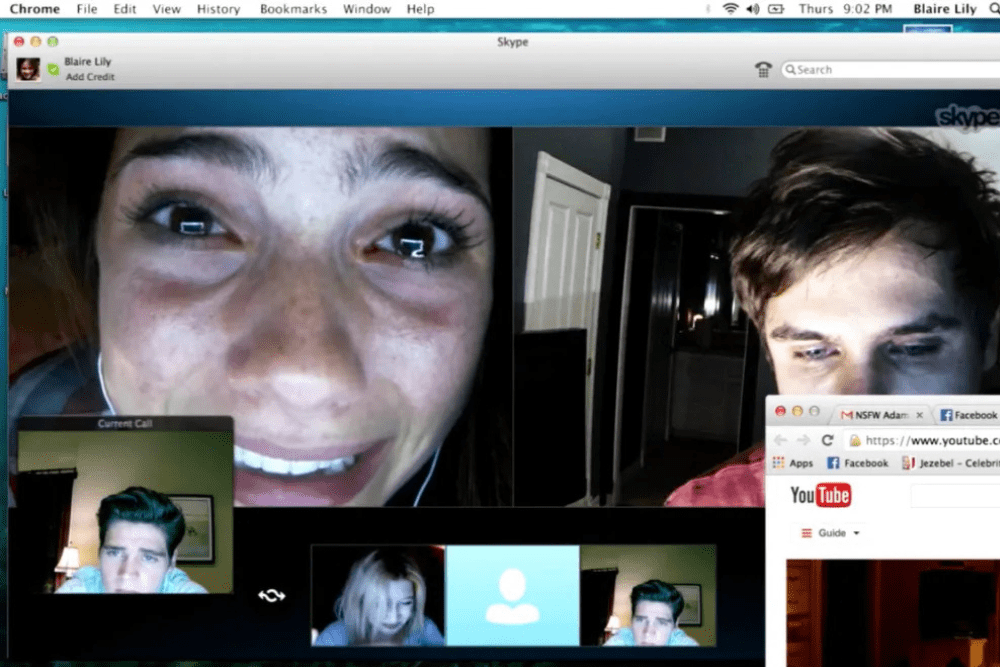
There’s a line of footage found in horror films about fears in today’s digital age, where people record everything on their phones. One popular film that falls in this category is “Unfriended,” which is set on a Skype call where an unknown user joins their group call and torments them all. It taps into our fears about digital footprints that are weaponized against us.
7. Surveillance Society Anxieties
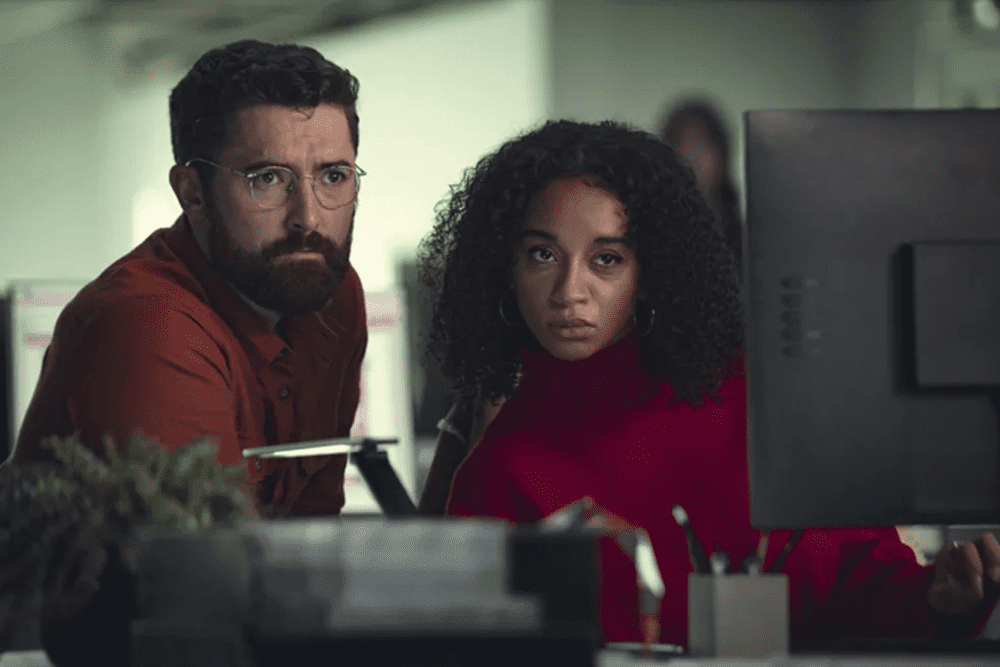
There’s a fear about the exposure of our private spaces that represents technology invading our privacy. This is where the show “Black Mirror” comes along, which features episodes about constant surveillance and psychological torture. These dystopian shows actually mirror our concerns about data collection, facial recognition, and tracking apps. We fear that when we become too visible, society will permanently judge us for it.
6. Apocalyptic Fears Through Zombie Media
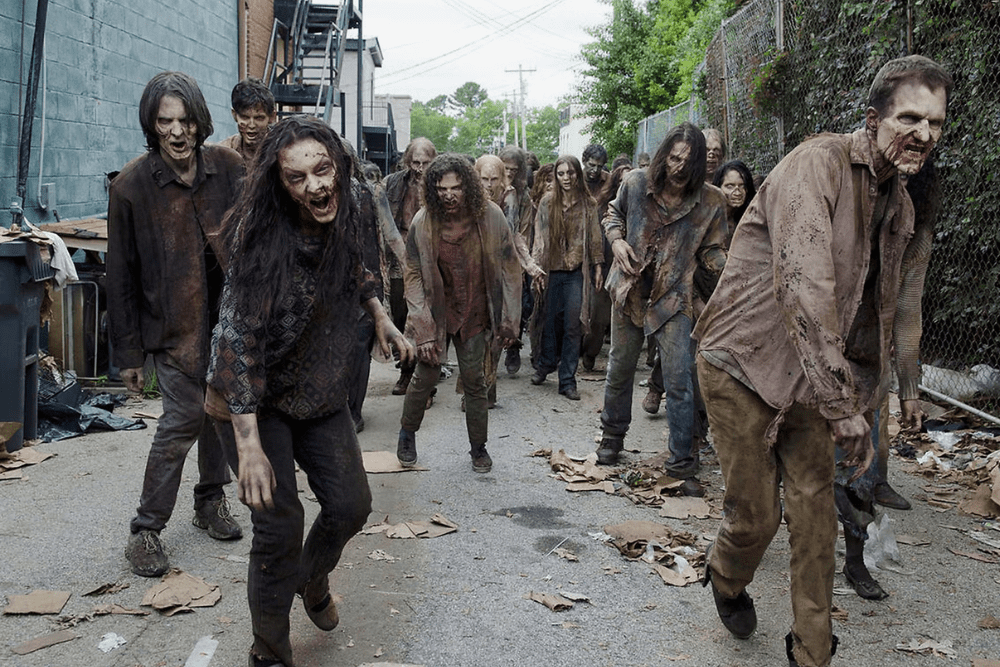
With apocalyptic devastation, we thought about how to live and configure society. However, humanity chooses to act in its worst habitual tendencies. Shows like “The Walking Dead” reveal to us how zombies aren’t our deepest fears. It’s actually human behavior when society collapses. Zombie narratives actually gained popularity during the 9/11 tragedy and economic crisis recessions, something about the breakdown of society.
5. Loss of Control Over Nature
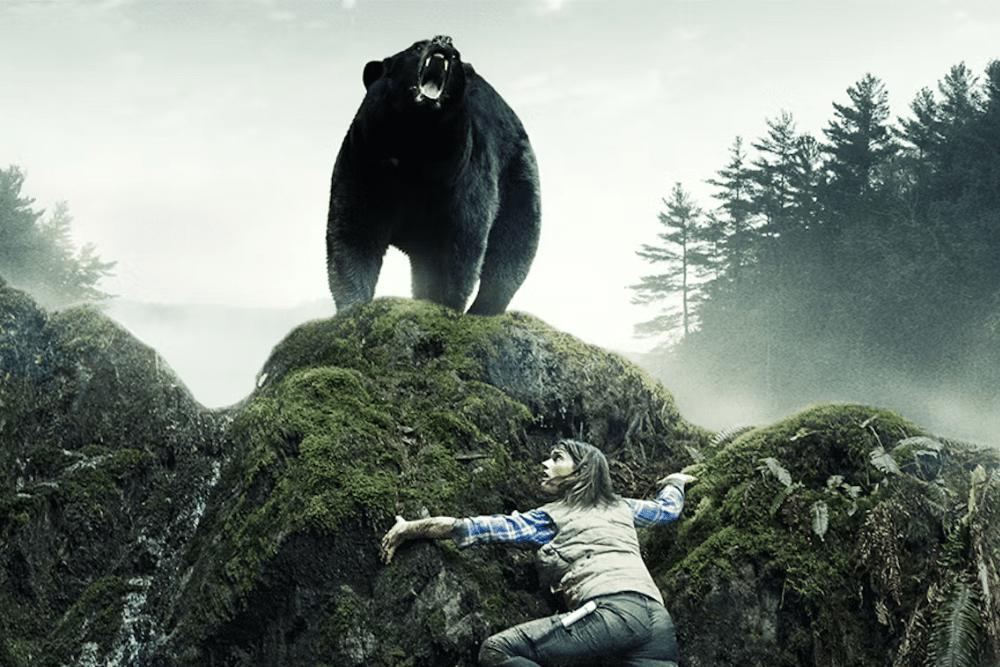
It’s been evident countless times that nature is already taking back what humanity stole from it. Yup, it’s the mass pollution and the fear of disasters destroying humanity. Films like Backcountry and Sharknado play on the fear of no space left for nature. It shows Mother Earth getting her revenge with vegetation and animal attacks. They reflect on environmental guilt and the possibility that nature will fight back.
4. Technology Invading Family Life
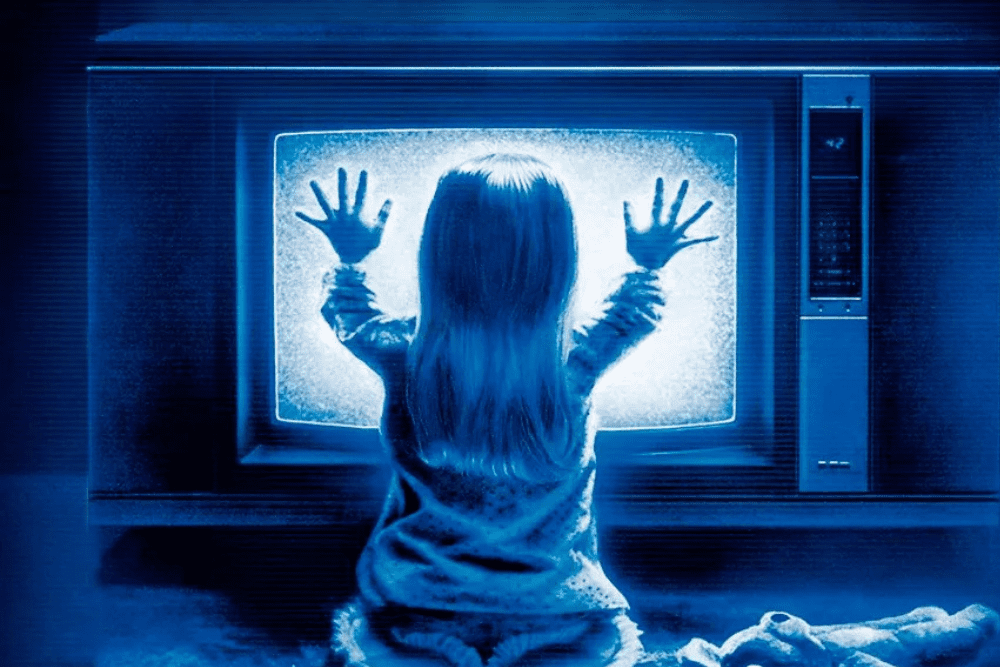
Fear of technology grew as cellphones, tablets, and laptops became the obsession of American youth. The Hollywood film industry capitalized on the problem that they created movies like Poltergeist. The most prominent example in the Poltergeist movies is when Carol Ann and Maddy, two victims, are speaking to TVs. Those were the early depictions of television invading homes.
3. Mental Health Anxieties Manifesting as Monsters
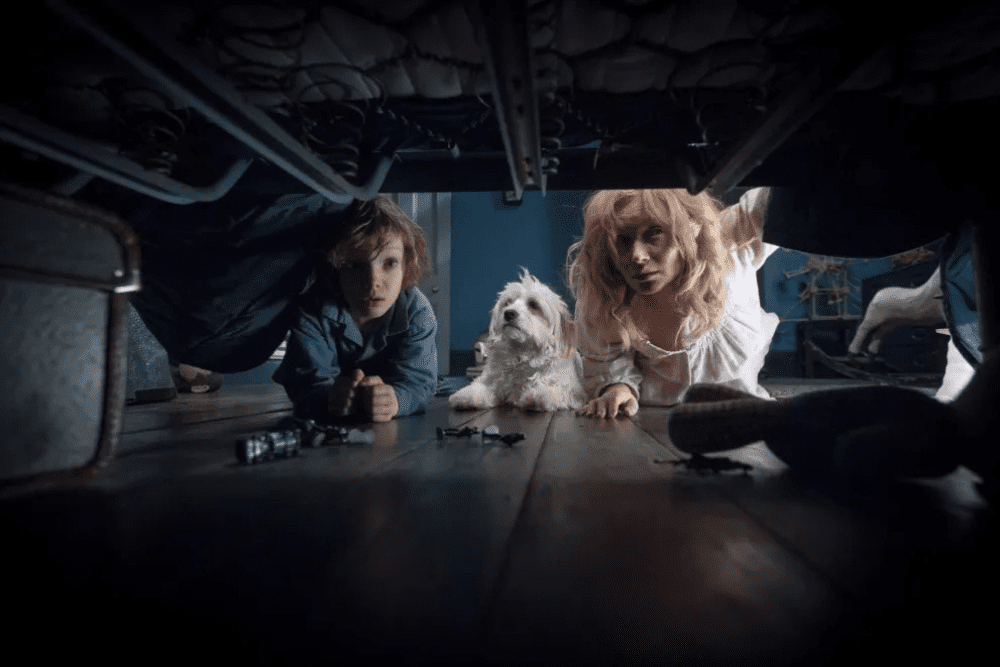
With mental illnesses looming, internal anxieties manifest in horror films. Some movies include The Babadook and Legion, where psychological struggles take form as entities. This trend reflects growing societal awareness of mental health while revealing discomfort with discussing it openly.
2. Invasion and Othering Fears in Genre Films
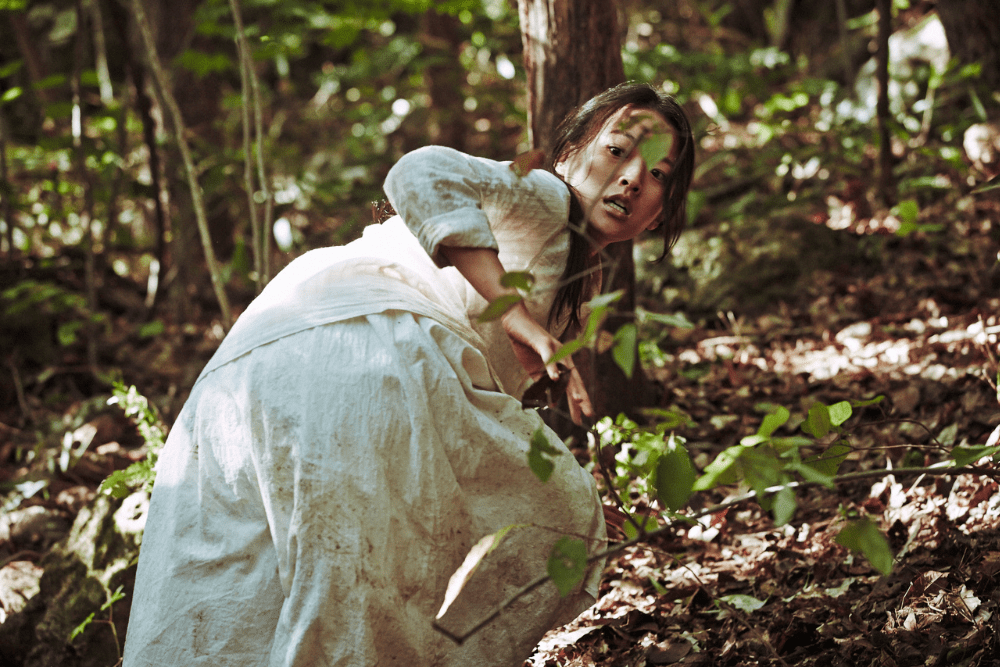
Before the 9/11 attacks, horror movies used to depict the main antagonist as a part of the natural environment. We had sharks, inhuman monsters, and some unnatural phenomenon. But after the attacks on the World Trade Center, horror movies depicted humans with another look and behavior as the main antagonist. You’ll see this in “The Hostel,” which leans on international political forces. Meanwhile, “The Wailing” dealt with xenophobia and no communication across cultural and linguistic divides.
1. Technology Paranoia Through “Black Mirror”
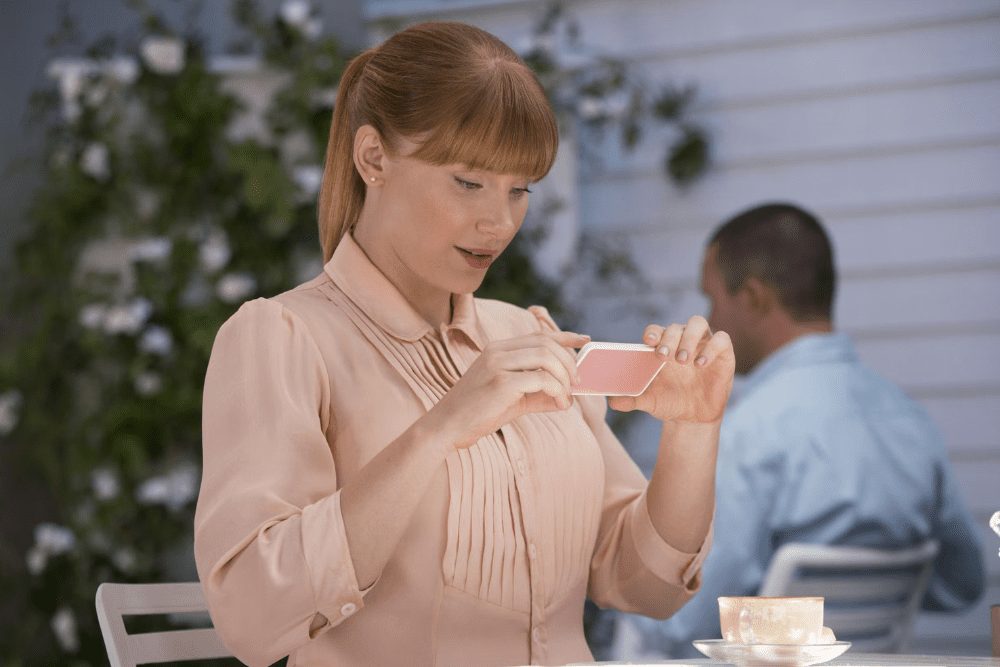
Black Mirror premiered in 2011, just four years after the iPhone launched. The show adopted dystopian relationships between a human and a technology. One of the famous episodes is titled “Nosedive,” where society is ruled by social ratings, and every interaction affects one’s societal status through credit systems and online rating platforms.