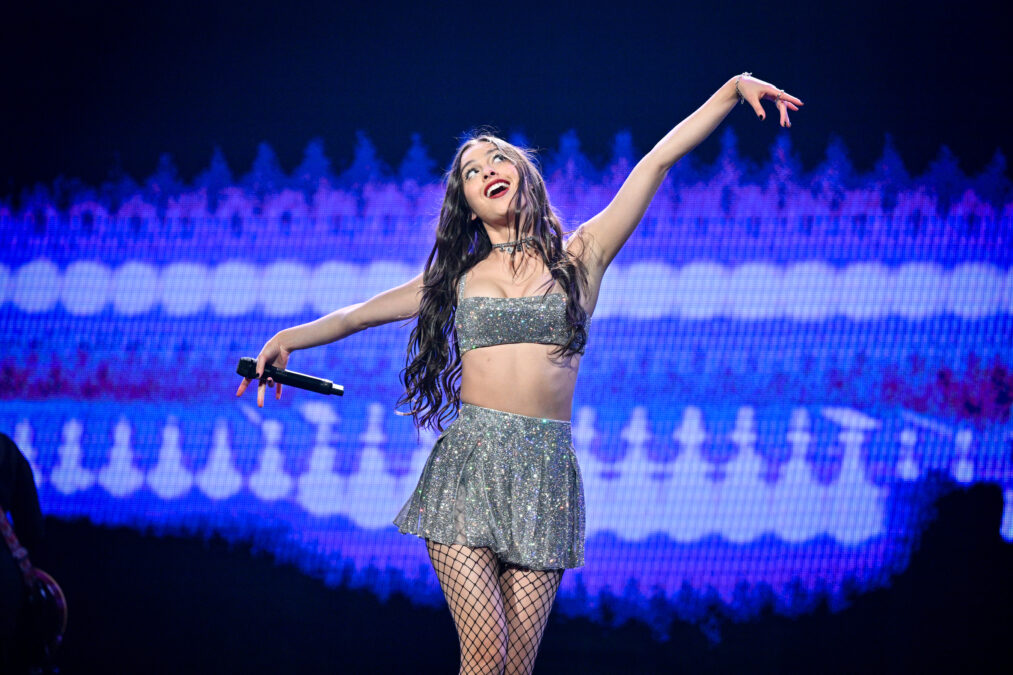
The first time you hear drop dead, you think Olivia Rodrigo has finally written her love song. Thirty-eight seconds in, you realize you’ve been had. By Friday morning, April 18, the track sat at No. 1 on the Global Spotify chart, her first song to open there, and the engine room of a promotional campaign designed around the simplest idea in pop: let the listener think they know what the song is, then pull the chair out from under them.
The song, briefly, for anyone who has not yet been ambushed
It opens with acoustic strum, choir-stacked harmonies, and a melody that sits politely in the pocket where a Taylor Swift single lives. You are cued, as a listener, to expect gratitude. What you get, instead, is a pre-chorus that tips into a low, dry delivery — “I hope you drop dead” — sung not with scorn but with the faint, exhausted calm of someone who has finally said the quiet part out loud. The production tilts. The harmonies stay. The song proceeds to spend three minutes refusing to take itself back.
Lindsay Zoladz, at The New York Times, called it “a heavenly fakeout,” which is the cleanest read anyone has filed so far. The architecture is the argument.
Why this chart position matters
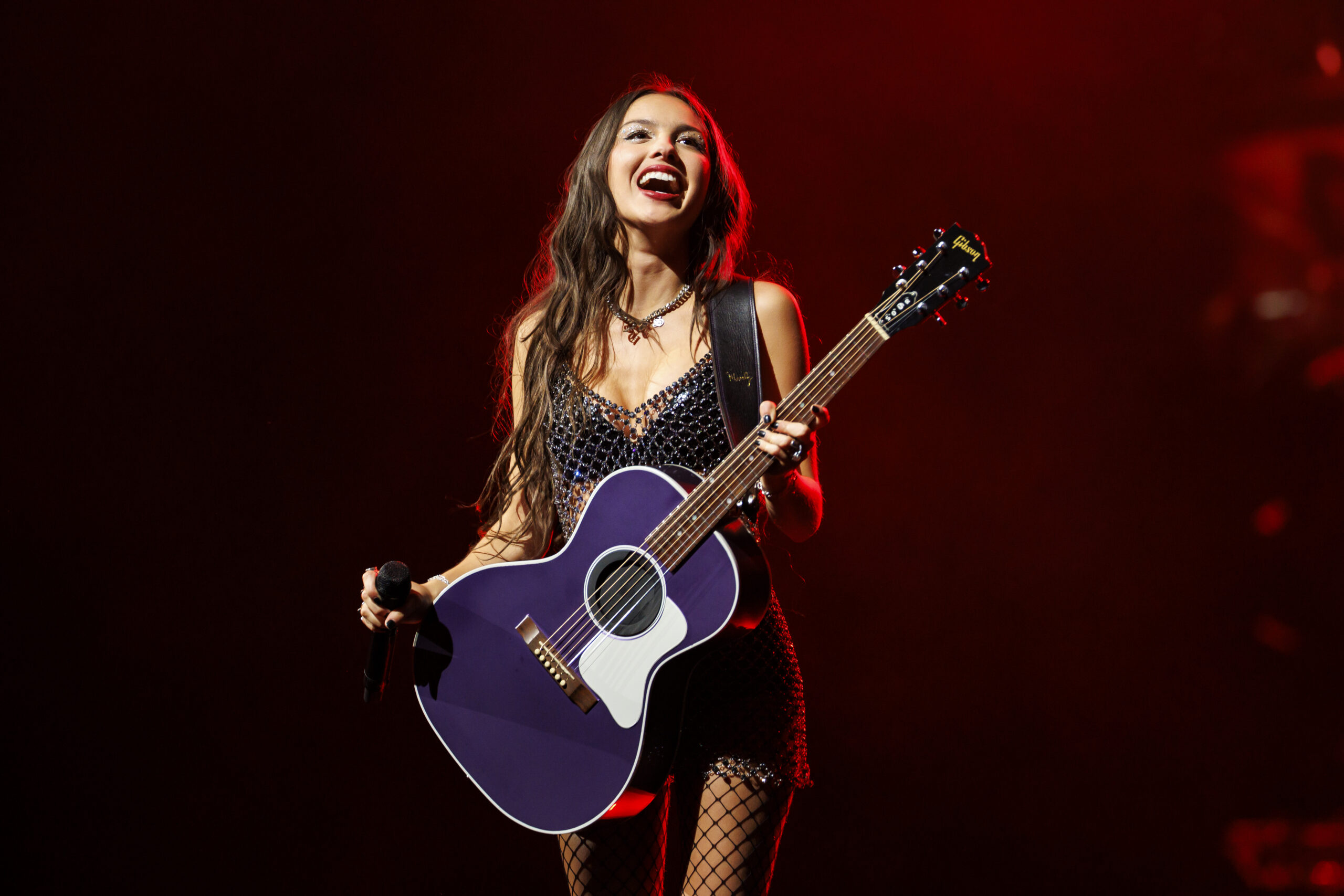
A No. 1 Global Spotify debut is easier to come by than it used to be, but it is also genuinely harder than a Billboard Hot 100 debut in one specific way: it cannot be bought. The Global Top 50 runs on real-time streams, and you either show up on Friday morning with the numbers or you do not. Rodrigo’s previous lead singles — vampire, drivers license — were both massive, but neither opened at the very top of the global chart. drop dead did.
This is the first time, in other words, that the world’s listening audience — Jakarta, São Paulo, Warsaw, Istanbul — moved in the same direction on her first-day release as her US core did. For a lead single off an album that doesn’t drop until June, that is the press release before the press release.
The album around the song
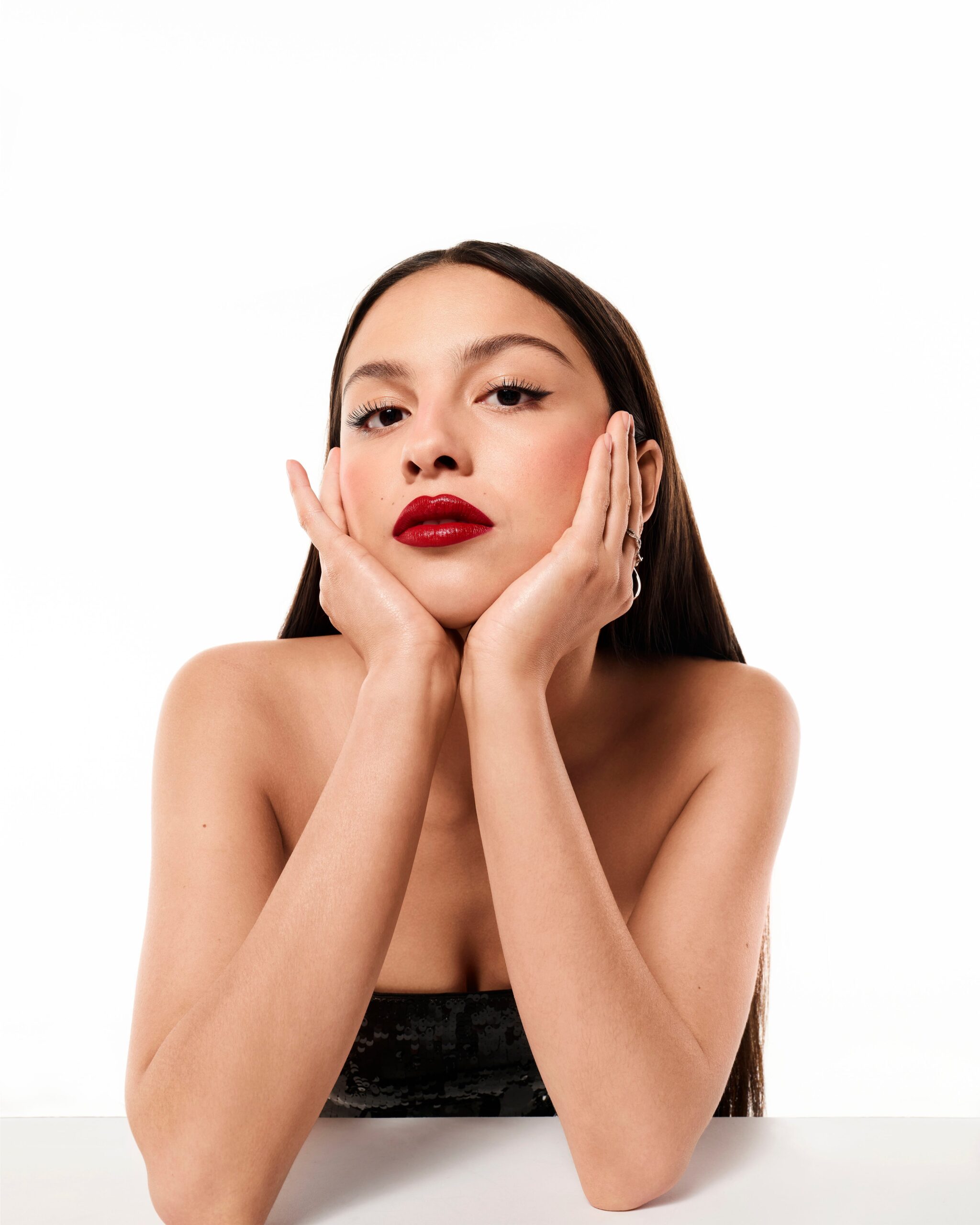
The third album, you seem pretty sad for a girl so in love, is scheduled for June and produced, once again, with Dan Nigro — the collaborator who also built Chappell Roan’s sound and who is now, unavoidably, the most consequential pop producer of this particular half-decade. The title is the most interesting thing about the rollout. It sounds like a line someone said to Rodrigo, not a line she wrote about herself. It is also, read a second time, a line she could easily have said to someone else. The ambiguity is deliberate. Every track she has teased so far carries a version of it.

The Versailles video and the tabloid grammar
The video, directed by Petra Collins, was shot partly at Versailles. It is a dizzying thing: baroque interiors, a stone-faced Rodrigo wandering rooms that were never built for someone dressed like her, moments of the camera moving too fast for the eye to settle. Artnet’s Vittoria Benzine, in a piece filed Thursday night, read it as Collins’s most overt nod yet to rococo ornament as pop video vocabulary. Which it is. But Versailles has a secondary function here, which is to literally outscale the feelings. You do not write a song called drop dead and then stage it in a bedroom. You stage it in the room where the kings used to hold court, and you let the sarcasm do the rest.
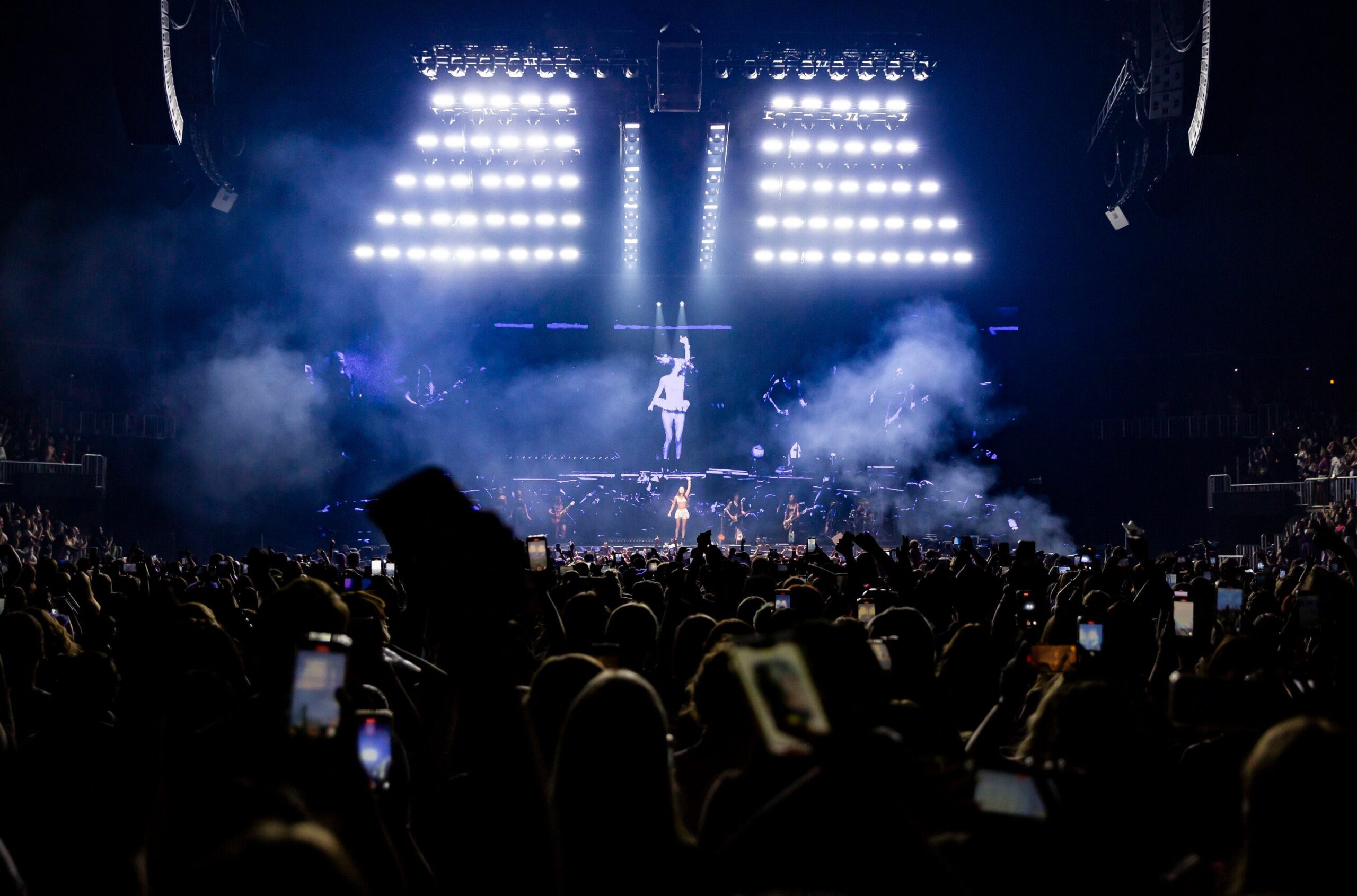
What the fakeout actually is
The technical move in drop dead is that the song does not change register when the sentiment does. The pre-chorus is the first place the lyric turns violent, but the production keeps the harmonies, keeps the acoustic strum, keeps the faint church-choir swell. The emotional pivot is held inside the same sonic container as the opening line. This is why the song sounds, on first pass, like a gratitude ballad. It is — for about thirty-eight seconds — behaving exactly like one. The refusal to change key when the feeling changes is the trick.
Rodrigo has been edging toward this move since GUTS. The difference is that on GUTS, the rage songs sounded like rage songs. On drop dead, the rage song sounds like a hymn.
Coda
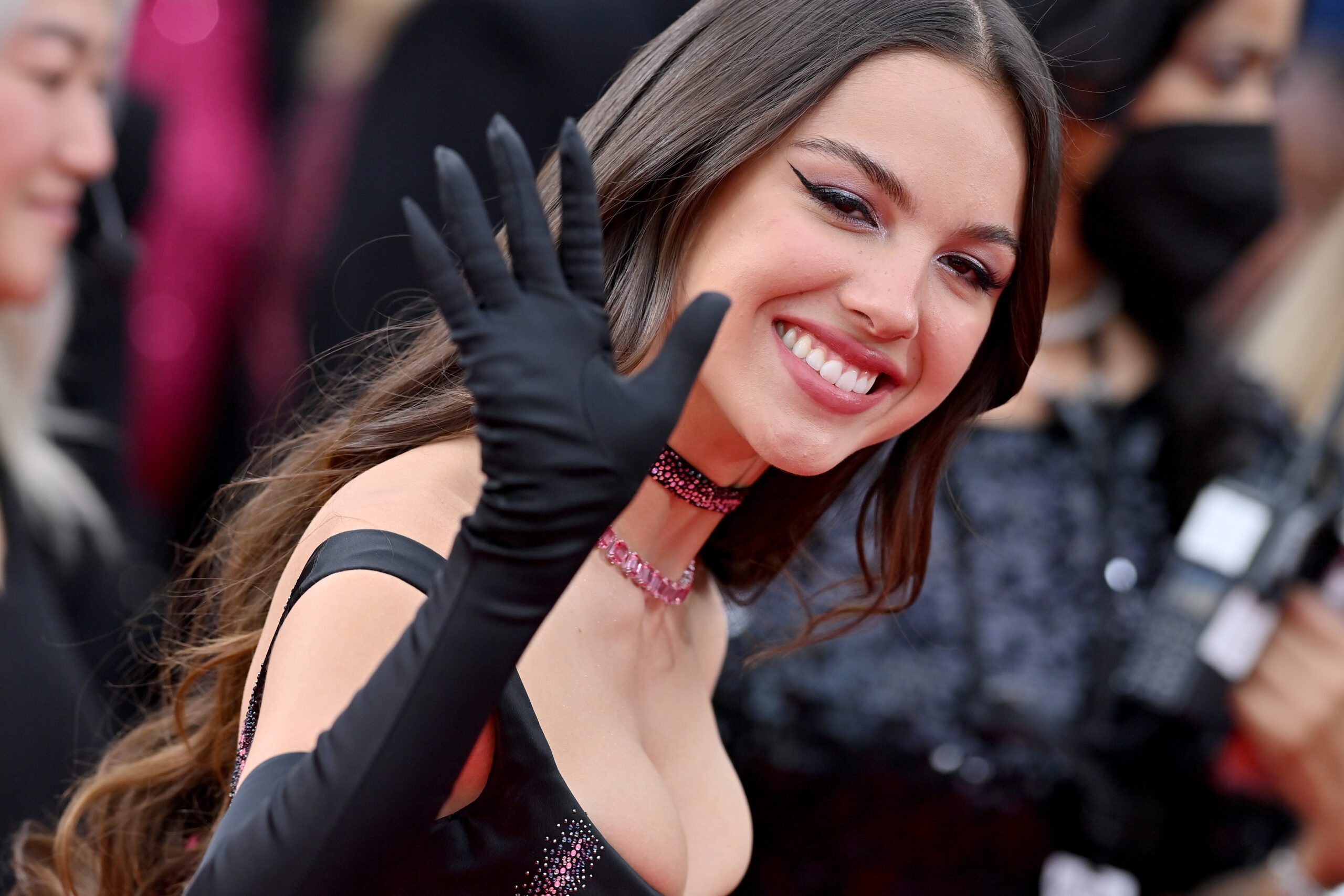
There is a temptation, every time a young pop star lands a chart debut this cleanly, to frame it as inevitable. Rodrigo has three albums now. Two of them sold in the high millions. This one will, too. But inevitable is the wrong word for drop dead. The song took a risk that most artists in her position actively avoid, which is to ask the listener to re-hear the first twenty seconds after hearing the next twenty. That ask is what the Global Spotify number tells you worked.
The Monday after a No. 1 opening is usually the quietest day of a release cycle. This one will not be. Every pop songwriter paying attention will spend it pulling the track apart to see how the hymn turned into the insult without anyone noticing the seam. Most of them will not find it. The few who do will spend the summer writing their own version. By June, when the full album arrives, Rodrigo will have already set the rules everyone else is trying to reverse-engineer.
Which is, historically, the exact thing the best pop records do. And, as of Friday morning, the exact thing this one is now doing.
— A. Moore