The Most Radical Thing You Can Do in 2026 Might Be Downgrading Your Phone
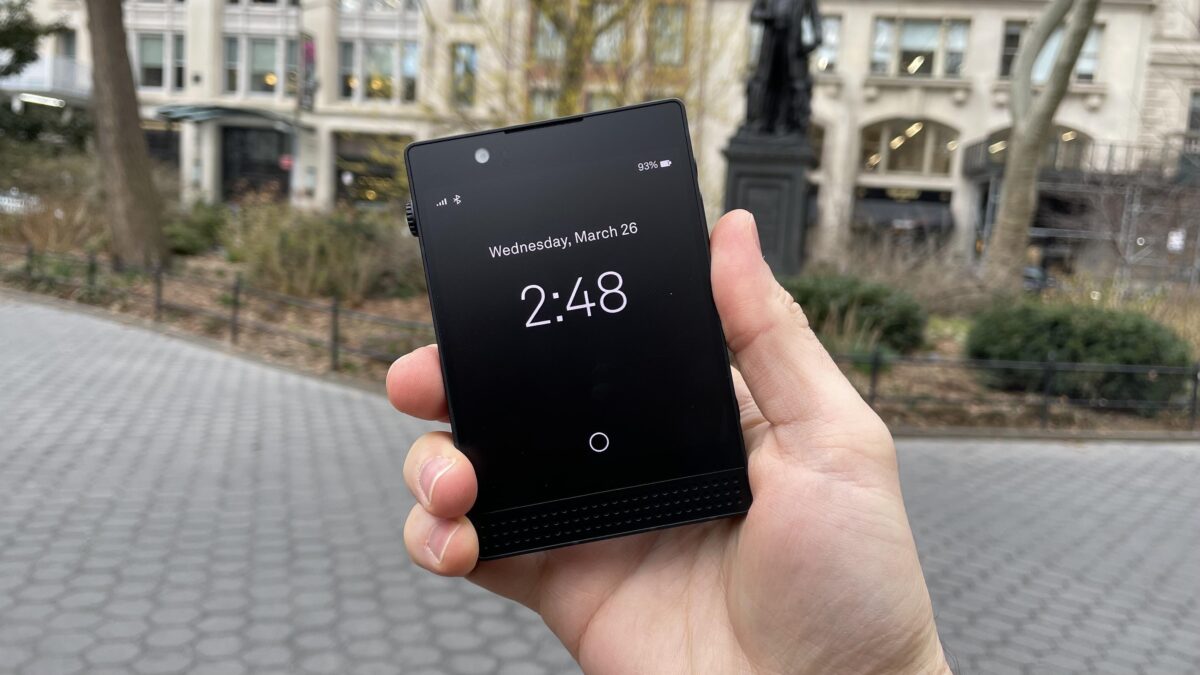
Somewhere in Brooklyn — or Austin, or a coffee shop in Lisbon where the Wi-Fi password is written on a chalkboard in cursive — a twenty-six-year-old is pulling a flip phone out of their pocket. Not ironically. Not as a bit. They bought it on purpose. They researched it. They agonized over whether to get the Light Phone III or a Nokia 2780. They told their group chat about it first, which was the last message they sent from that group chat.
And then they disappeared. Not in the way people disappear when something goes wrong, but in the way people disappear when they’ve decided that being reachable at all times was the thing that was going wrong.
The Numbers Don’t Lie — But They Do Surprise
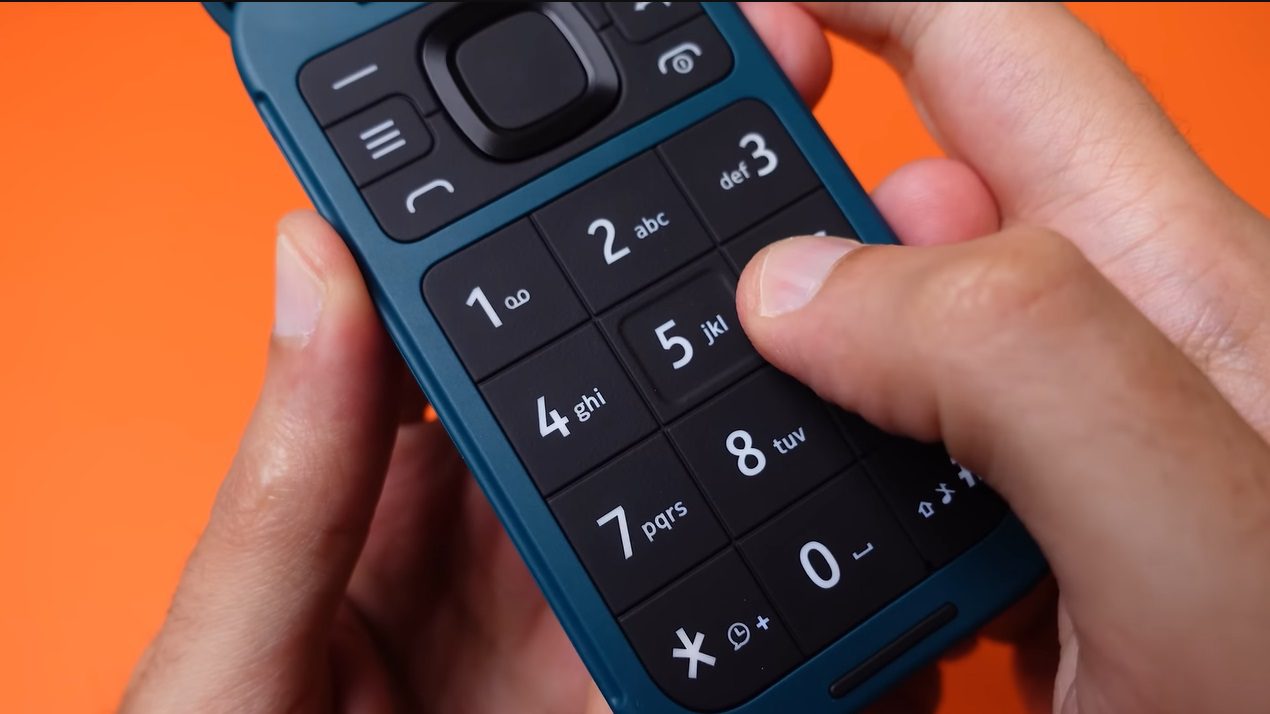
Dumbphone sales have surged over 30 percent year-over-year since 2024. The Light Phone, once a niche Kickstarter darling, now has a waitlist. Nokia’s feature phone division — which most people assumed was a nostalgia play kept alive out of corporate sentimentality — reported its strongest quarter in a decade. The search term “best dumbphone 2026” outpaces “best iPhone case” in Google Trends data for the first time in history.
These aren’t Luddites. They’re software engineers and graphic designers and people who run their own Substacks. They didn’t abandon technology because they don’t understand it. They abandoned the smartphone specifically because they understand it too well.
The Slot Machine in Your Pocket
The metaphor has been around for years — Tristan Harris used it in 2017, and it’s been quoted in every digital wellness TED Talk since — but it hits differently when you’ve lived through the full arc. The average American now spends four hours and twenty-three minutes per day on their phone. That’s not a statistic that shocks anymore. It’s a statistic that has become background noise, which is exactly the problem.
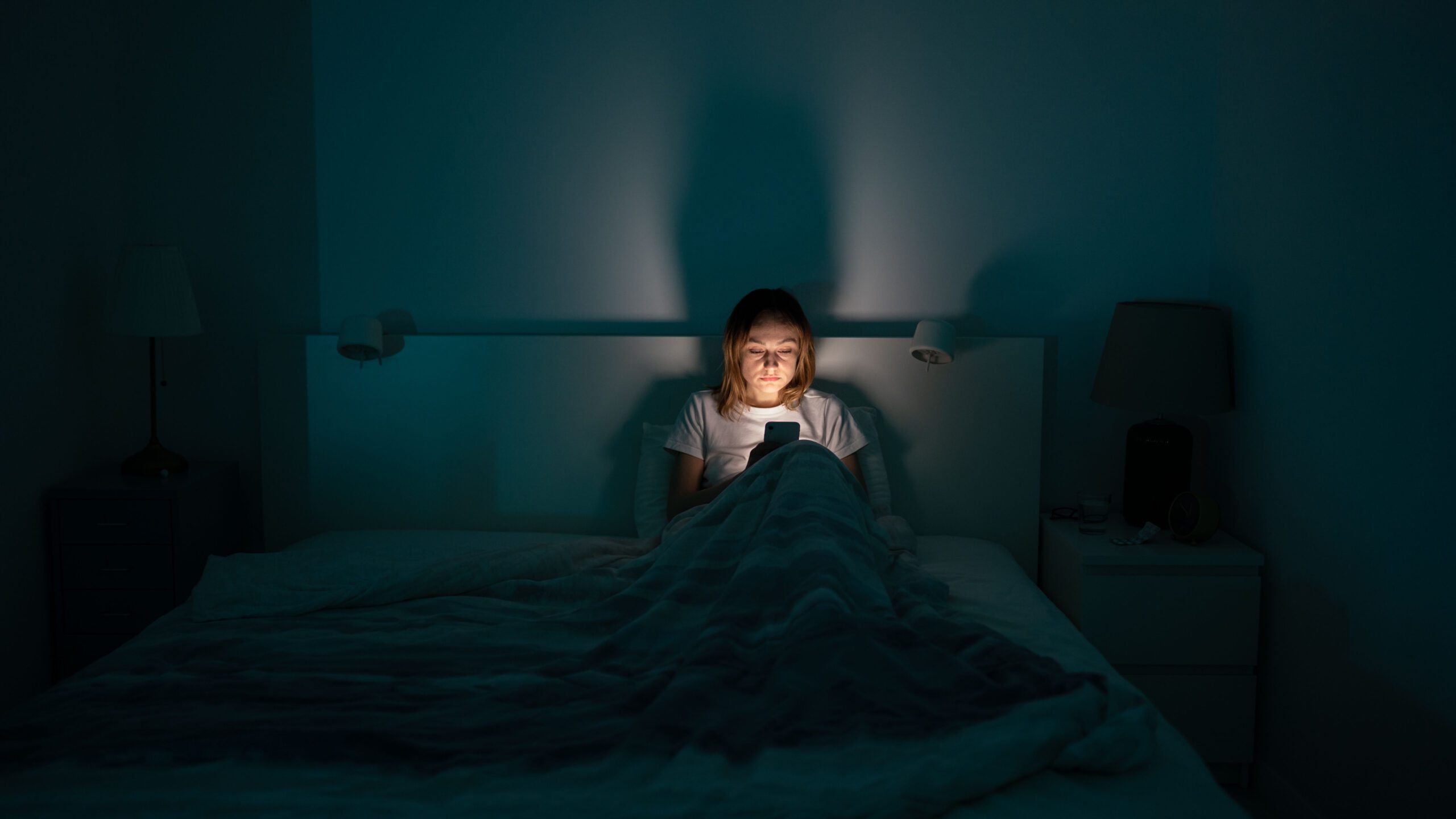
What changed isn’t the data. What changed is that people started noticing what the phone was taking from them that couldn’t be measured in screen time reports. The ability to sit in a waiting room without reaching for something. The capacity to be bored. The strange, forgotten skill of thinking a thought all the way through before someone else’s thought — delivered via push notification — interrupted it.
A friend of mine switched to a flip phone last October. I asked her what the hardest part was. She didn’t say navigation, or missing Instagram, or the inconvenience of T9 texting. She said: “The first week, I kept reaching into my pocket for something that wasn’t there. Like a phantom limb. That’s when I realized how bad it had gotten.”
Disconnection as Status Symbol
Here’s where the flip phone trend gets genuinely interesting — and a little uncomfortable. Because there’s a class dimension to this that nobody wants to talk about.
Opting out of the smartphone is, in many ways, a luxury. It assumes you don’t rely on gig apps for income. It assumes you don’t need Google Maps to navigate a city you can’t afford to live in the center of. It assumes you have the kind of job where being unreachable for three hours doesn’t get you fired — it gets you admired.
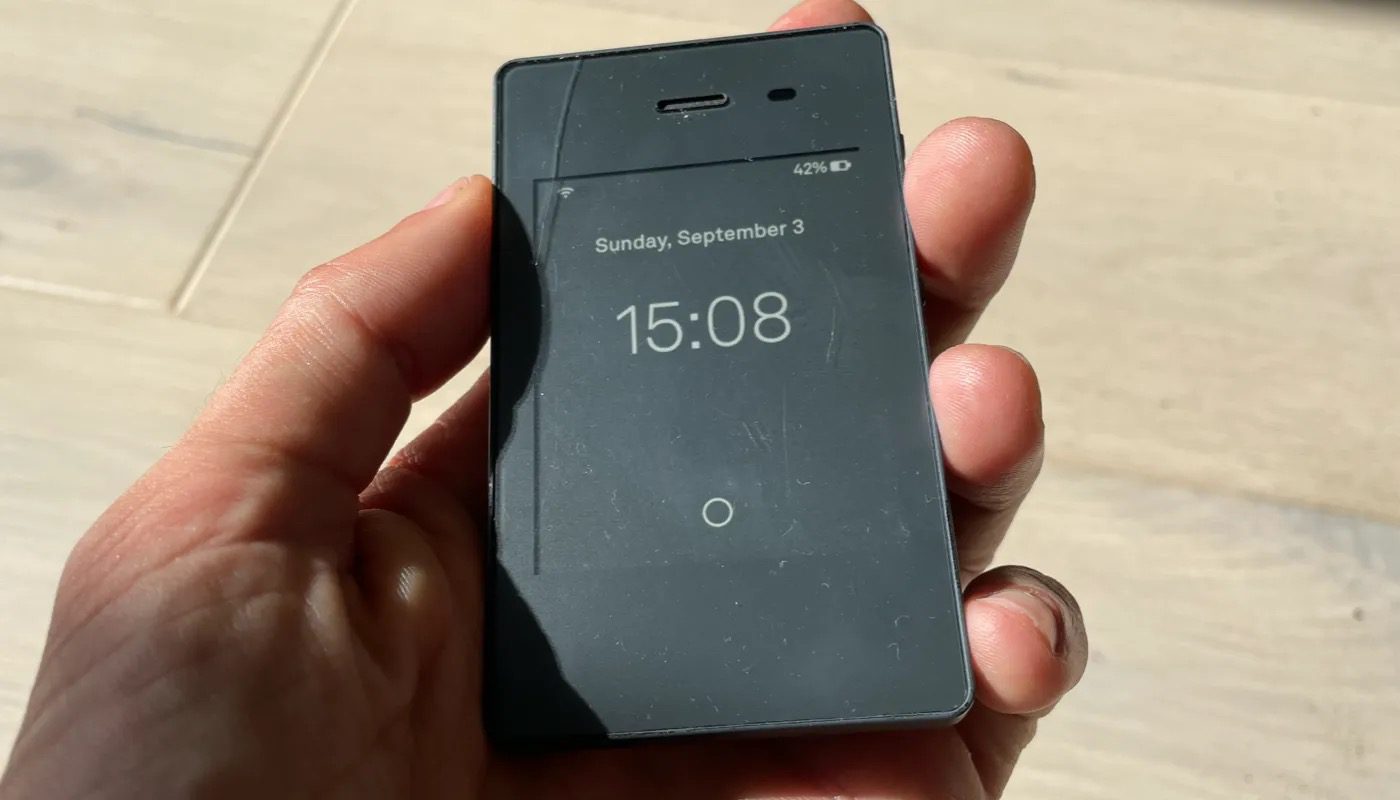
The flip phone has become, paradoxically, a flex. It says: I am so secure in my career, my relationships, my sense of self, that I don’t need to be online. It’s the 2026 equivalent of a Patagonia vest or a tote bag from a bookstore that closed in 2019. It signals a particular kind of cultural capital — the capital of not needing to try.
This doesn’t make the movement fake. But it does make it more complicated than the narrative it tells about itself.
What the Phone Companies Already Know
The smartphone industry isn’t panicking, and that tells you something. Apple’s internal research, portions of which leaked in a 2025 antitrust filing, showed that the vast majority of people who “downgrade” return to a smartphone within six months. The phone companies have seen this before. They saw it with digital detox retreats. They saw it with Screen Time features and grayscale mode hacks. They know the cycle: guilt, restriction, relapse, normalization.
But there’s a minority — a growing one — that doesn’t come back. And what’s notable about this group isn’t their willpower. It’s their infrastructure. They’ve rebuilt their lives around the absence. They bought a standalone GPS. They use a laptop for email. They carry a point-and-shoot camera. They’ve essentially unbundled the smartphone back into the seven devices it replaced, and they’ll tell you — with the fervor of the recently converted — that each experience is better for it.
Whether that’s true or whether that’s the storytelling we do to justify inconvenience is a question worth sitting with.
The Real Question Underneath All of This
The flip phone trend isn’t really about phones. It never was. It’s about a feeling that something essential has been lost — some capacity for stillness, for presence, for the kind of deep attention that produces both good work and good relationships — and the very human impulse to find a physical object to blame for an invisible problem.
The phone didn’t steal your attention. An entire economy was built to harvest it, and the phone is just the delivery mechanism. Switching to a flip phone is like blaming the syringe. It might help, the way removing a trigger helps. But the vulnerability it exploits was already there.
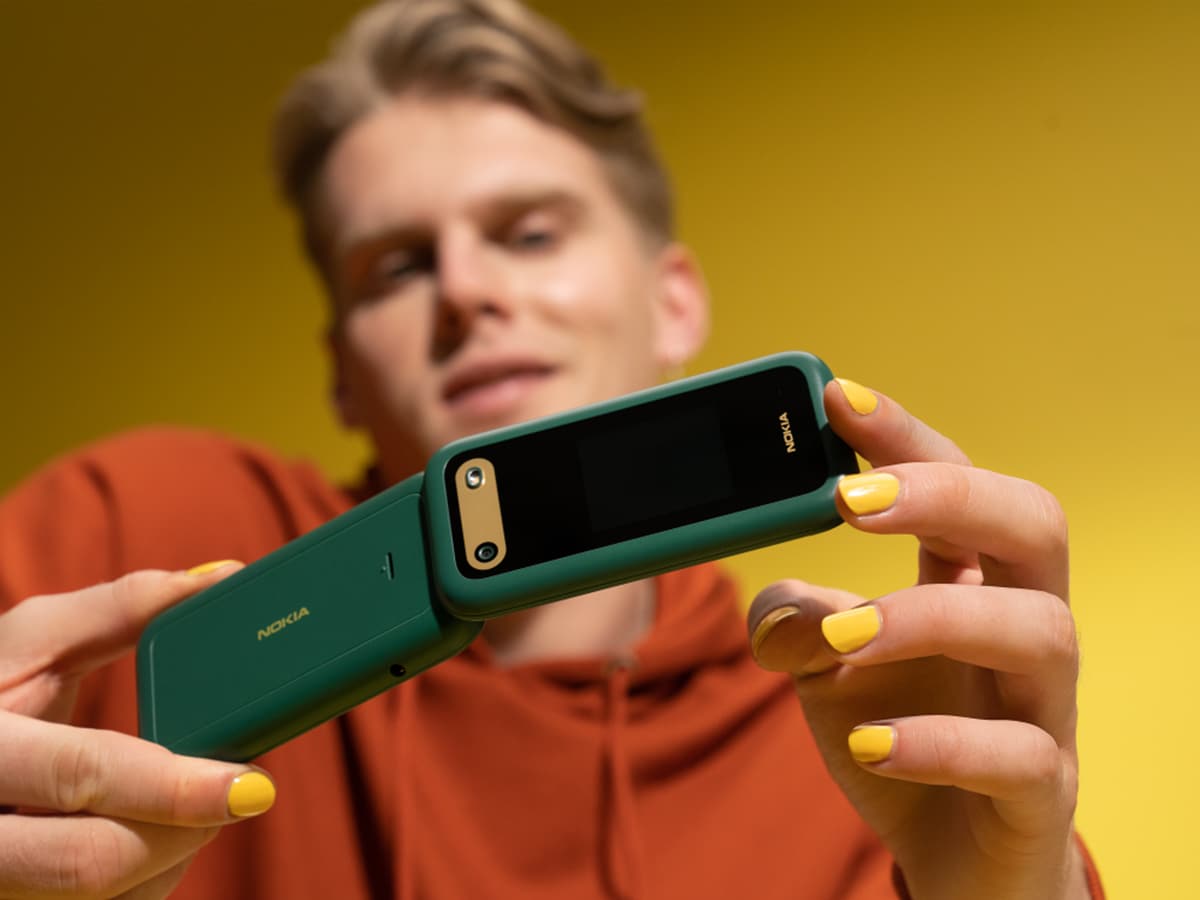
That said — and this is the part the cynics miss — sometimes the gesture matters more than the logic. Sometimes the act of closing a flip phone with a satisfying click, of hearing that plastic snap that says this conversation is over, does something that no mindfulness app or screen-time limit can replicate. It gives you a physical boundary in a world that has made every boundary invisible.
Maybe that’s enough. Maybe in 2026, the most radical act of self-preservation is buying a phone that can’t do anything except make calls — and then not making very many of those, either.
The people who’ve switched will tell you they don’t miss the old phone. They miss the person they were before they got it. The flip phone doesn’t give that person back. But it clears enough silence to remember what they sounded like.