Some lies are so well-crafted that even the sharpest minds get fooled. Throughout history, hoaxes have tricked scientists, journalists, governments, and everyday people who thought they knew better.
What makes a great hoax isn’t just the lie itself — it’s the perfect blend of timing, detail, and human psychology. Get ready to discover thirteen of the most convincing deceptions ever pulled off, and maybe even learn why falling for them was so easy.
The Cardiff Giant
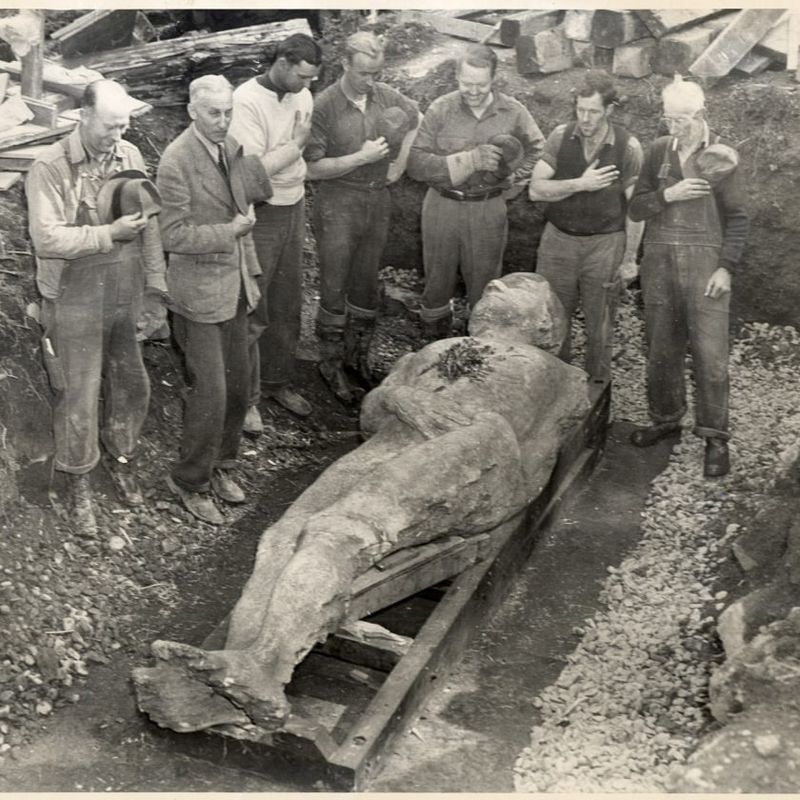
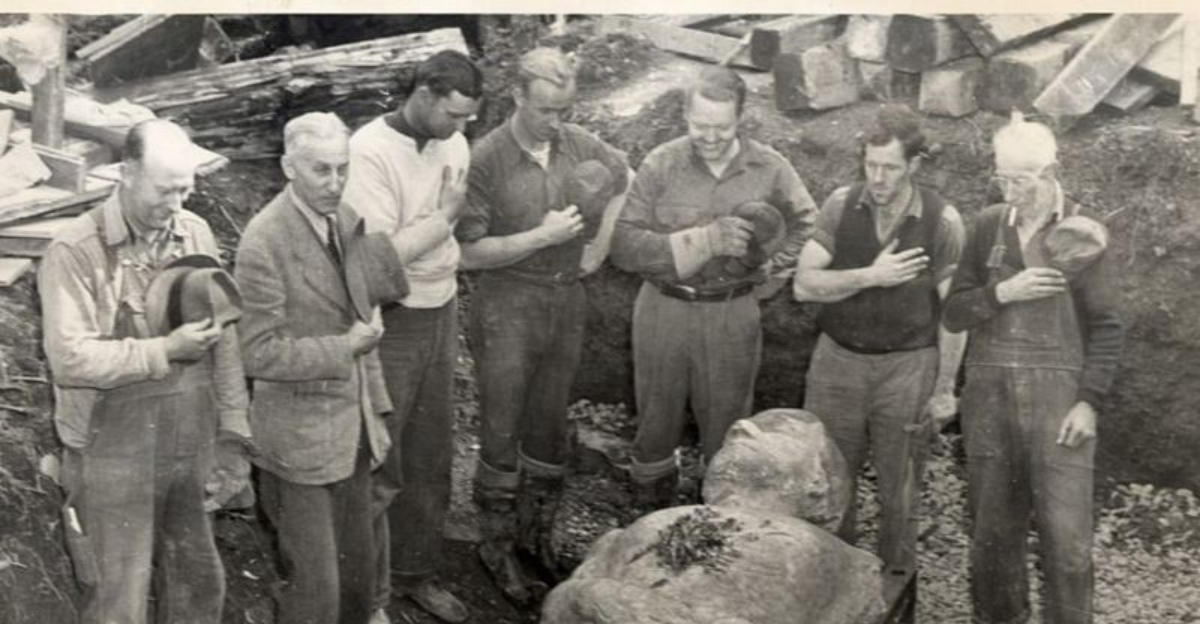
Back in 1869, a group of workers in Cardiff, New York, dug up what appeared to be a massive petrified man over ten feet tall. Crowds paid good money just to stare at it.
Scientists, clergy, and curious citizens all debated whether it was a biblical giant or an ancient human fossil.
The truth? It was a carved gypsum statue secretly buried by a man named George Hull to settle a religious argument.
Even after it was exposed as fake, a replica made by P.T. Barnum drew enormous crowds.
People wanted so badly to believe in something extraordinary that logic took a back seat. The Cardiff Giant remains one of the most profitable hoaxes in American history.
The Piltdown Man
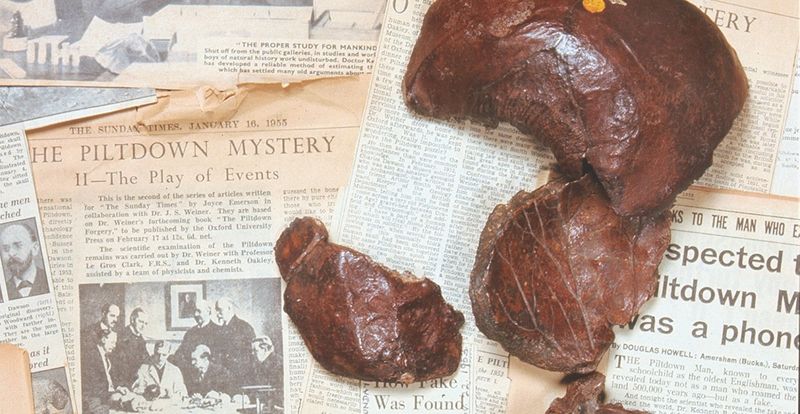
For over forty years, the Piltdown Man was considered the missing link between apes and humans. Discovered in England in 1912, the skull fragments seemed to confirm what many scientists desperately wanted to find — proof of early human evolution in Britain.
Entire careers were built around studying and defending this discovery. Then in 1953, advanced testing revealed the whole thing was a fraud.
Someone had combined a human skull with the jawbone of an orangutan and filed the teeth to make them look human.
The hoax succeeded partly because respected experts vouched for it without enough skepticism. It shows how even brilliant scientists can be blinded by confirmation bias — believing what they hope is true rather than what the evidence actually shows.
The War of the Worlds Radio Broadcast
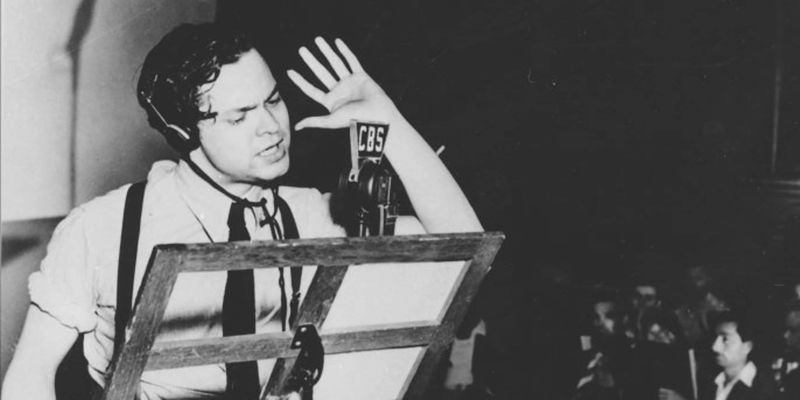
On October 30, 1938, Orson Welles narrated a radio drama so realistic that thousands of Americans genuinely believed Martians had invaded New Jersey. The broadcast was an adaptation of H.G.
Wells’ novel, presented as breaking news bulletins interrupted by music.
People who tuned in late missed the disclaimer and panicked. Some reportedly fled their homes, clogged phone lines, and drove frantically to escape the supposed alien attack.
Newspapers the next day were filled with accounts of mass hysteria across the country.
While historians have since questioned the scale of the panic, the event proved how powerfully believable media can be when it mimics trusted formats. A well-timed fake newscast can short-circuit even a rational person’s critical thinking in seconds.
The Surgeon’s Photograph of the Loch Ness Monster
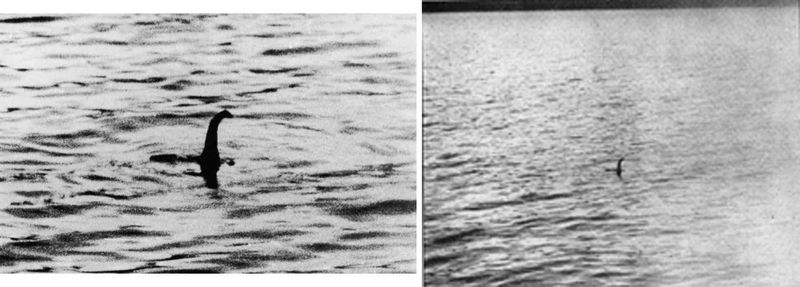
Published in 1934, this blurry black-and-white photo appeared to show a long-necked creature rising from the dark waters of Loch Ness in Scotland. It was attributed to a respected London surgeon named Robert Kenneth Wilson, which gave it immediate credibility.
For decades, the image fueled global fascination with the legendary Loch Ness Monster. Scientists analyzed it, documentaries featured it, and tourists flocked to Scotland hoping to spot the beast themselves.
The confession came in 1994. A man named Christian Spurling admitted on his deathbed that the photo showed a toy submarine fitted with a sculpted head.
The surgeon’s name had been used to make it seem trustworthy. Turns out, a famous title next to a fuzzy photo is all it takes to fool the world for sixty years.
The Hitler Diaries
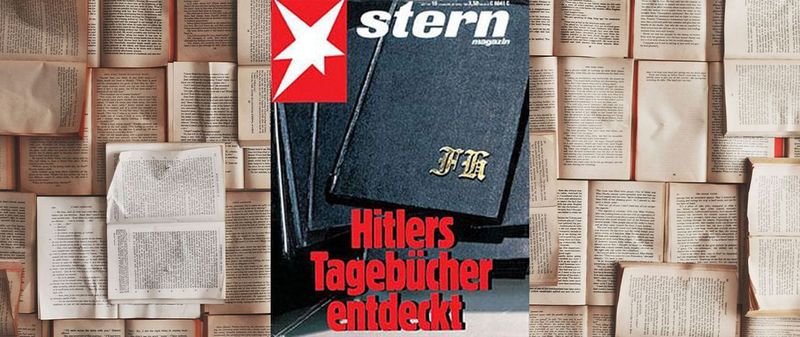
In 1983, the German magazine Stern announced it had obtained sixty volumes of Adolf Hitler’s personal diaries — a historical bombshell that stunned the world. Respected historians including Hugh Trevor-Roper initially authenticated the journals, calling them genuine and historically significant.
Major publications including Newsweek and The Times paid millions for publishing rights. Then forensic testing quickly revealed the diaries were forgeries.
The paper, ink, and binding materials all dated from after World War II.
Konrad Kujau, a Stuttgart forger, had faked the entire collection. What made so many smart people believe?
They wanted the story to be true. A once-in-a-lifetime historical discovery is hard to question when your career could be made by being the person who authenticated it.
The Cottingley Fairies
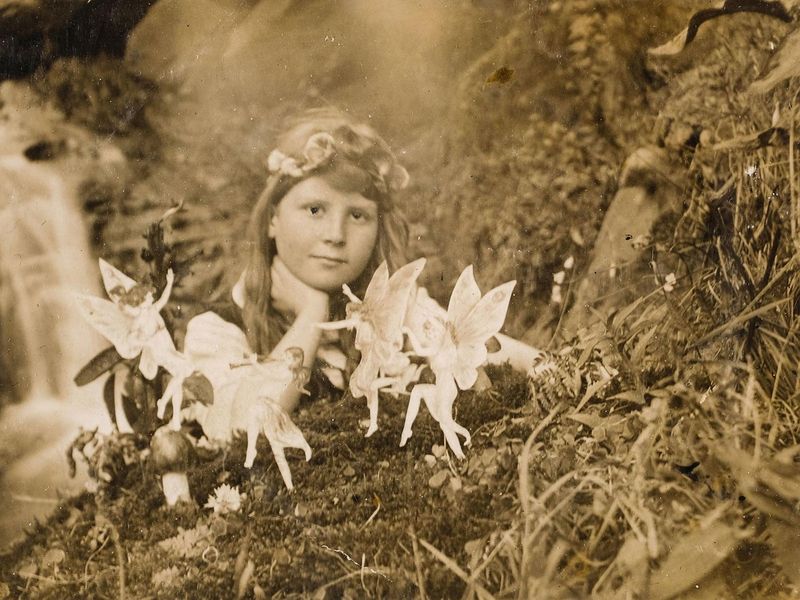
In 1917, two young cousins in England — Elsie Wright and Frances Griffiths — produced photographs showing themselves surrounded by tiny dancing fairies. The images were charming, delicate, and looked astonishingly real to the untrained eye.
Sir Arthur Conan Doyle, the brilliant creator of Sherlock Holmes, was completely convinced. He wrote articles defending the photos and even published them in a magazine.
The fact that a logical, analytical mind like Doyle’s believed the fairies were real made millions of others believe too.
Decades later, the cousins admitted the fairies were paper cutouts from a children’s book, propped up with hat pins. Elsie and Frances had created the hoax just for fun and never imagined anyone important would take it seriously.
Sometimes the most elaborate believers are the ones who want magic to exist.
The Tasaday Tribe

In 1971, the Philippine government announced the discovery of the Tasaday — a Stone Age tribe living in total isolation in a remote rainforest, untouched by modern civilization. The story was irresistible.
National Geographic ran a feature, and the world fell in love with the idea of a truly primitive society.
President Ferdinand Marcos declared their forest a protected reserve. Anthropologists lined up to study them.
Then, in 1986, journalists who sneaked past government restrictions found the Tasaday wearing modern clothes and living in nearby villages.
Many researchers concluded the tribe had been coached to act primitive for political and financial gain. The hoax worked because it played into deep human fantasies about undiscovered worlds and innocent, uncorrupted societies.
Sometimes the most believable stories are the ones we most want to be real.
The Sokal Affair
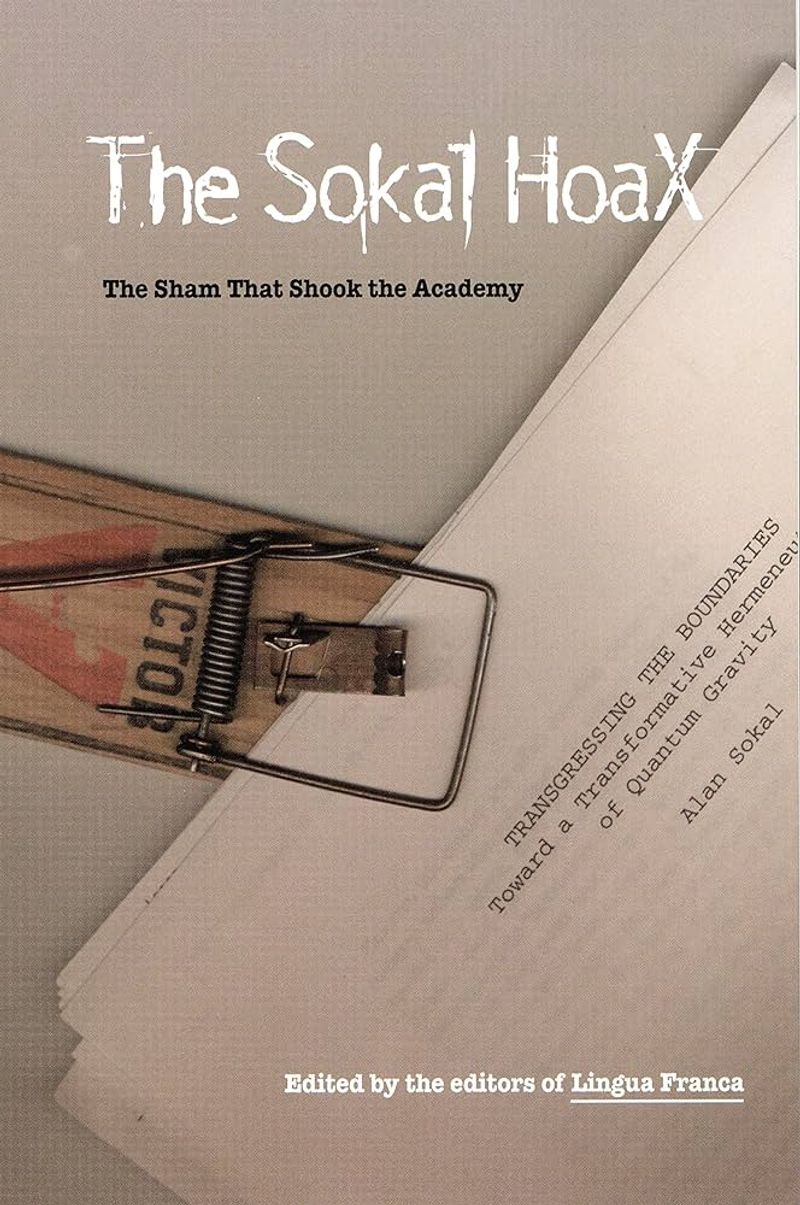
Physics professor Alan Sokal was frustrated by what he saw as sloppy, jargon-filled nonsense passing as serious scholarship in some humanities journals. So in 1996, he decided to run an experiment — he submitted a completely made-up academic paper to the prestigious journal Social Text.
The paper was filled with impressive-sounding but meaningless physics terminology, arguing that gravity was a social construct. Sokal fully expected the editors to reject it.
Instead, they published it without question.
When Sokal revealed the hoax in another journal the same day, it caused an academic earthquake. His stunt raised serious questions about peer review standards and whether complex-sounding language can substitute for actual evidence.
Smart people in prestigious positions had been so impressed by the vocabulary that they never stopped to check whether the argument made any sense.
The Vinland Map
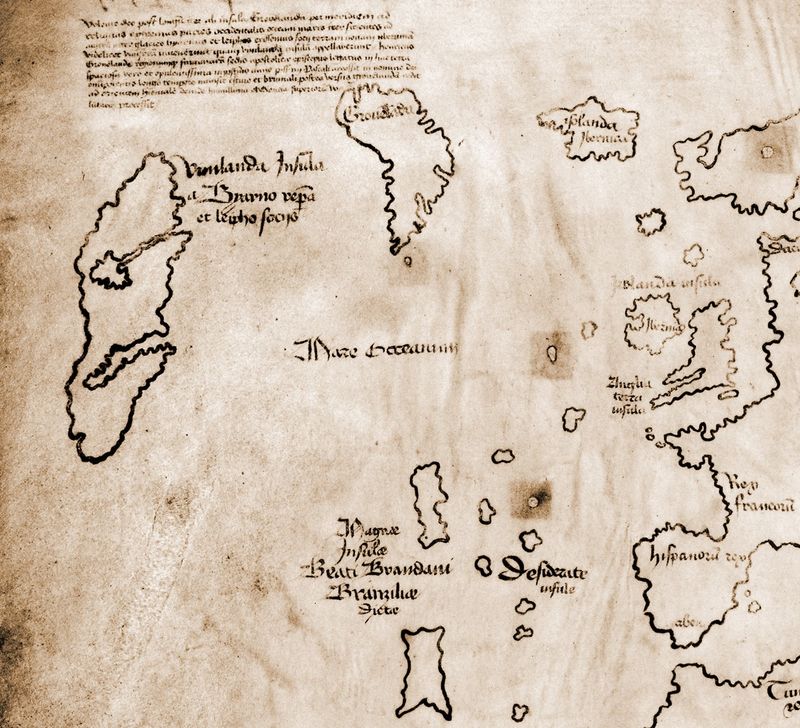
When Yale University announced in 1965 that it had obtained a 15th-century map showing a landmass labeled Vinland — proof that Vikings reached North America before Columbus — historians were electrified. The map appeared genuine, the parchment was old, and the implications were enormous.
Yale published a detailed scholarly book about it. The media went wild.
Then, over the following decades, chemical analysis repeatedly found suspicious evidence. The ink contained a compound called anatase that wasn’t commercially produced until the 20th century.
Despite ongoing debate among experts about whether it is real or forged, the map remains one of history’s most contested documents. The Vinland Map shows that even when red flags exist, the desire to rewrite history can keep a hoax alive through decades of argument and counter-argument.
The Protocols of the Elders of Zion
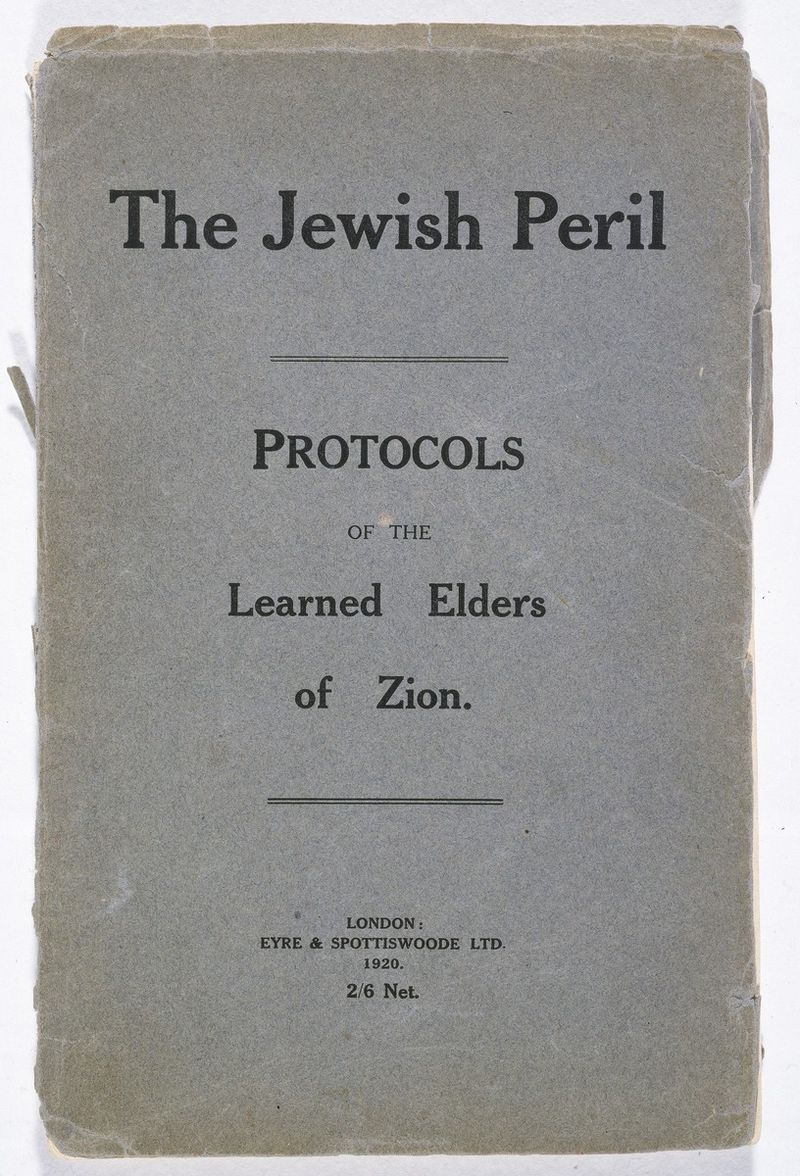
Few hoaxes have caused more real-world damage than this one. First published in Russia around 1903, the Protocols claimed to be the minutes of a secret Jewish meeting plotting world domination.
The document was detailed, dramatic, and written in a tone that mimicked legitimate political strategy.
It spread rapidly across Europe and the United States, fueling vicious antisemitism. Henry Ford distributed millions of copies.
Adolf Hitler cited it as justification for Nazi ideology and the Holocaust.
By 1921, journalist Philip Graves proved definitively that the text was plagiarized from an 1864 French political satire that had nothing to do with Jewish people. Yet the forgery continued to circulate and is still used by hate groups today.
No hoax better illustrates how dangerous a convincing lie can be when it targets vulnerable communities.
The Balloon Boy Hoax
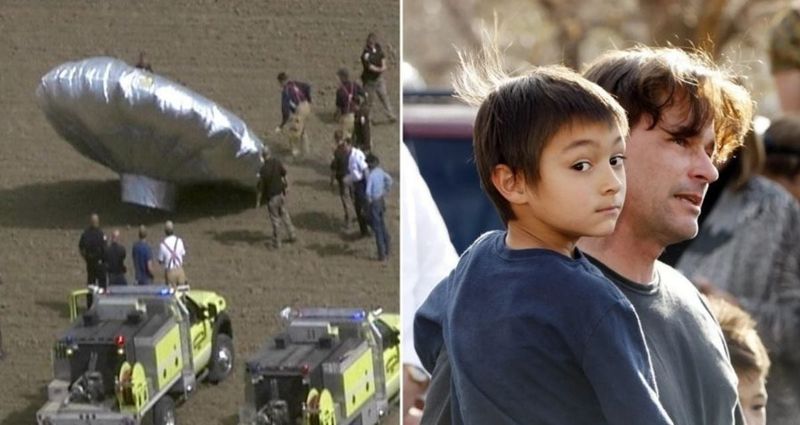
On October 15, 2009, the entire United States watched a giant homemade helium balloon float across the Colorado sky, convinced that a six-year-old boy named Falcon Heene was trapped inside. News networks broke into regular programming.
Emergency crews scrambled. The nation held its breath for hours.
When the balloon landed, it was empty. Falcon was eventually found hiding in the attic of his family home.
Authorities initially assumed it was a tragic accident, but the story quickly unraveled.
The Heene family, it turned out, had staged the entire event hoping to land a reality TV show. What made it so convincing was the live footage of the balloon combined with a hysterical father’s performance on camera.
Falcon himself accidentally revealed the plan on a live interview, asking his dad, “You guys said we did this for the show.”
The Paul is Dead Conspiracy
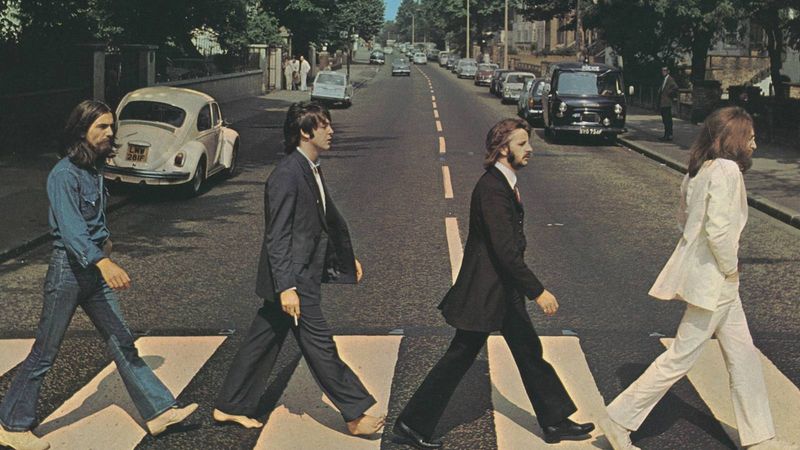
Starting in 1969, a wild rumor spread that Beatle Paul McCartney had secretly died in a car crash in 1966 and been replaced by a lookalike named William Campbell. Fans began hunting for clues hidden in Beatles albums, finding backward messages, cryptic lyrics, and suspicious imagery.
The Abbey Road cover was analyzed obsessively — Paul walking barefoot was said to symbolize a corpse. The license plate on a nearby car supposedly read “28 IF,” meaning Paul would have been 28 if he had lived.
Radio DJs reported it as if it were breaking news. Thousands believed it.
Paul McCartney himself had to give a live interview to prove he was alive. The hoax thrived because it gave fans a puzzle to solve, turning a wild idea into an addictive, community-driven mystery.
The Crop Circle Craze
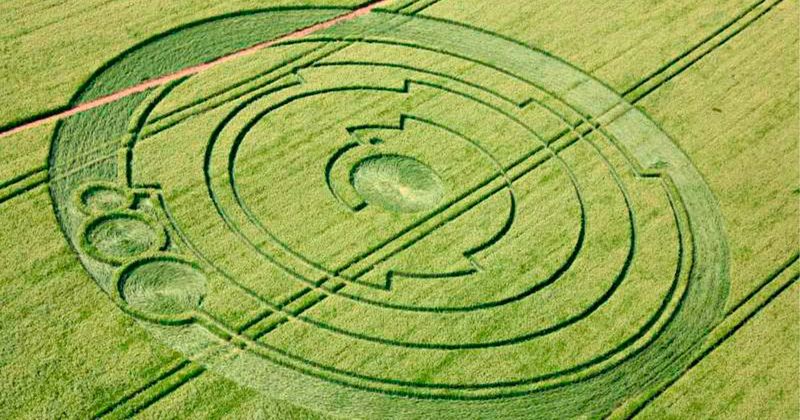
Through the 1980s and into the 1990s, elaborate circular patterns began appearing overnight in English wheat fields. Researchers called cereologists studied them intensely, claiming the formations were too precise and complex to be human-made.
Some scientists suggested plasma vortices. Others were convinced it was alien communication.
Books were written, documentaries were filmed, and a whole subculture of believers formed around the phenomenon. Then in 1991, two men named Doug Bower and Dave Chorley stepped forward with a plank, a rope, and a baseball cap fitted with a loop of wire for sighting straight lines.
They had been making crop circles since 1978 as a prank. Demonstrations showed that human teams could create incredibly complex formations in just a few hours at night.
Yet even after the confession, many true believers refused to accept the explanation — a reminder that some hoaxes outlive their creators.