
Many women grow up hearing that a husband completes the picture of a good life. That idea is worth questioning, not to shame anyone who is married, but because it leaves out so much of what actually makes a life feel full. Whether you are single by choice, by circumstance, or simply wondering if your current relationship is working for you, the question of what you truly need deserves an honest look.
A Woman Does Not Need a Husband for a Full Life
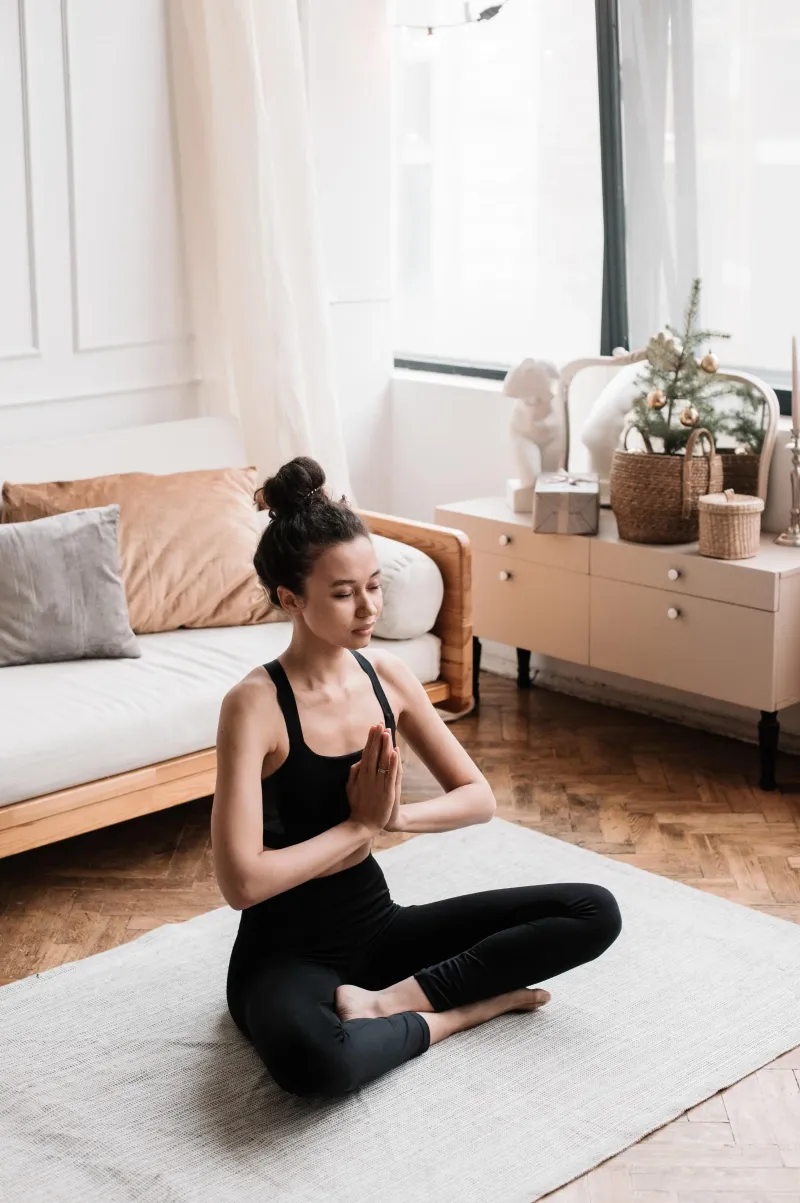
Somewhere along the way, a quiet but persistent message took hold: a woman without a husband is somehow incomplete. She is waiting, or she has given up, or she missed her chance. That message is worth setting aside, because the evidence does not support it.
A 2025 peer-reviewed study of 5,941 adults found that single women, on average, reported higher relationship-status satisfaction, life satisfaction, and sexual satisfaction than single men, and expressed less desire for a partner. That finding matters, and it also has a clear limit: the study compared single women with single men. It did not show that single women are happier or healthier than married women. Repeating the stronger version of that claim would be misleading, and you deserve accuracy.
Broader research, including findings summarized by Pew Research Center, consistently shows that well-being depends on relationship quality, social support, financial security, health, caregiving demands, and personal choice. Marital status is one variable among many, and it is far from the most important one.
The honest conclusion this article builds toward is this: a woman can have a loving, free, and joyful life without a husband. Singlehood can be healthier and more satisfying than staying in a relationship that is unequal, unsafe, or deeply unhappy. At the same time, a supportive partnership can also be a genuine source of companionship, practical help, and shared meaning. Neither path is universally better.
The standards worth measuring by are safety, dignity, reliable connection, health, and the freedom to make meaningful choices about your own life.
If you have been told, directly or indirectly, that your worth depends on having a husband, that story is not supported by the research, and it is not supported here.
Singlehood Does Not Equal Loneliness
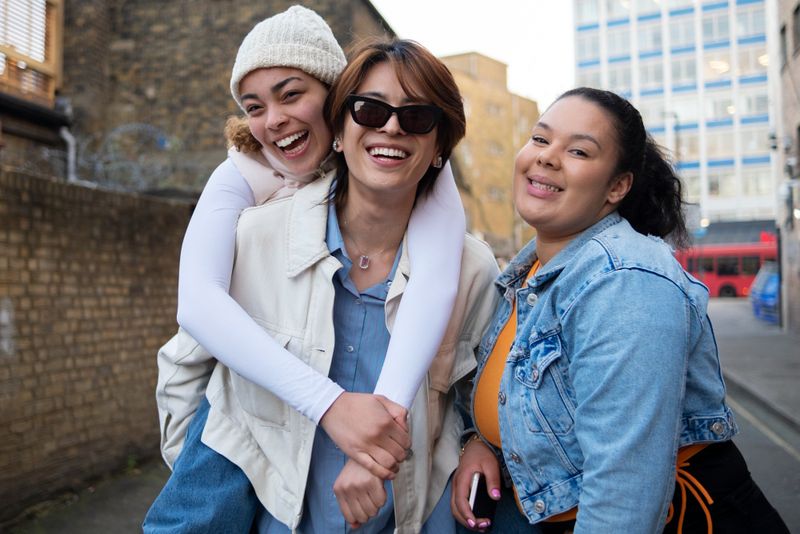
Living without a husband and feeling deeply lonely are two separate things. They can overlap, but they do not have to, and treating them as the same experience misses something important about how human connection actually works.
The National Institute on Aging draws a clear distinction between loneliness, which is the distressing feeling of being disconnected from others, and social isolation, which refers to having limited social contact. A woman can live alone and feel genuinely supported. A woman can share a home with a husband and feel profoundly unseen. Marital status does not determine either experience.
That said, loneliness is a real risk worth acknowledging honestly. U.S. surveillance data from 2022 found that loneliness was more common among people who had never married than among those who were married. Those are population-level patterns from a U.S. sample, not a prediction for any individual woman, and they do not mean that every single woman is lonely or that every married woman feels connected.
What the research does suggest is that the quality and reliability of your relationships matter far more than whether one of those relationships carries a legal certificate. A close friend who checks in regularly, a sister you can call at midnight, a neighbor who notices when something is wrong: these connections protect against the kind of loneliness that actually harms well-being.
The relevant question is not whether you have a husband. The relevant question is whether you have people in your life who genuinely see you, who you can count on during difficulty, and with whom you feel at ease being yourself. That network can be built, tended, and expanded at any point in life, regardless of your relationship status.
An Unequal Relationship Can Limit Autonomy

One of the most concrete ways a relationship can shape a woman’s daily life is through time. Not in a romantic sense, but in the most practical one: who does the dishes, who manages the school schedule, who stays home when a child is sick, who keeps track of everyone’s appointments.
According to the U.S. Bureau of Labor Statistics American Time Use Survey for 2023, women were more likely than men to do household activities on an average day and spent more time on those activities when they did. Separately, Pew Research Center data on gender and parenting show that wives frequently carry more caregiving and housework even in households where they are the primary earner.
These are U.S. figures, and patterns in Germany, Austria, and Switzerland may differ in important ways. What the data illustrate is a general tendency: in many households, an unequal distribution of unpaid labor is not imagined, it is measurable. If you have felt that the mental and physical load inside your relationship falls mostly on you, that experience is not unusual and it is not irrational.
Here is where careful qualification matters. Leaving or avoiding an unequal partnership may reduce some partner-related unpaid labor for some women. For others, it increases total responsibility, because a single woman managing a home, children, a job, and financial decisions alone may carry a heavier overall load than she did inside an imperfect partnership. The answer is not the same for every woman.
Autonomy, when it comes, tends to feel like control over your own schedule, your own money, and your own daily decisions. Whether that gain outweighs the added responsibilities of sole management is something only you can assess, with full information about your own circumstances.
Love Can Take More Than One Form

The assumption buried inside the phrase “finding love” is that love arrives primarily through a romantic partner, and that without one, a woman is living in a kind of emotional deficit. That picture is too narrow to be useful.
Research on single adults and social support, including a study examining how relationship status connects to social support and well-being, suggests that single adults can maintain strong friendships and family ties. At the same time, the same research notes that unmarried people may perceive less dependable support in certain situations, and that social discrimination against single people can make their relationships less visible or less valued by others. Both things can be true at once.
Love, in the practical sense, shows up in a lot of places. A longtime friend who remembers your history. A parent or sibling who is genuinely present during a hard season. A child who reaches for your hand.
A community, a faith group, a creative practice, or a pet that gives your days warmth and texture. Meaningful work that connects you to something larger than yourself. The quiet satisfaction of respecting your own limits and knowing what you actually want.
None of these sources of connection are lesser versions of love. They are different expressions of it, and for many women they form a rich and sustaining network.
What the NIA guidance on staying connected emphasizes is that reliable, recurring contact with trusted people is what actually protects well-being. The legal or romantic category of that contact is less important than its consistency and quality. A woman who cultivates several real relationships is not settling for less than a marriage. She may be building something that sustains her more fully.
Relationship Quality Matters More Than Marital Status
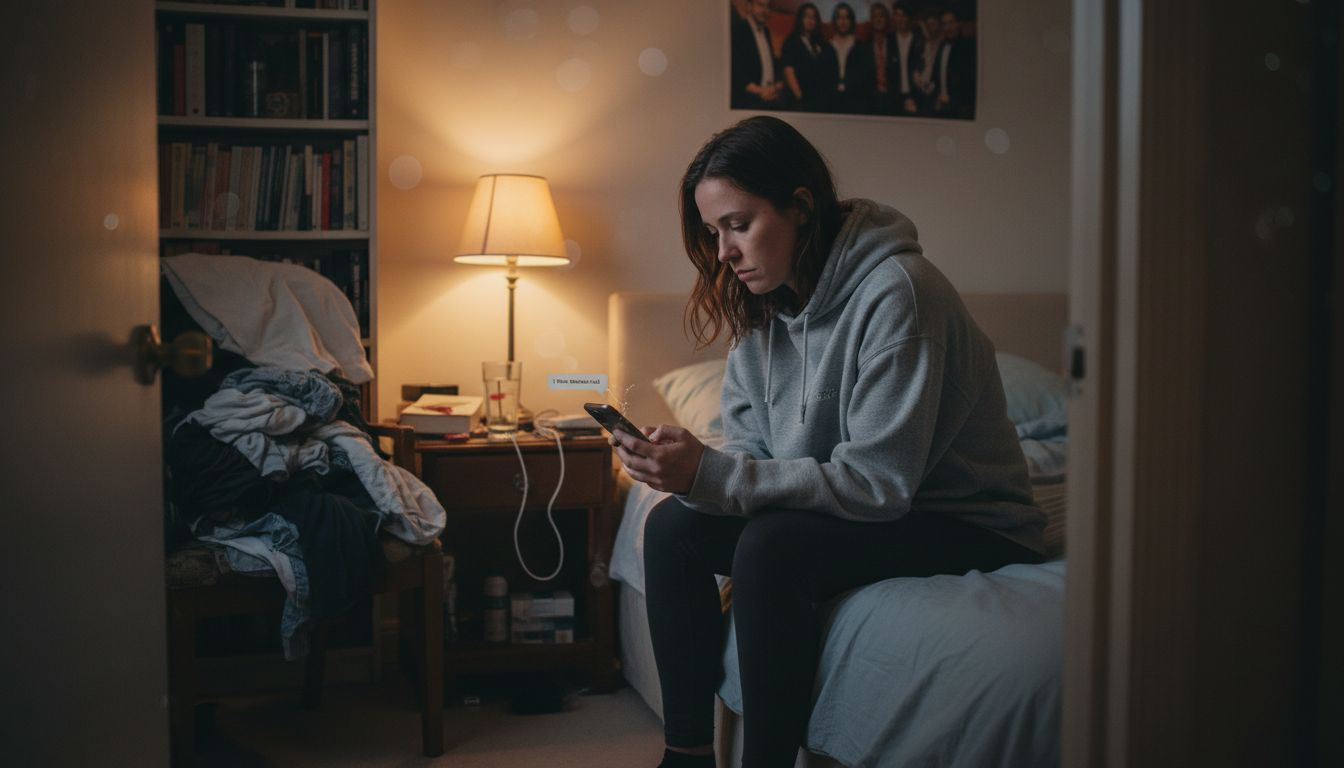
Married versus single is the comparison most people reach for, but it is not the most useful one. A more informative question is whether a relationship, any relationship, supports a person’s health, safety, and sense of self.
A meta-analytic review of marital quality and health found that the quality of a marriage, not just its existence, is strongly associated with mental and physical health outcomes. High-conflict or emotionally cold relationships were linked with worse outcomes than being single, while supportive, low-conflict relationships were associated with better outcomes. The marriage itself is not the active ingredient. The quality of what happens inside it is.
Historical data from the CDC and National Center for Health Statistics on marital status and health have found associations between marriage and certain health advantages in U.S. samples, but the same data explicitly discuss two competing explanations: a “marriage protection” effect and a “marital selection” effect, meaning healthier, wealthier, and more socially connected people may be more likely to marry in the first place. Correlation between marital status and health does not prove that marriage causes better health.
Age, income, access to health care, employment, social networks, and household circumstances all shape well-being independently of whether someone is married. A woman who is married but financially dependent, socially isolated, and living with ongoing conflict is not protected by her marital status. A woman who is single, financially stable, and embedded in reliable relationships may be doing considerably well.
Research on adolescents and emerging adults, such as this systematic review on romantic relationships and well-being, offers useful context for younger people specifically, but should not be used to draw conclusions about adult women’s experiences of marriage and singlehood. Adult relationship research tells a more relevant story: quality, not status, is what matters most.
Build Connection Deliberately
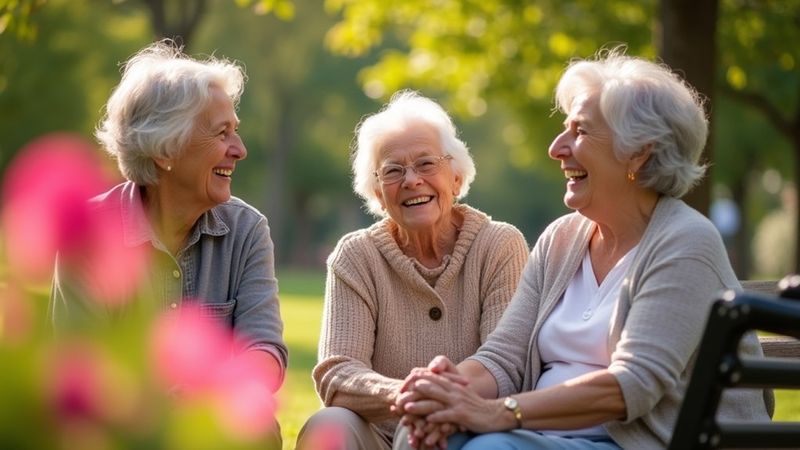
Knowing that reliable relationships matter more than marital status is useful only if it leads somewhere practical. The next step is building and tending those relationships with some intentionality, because strong social ties rarely maintain themselves without effort.
The National Institute on Aging recommends several concrete practices for staying connected: maintaining regular contact with trusted people, joining activities or classes that create recurring opportunities to meet others, volunteering, exercising with other people, and participating in community or faith organizations. These are not prescriptions for happiness, and following them does not guarantee that singlehood will feel joyful. They are practical ways to reduce the risk of isolation and to create the kind of consistent, low-stakes contact that allows real relationships to form.
One specific area worth thinking through carefully is who you would call in a genuine emergency. Not a friend you text occasionally, but someone who would rearrange their day if you were ill, injured, or in a crisis. If that list feels thin, building it is worth prioritizing before the emergency arrives.
Recurring contact is more protective than occasional intensity. A weekly walk with a neighbor, a regular video call with a sibling, a monthly dinner with a small group of friends: these habits create a social fabric that holds over time. Grand gestures of connection tend to fade. Quiet, consistent ones tend to last.
None of this is pressure to fill every hour with social activity. Rest, solitude, and time for your own interests are also part of a sustainable life. The goal is not constant company. The goal is knowing that when you need someone, someone is genuinely there.
Pair Independence With Practical Planning

Living without a partner can bring a real sense of personal control. You decide how money is spent, how space is organized, how time is used, and what risks are worth taking. That autonomy is genuine, and for many women it is one of the most valued aspects of single life.
It also concentrates a set of practical responsibilities on one person. Income, housing, health care, retirement, caregiving for aging parents or children, and financial emergencies all land on the same set of shoulders. Planning ahead does not eliminate that weight, but it reduces the chance that a single difficult event, a job loss, a health crisis, an unexpected repair, becomes a cascading problem.
General planning areas worth reviewing with qualified professionals in your own country include: your current income and debt situation, retirement savings and expected pension or benefit income, housing security, health insurance coverage, emergency savings, beneficiary designations on accounts and insurance policies, a power of attorney for financial and health decisions if you become unable to make them yourself, and a current will.
The U.S. Consumer Financial Protection Bureau’s retirement planning guidance addresses how single people in the United States approach Social Security claiming decisions and later-life financial security without a spouse’s income or survivor benefits. Those specific rules apply only in the U.S. context. If you live in Germany, Austria, or Switzerland, retirement income, pension rights, health coverage, and legal protections work differently, and a qualified financial or legal advisor in your country is the right starting point for that conversation.
The CFPB’s broader retirement planning tools offer useful frameworks for thinking about income, expenses, and long-term security, even if the specific programs they reference are U.S.-based. Adapt the questions, not the answers, to your own situation.
Put Safety Before a Clean Break

For some women reading this article, the question of life without a husband is not abstract. It is urgent. If your partner monitors your phone, controls your money, isolates you from friends or family, threatens you, or frightens you in ways that are hard to name out loud, the path forward requires more than a decision. It requires a plan that keeps you safe.
According to the CDC’s definition of intimate partner violence, this category includes physical violence, sexual violence, stalking, and psychological aggression. Psychological aggression, which includes controlling behavior, humiliation, threats, and intimidation, can be as damaging as physical harm and is often harder for others to recognize from the outside.
Telling someone in this situation to simply leave is not responsible advice. Leaving can be the most dangerous moment in an abusive relationship, particularly when a partner has made threats, controls finances, or has a history of escalating behavior. The National Domestic Violence Hotline’s guidance on safety planning while still living with an abusive partner outlines steps that can reduce risk before, during, and after a separation, including identifying safe people to contact, securing important documents, and preparing financially.
That resource is a U.S.-based service. If you are in Germany, Austria, or Switzerland, confidential domestic violence support is available through national and regional organizations that understand local legal protections, housing options, and safety resources. Reaching out to one of those services, even just to talk through your situation, is not a commitment to any particular action. Your autonomy matters, and so does your safety.
The goal is to pursue both at the same time, not to trade one for the other.
Ask Whether Your Life Supports You

After all the research, the caveats, and the practical guidance, one question tends to cut through more clearly than any comparison between married and single life: does the life you are living right now actually support you?
Support means more than not being miserable. A life that supports you is one where you feel physically safe. Where your dignity is treated as a given, not something you have to earn or defend. Where you have enough connection to feel genuinely seen.
Where your health is something you can attend to. Where you have some real say over the decisions that shape your days.
The meta-analytic evidence on marital quality and health reinforces what many women already sense: the category you belong to, married or single, tells you less than the quality of what is actually happening inside your relationships. A healthy marriage can be deeply sustaining. Singlehood, for some women, brings relief, autonomy, and a quieter kind of fullness. Neither outcome is universal.
Both are real.
The 2025 study on single women’s well-being is worth remembering for one thing in particular: the single women in that sample were not waiting to begin their lives. They were living them, and reporting meaningful satisfaction while doing so. That is not a ceiling. For many women, it is a starting point.
You do not need a husband to have a complete life. You also do not need to be single to have one. What you need is a life built around conditions that allow you to actually flourish. Whether that includes a partner, or not, is a question only you can answer, and you are allowed to keep asking it.