
You apologize for things you didn’t even do, just to make the tension in the room disappear. If that sounds familiar, you’re not weak or dramatic, you’re likely dealing with someone who has learned that silence hurts more than shouting. A narcissist rarely yells to get their way, because they’ve figured out that quiet punishment leaves you guessing and blaming yourself. Learning to name these silent tactics can help you see the game clearly and start protecting your own peace.
1. The Stone-Cold Silent Treatment

Picture coming home excited to share something, only to be met with a partner who acts like you’re invisible. No eye contact, no answers, just a chilling quiet that fills every room in the house.
The silent treatment works because human beings are wired to crave connection. When someone we love suddenly withdraws all of it, our brain reads that absence almost like physical pain. Psychologists often note that this kind of stonewalling can leave you anxious, jittery, and desperate to fix whatever went wrong, even when you did nothing.
The cruel part is how the silence puts all the pressure on you. You start replaying conversations, searching for your mistake, and eventually you apologize just to end the freeze. That apology is exactly the goal, and once you give it, the warmth may flip back on like nothing happened.
If you notice yourself constantly breaking the silence first, that pattern is worth paying attention to. You deserve a relationship where quiet means peace, not punishment.
2. Withdrawing Affection Like a Switch

One day you’re showered with warmth, and the next you can’t get a hug, a kind word, or even a simple good morning. That sudden coldness isn’t random, and it isn’t your imagination either.
Pulling back affection on purpose is a way to remind you what you supposedly stand to lose. It keeps you chasing the good version of your partner, working overtime to earn back the tenderness you thought was freely yours.
Experts sometimes describe this as intermittent reinforcement, the same unpredictable reward pattern that makes slot machines so addictive. When love arrives only sometimes, you cling harder and blame yourself when it disappears.
The result is a woman who apologizes just to feel wanted again. Real love should not feel like a prize you have to win back after every disagreement, and recognizing this pattern can be the first step toward wanting something steadier.
3. The Guilt-Loaded Sigh and Sulk
Not every punishment comes wrapped in total silence. Sometimes it arrives as heavy sighs, slammed cabinet doors, and a face that broadcasts disappointment without a single explanation.
The sulking act is designed to make you ask, over and over, what’s wrong. And when you finally do, the answer is usually a clipped nothing that somehow makes you feel guiltier than a full confrontation ever could.
What makes this tactic so sneaky is that it keeps the person’s hands clean. They never actually accuse you of anything, so you can’t defend yourself, yet you still end up carrying the blame for their bad mood.
You might find yourself tiptoeing around the house, adjusting your tone, offering apologies for a crime nobody named. Over time this teaches you that their feelings always outweigh yours, which is a heavy burden no one should quietly accept.
4. Rewriting the Story Until You Doubt Yourself

“That never happened. You’re remembering it wrong. You’re too sensitive.” If those phrases echo in your memory, you’ve likely met one of the quietest and most damaging punishments of all.
Gaslighting doesn’t raise its voice. Instead it slowly chips away at your confidence in your own memory until you’re the one apologizing for events you clearly witnessed. When your version of reality keeps getting overwritten, you stop trusting yourself, which is exactly the point.
Psychologists warn that steady exposure to this can leave a person second-guessing everything, from big decisions to tiny daily choices. You become easier to steer because you no longer believe your own eyes.
The saddest sign is when you catch yourself saying sorry just to make the confusion stop. Your memory and your feelings are valid, and holding onto that truth can be a lifeline when someone keeps trying to bend it.
5. Freezing You Out of the Inner Circle

Suddenly you’re the last to know about plans, left off the family group chat, or quietly excluded from decisions you used to be part of. Being pushed to the edges of your own relationship stings in a way that’s hard to put into words.
Social exclusion is a punishment that works even without direct words. By withholding you from the loop, a narcissist signals that your place at the table depends entirely on their approval.
It can feel especially cruel for a devoted partner or mother who has poured herself into the family. You start wondering what you did to deserve the cold distance, then scramble to prove you’re worthy of being included again.
That scramble often ends in an apology, which restores your seat, at least until next time. But belonging in your own home should never come with conditions you have to keep re-earning.
6. Punishing Through Petty Neglect
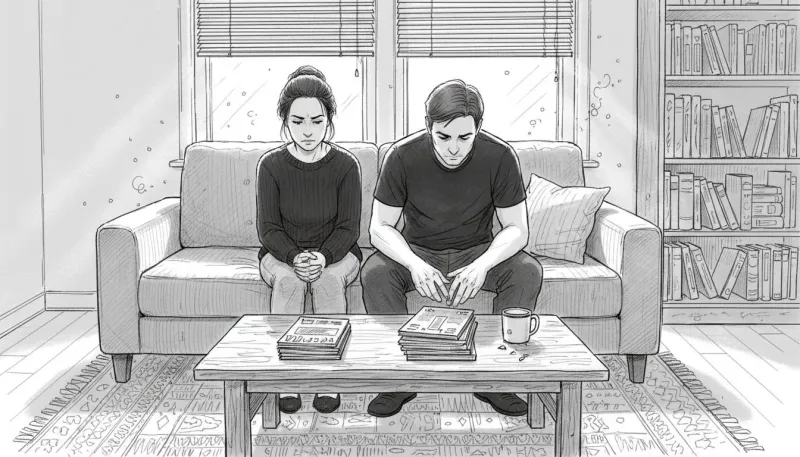
He forgot to pick up your prescription. Again. He didn’t pass along the message from your mom, and dinner plans mysteriously fell apart the night you needed him most.
Small, deliberate neglect is punishment disguised as forgetfulness. Chores go undone, promises quietly evaporate, and your needs slip to the very bottom of the list, all as a way to remind you where you rank when you’ve displeased him.
The genius of this move is its deniability. He can shrug and call it an honest mistake, leaving you feeling petty for being upset over something so small, even though the pattern tells a very different story.
Eventually you may apologize just to get back into his good graces so the neglect stops. A partner who truly values you follows through because he cares, not as a reward for your obedience, and noticing that difference matters more than you might think.