
Ever felt that pang of guilt when you see a missed call and a long voicemail from someone who has hurt you before? A narcissist knows exactly how to use that little recording to pull you back in. The words might sound sweet, sad, or even angry, but the goal is almost always the same: make you feel bad enough to answer. Understanding these six common voicemail patterns can help you see the manipulation clearly and protect your own peace.
1. The Sudden Health Scare

Picture your phone lighting up late at night, and the voice on the recording sounds shaky and weak. He mentions chest pains, a hospital, or something vague that he cannot quite explain. Suddenly the silence you fought so hard to keep feels selfish and cold.
Psychologists often point out that a fake or exaggerated emergency is one of the fastest ways to override your boundaries. Your caring heart is the target here, because he knows you would never forgive yourself if something were truly wrong. That worry is exactly what he is counting on.
What makes this one so sneaky is how hard it is to check. You cannot see him, so you fill in the blanks with your own fear. In many cases the crisis quietly disappears the moment you respond, which tells you more than any of his words ever could.
Trust your gut if these emergencies only seem to happen right after you pull away. A pattern of perfectly timed panic is rarely a coincidence, and your peace is worth protecting even when guilt whispers otherwise.
2. The Fake Apology That Blames You

“I’m sorry, but you know how you get.” If a voicemail starts like an apology and ends with a jab at you, you have met this classic move. It wears the costume of remorse while quietly handing you the blame.
A real apology names the harm and stops there. What you get instead is a mix of sweet words and small accusations, so by the end you are somehow the one who owes him an explanation. Experts describe this as a way to keep you responsible for his behavior.
The clever part is the confusion it creates. You replay the message, trying to figure out if he was kind or cruel, and that mental tug-of-war often pulls you back to the phone. Feeling foggy after listening is not a flaw in you; it is the whole point of the design.
Notice whether his sorry ever comes without a but attached. When accountability keeps slipping back onto your shoulders, the apology was never really meant to heal anything.
3. The Nostalgic Trip Down Memory Lane

Out of nowhere he brings up the beach trip, the song from your first date, or that inside joke only the two of you understood. His voice softens, and for a moment your chest aches with the good memories. That warm pull is not an accident.
Reminding you of the highlight reel is a way to reawaken the version of him you first fell for. Psychologists note that narcissists often lean on shared history because it stirs up longing and makes the painful parts feel far away. You start remembering the love and forgetting the reasons you left.
What separates this voicemail from the others is that it feels genuinely tender, so it slips past your defenses. There is no anger to reject and no crisis to question, just sweetness that makes ignoring him feel almost heartless.
Hold on to the full story, not just the pretty parts. Memories are real, but so were the moments that taught you to step back, and both deserve a place when you decide what to do next.
4. The Guilt-Loaded Self-Pity Speech
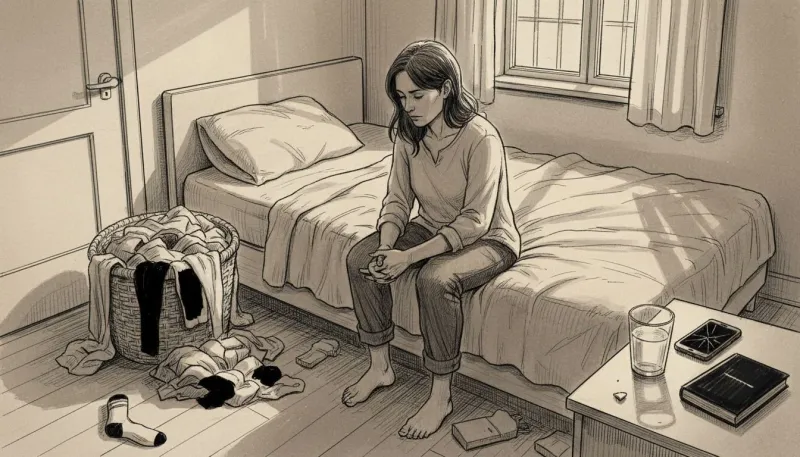
Some voicemails are basically a sad monologue about how alone, misunderstood, and broken he feels without you. He might mention not sleeping, not eating, or wondering what the point of anything is anymore. The weight of it lands squarely on your conscience.
By painting himself as the wounded one, he flips the roles so completely that his hurt becomes your emergency. Relationship experts often call this a bid for rescue, where your empathy gets used as a rope to reel you back. You end up comforting the very person who caused your pain.
The tricky thing is that some of his sadness may even be real, which makes it feel wrong to walk away. But being sad and being someone you owe your energy to are two very different things.
You are allowed to feel compassion without becoming his solution. Caring about a person does not require you to sacrifice your own healing to prop him up.
5. The Grand Promise of Change

“I’ve been going to therapy, I’ve changed, just give me one more chance.” A voicemail full of shiny promises can feel like the answer you have been waiting years to hear. He lists everything he will do differently, and hope quietly starts to bloom again.
Big promises are powerful because they speak straight to your longing for the relationship to finally work. Psychologists point out that words of change are cheap when they arrive only after you have pulled away, rather than as steady action over time. The timing usually reveals the true purpose.
What sets this message apart is that it targets your hope instead of your fear or guilt. It hands you a future so appealing that ignoring it feels like throwing away something precious.
Let his actions, not his voicemails, do the talking. Real growth shows up in consistent behavior across weeks and months, and it never needs a dramatic recording to prove itself.
6. The Cold Threat Disguised as Concern

Every so often the mask slips, and the voicemail turns sharp. He might warn that this is his last try, hint that someone else is already interested, or coolly say he is done chasing you. The chill in his tone is meant to rattle you.
Framing an ultimatum as concern for the relationship is a way to make you scramble to hold on. Experts describe this as fear of loss doing the manipulating, since the thought of him truly walking away can trigger panic even in someone ready to move on. He knows that fear can override your good judgment.
Unlike the tender messages, this one uses distance and threat instead of warmth. It dares you to prove you still care by answering before the door closes for good.
Take a breath before you let an ultimatum steer you. A love that only stays when you jump at every threat was never a safe place to rest, and choosing not to chase is its own quiet act of strength.