
Have you ever looked back at old family pictures and realized you were somehow missing from almost all of them? It might feel like a small thing, but the way a narcissist quietly leaves you out of photos can be one of the sneakiest ways they make your absence feel normal. Photos become a kind of record, a story about who mattered and who belonged, and being erased from that story hurts in a way that is hard to explain. Let’s walk through seven kinds of family photos where you may have been left out, and why noticing this pattern can help you trust what your heart already suspected.
1. The Holiday Gathering Shot
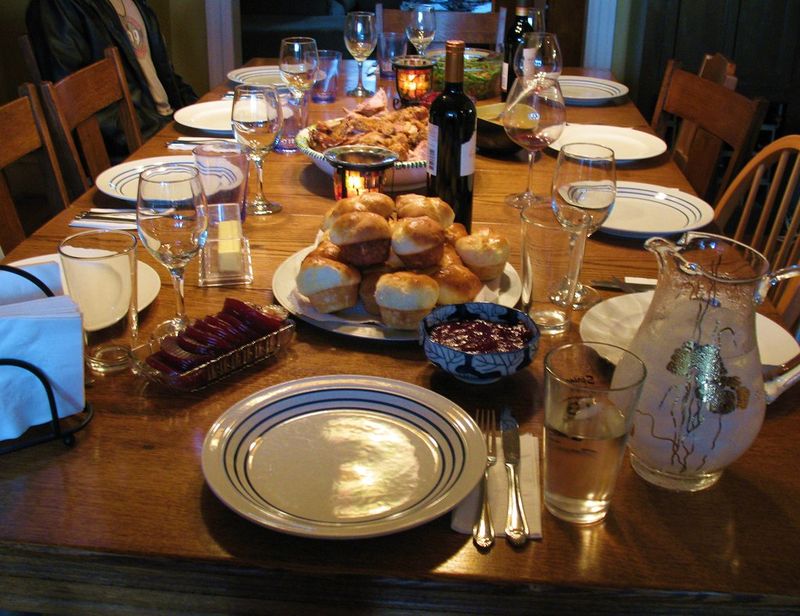
Picture the whole family crowded around the table, everyone laughing, and somehow you are the one holding the camera. Year after year, you may have been handed the phone or asked to “get a good angle” while everyone else piled in close.
A narcissist often makes this feel like a compliment, telling you that you take the best pictures. But being the permanent photographer means you slowly disappear from the record of every celebration.
When you look back later, the holidays seem to happen without you. That gap can quietly rewrite the family story so it looks like you were barely there, even though you did most of the cooking and cleaning.
Noticing who is always behind the lens can tell you a lot about who was allowed to be seen.
2. The Proud Milestone Moment

Graduations, new jobs, first homes, these are the moments families frame and hang on the wall. Strangely, in a home shaped by a narcissist, you may find yourself cropped out of the exact pictures that celebrate an achievement you helped make possible.
Maybe you drove someone to every rehearsal or paid for the tuition, yet the framed photo shows everyone but you. The narcissist often centers themselves in the credit, and the visual record follows their lead.
What stings is not vanity. It is watching your effort vanish from the memory while someone else stands in the spotlight you built.
If milestone photos keep leaving you on the sidelines, it may be worth asking who wrote the caption on those memories.
3. The Cozy Couch Group Selfie

Nothing looks more like a happy family than a spontaneous selfie squished together on the couch. Yet these casual, arm-stretched-out photos are surprisingly easy to control.
A narcissist can simply not call you over, angle the camera a certain way, or snap the picture the moment you step out of the room. It rarely feels intentional in the moment, which is exactly what makes it effective.
Because selfies feel so warm and unplanned, their absence of you reads as innocent. Nobody questions a fun couch photo, so nobody questions why you were not in it.
Over time, these little snapshots stack up into evidence that the family was close and comfortable, with you quietly edited out of the closeness.
4. The Vacation Highlight Reel
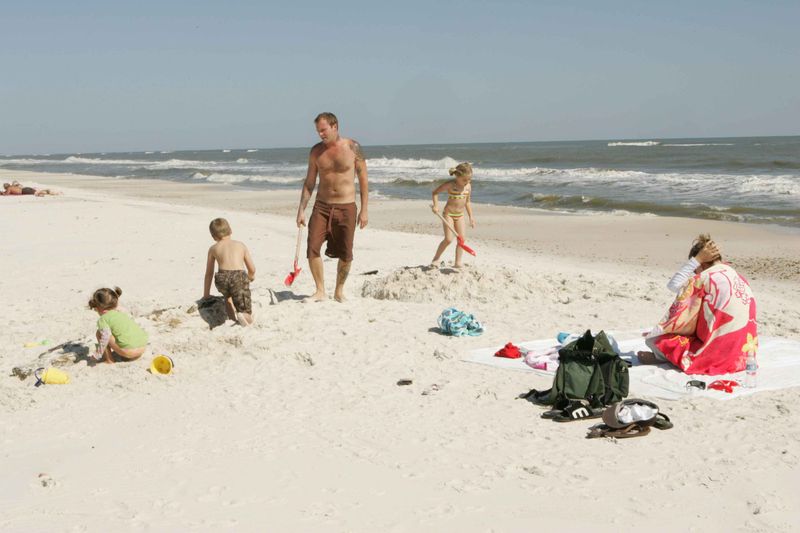
Trips create some of the most photographed moments of our lives, and that is precisely why they matter here. On a vacation shaped by a narcissist, you might notice you appear only in blurry background shots, if at all.
You may have booked the hotel, packed the bags, and kept everyone fed, but the scenic photos on the beach or in front of the landmark somehow feature everyone else. The story the album tells is a getaway you barely joined.
Later, when someone flips through those pictures, they see a carefree group and assume you chose to sit things out.
Travel memories carry a lot of emotional weight, so being missing from them can quietly convince others, and even yourself, that you were the distant one.
5. The Special Occasion Portrait
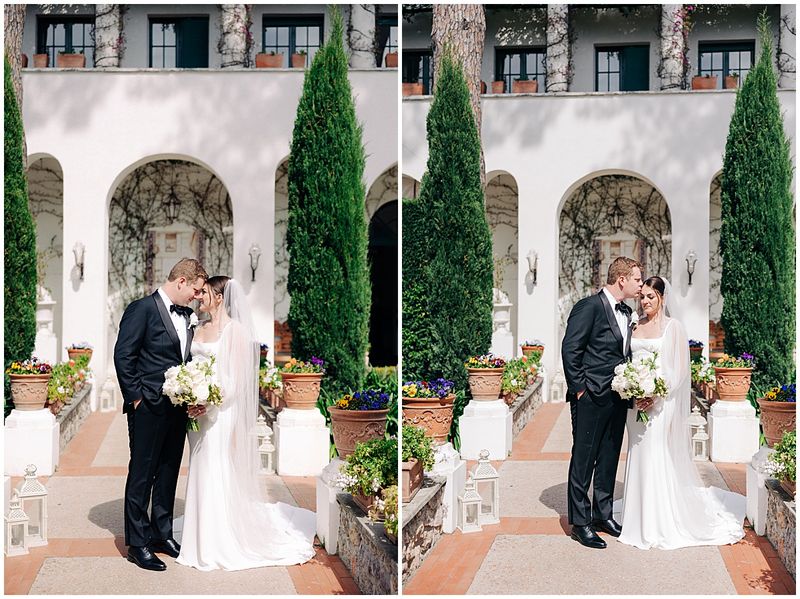
Weddings, anniversaries, and big birthdays usually come with a planned, dressed-up portrait, sometimes even a professional one. These are meant to be the official family picture, the one that gets printed and passed down.
When a narcissist arranges the grouping, you might be placed at the far edge, asked to hold a coat, or somehow not included in the final “real” shot. Because a photographer and a schedule are involved, it looks organized rather than exclusionary.
The result is a formal image that future generations will treat as the truth of that day. Your absence gets stamped as fact.
An occasion portrait carries authority, so when you are missing from it, people rarely stop to wonder why. That quiet authority is exactly what makes it worth noticing.
6. The Everyday Candid Snapshot

Not every meaningful photo is a big event. Sometimes it is a random Tuesday, kids playing in the yard, someone reading by the window, and a phone catching the moment.
Candid shots feel like proof of real, ordinary togetherness, which is why being left out of them cuts deep. A narcissist may consistently photograph the small, tender moments only when you happen to be busy or out of the frame.
Since these pictures look accidental, no one suspects a pattern. But when every quiet, loving moment on record excludes you, the accident starts to look like a habit.
Everyday photos are the ones that whisper who belonged in the fabric of daily life, and their steady absence of you speaks louder than any single missing portrait.
7. The Social Media Family Post

In today’s world, the most public family album lives online, and that stage is easy to curate. A narcissist can post a stream of “look at my beautiful family” pictures that quietly never include you.
Friends, coworkers, and extended relatives scroll past and form an impression of a close, happy household, one where your face simply does not appear. The caption might even thank everyone but you.
What makes this so powerful is the audience. It is not just a private photo in a drawer; it is a public message about who counts.
Being erased from the online version of the family can leave you feeling invisible in front of everyone you know, while the person posting looks warm and devoted. If your absence online feels deliberate, it may be time to trust that instinct.