You told yourself it was sweet at first, that he wanted to be close, that couples who trust each other share everything. But somewhere along the way, sharing a password stopped feeling like love and started feeling like surveillance. If you have ever felt a small knot in your stomach when he asks for one more login, you are not imagining it. Psychologists notice a pattern in how controlling partners collect access, and knowing the pattern can help you name what you already feel.
1. Your Phone Lock Code
The first thing a controlling partner usually wants is the little four-digit key to your entire life. Your phone holds your texts, your photos, your late-night conversations with your best friend, and he knows it.
At first the request sounds harmless. He says he just wants to send a message quickly, or that partners who love each other have nothing to hide. Slowly, the code becomes something he expects to have, and forgetting to update him after you change it turns into a fight.
What makes the phone code different from every other password is that it is the master key. Once he has it, he does not need to ask for anything else, because your whole world sits behind that one screen. Psychologists often describe this as the first foothold, the moment private space quietly stops being yours. You may notice you start checking who is nearby before you even open a text.
That quiet self-editing is worth paying attention to.
2. Your Social Media Logins
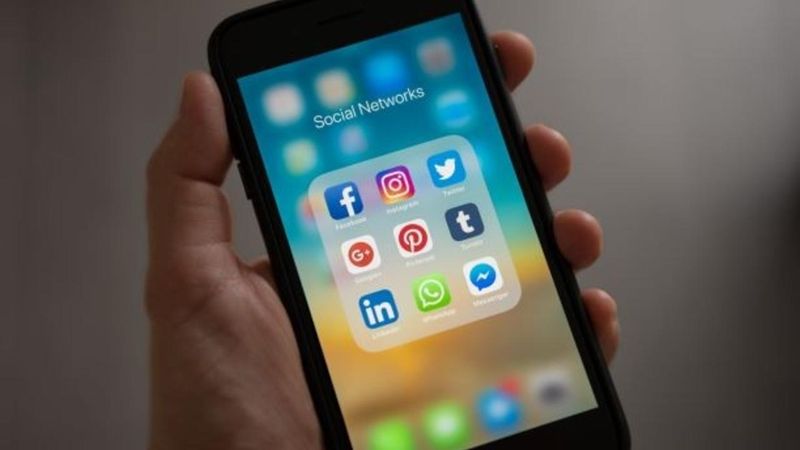
Here is where things get personal in a different way. Your social accounts are where you keep friendships, old connections, and the version of yourself that existed before him.
A partner who insists on your Instagram or Facebook password rarely stops at logging in. He starts reading your direct messages, questioning why a coworker liked your photo, or asking who that person from high school is. The account is still yours on paper, but every post now runs through a filter of what he might say.
The reason social media logins earn their own spot on this list is control over your image. It is not just about spying, it is about shaping how the world sees you and how you connect with people who might notice something is wrong. Slowly you post less, comment less, and drift from the friends who used to check in. Feeling like you have to shrink your online self to keep the peace is a signal, not a personality flaw.
3. Your Email Account

Email feels boring until you realize how much of your identity lives inside it. Bank alerts, doctor appointments, job offers, password reset links for everything else you own, all of it lands in one inbox.
A controlling partner who gets your email is not usually looking for gossip. He is looking for leverage and information, the kind that lets him know about a therapy appointment you did not mention or a message from a family member he does not like.
What sets email apart is that it is the recovery key to almost every other account you have. Whoever controls your email can quietly reset and take over your banking, your shopping, even your social profiles. Psychologists often point out that this kind of access can outlast the relationship itself, which is why it matters more than it seems. If the thought of him seeing your inbox makes you want to delete things first, that instinct is telling you something honest.
4. Your Banking and Money Apps

Money is one of the quietest ways a person can be trapped. When a partner insists on knowing your banking passwords, the story is usually wrapped in teamwork, saying couples should be transparent about finances.
Transparency is healthy when it runs both ways. The warning sign is when he wants full access to your accounts but keeps his own guarded, or when he questions every small purchase you make while spending freely himself.
The reason financial access deserves its own line is that it can quietly remove your ability to leave. A woman who cannot move her own money, cannot book a hotel, or cannot buy a bus ticket without him seeing has fewer safe exits, and controlling partners often understand that instinctively. You may not have called it control, maybe you called it him being careful with money. Noticing the difference between shared planning and one-sided monitoring can be a real turning point.
5. Your Location Sharing

Picture getting a text the second you arrive somewhere, before you have even parked. That is what happens when location sharing stops being a convenience and becomes a leash.
Many couples share their location for safety, and there is nothing wrong with that when both people agree to it freely. The shift happens when he demands it, checks it constantly, and treats a dead battery like a betrayal.
Location tracking is its own category because it controls your body in physical space, not just your accounts. He knows when you left, how long you stayed, and whether your story matches the map. Over time you might catch yourself narrating your day in advance just to avoid the interrogation later. Psychologists say that kind of anticipatory explaining, planning your answers before the question even comes, is often a sign that trust has been replaced by monitoring.
Wanting to move through your own day without a running commentary is not asking for too much.
6. Your Cloud Photos and Backups

Your photo cloud is a museum of your whole life, and that is exactly what makes it valuable to someone who wants power over you. Old pictures, screenshots you forgot about, notes to yourself, voice memos, all of it sits in one archive.
A partner who gets into your cloud can scroll back through years, hunting for something to bring up in an argument or to hold over you. Nothing you saved was ever meant to be evidence, yet suddenly it feels that way.
Cloud access stands apart because it reaches into your past, not just your present. Deleting a text does not always help when everything is backed up somewhere he can reach. The unsettling part is realizing there is no true delete, no private drawer left to close. If you have ever felt like your own memories could be used against you, that discomfort is pointing at a genuine loss of privacy, and it deserves to be taken seriously.
7. Your Private Journal or Notes App
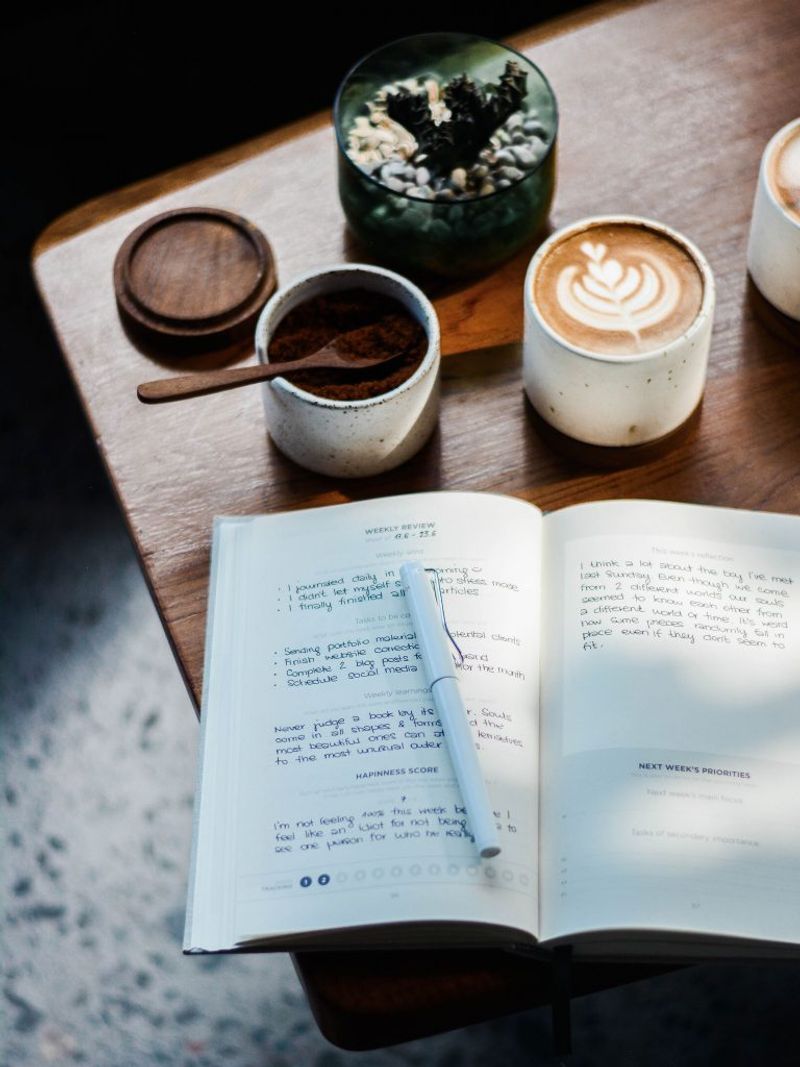
Of everything on this list, this one cuts the deepest. Your notes app or private journal is where you keep the thoughts you have not said out loud, the doubts, the dreams, the quiet questions about the relationship itself.
When a controlling partner insists on reading your private writing, he is not looking for logistics. He is looking for the last room in your mind that he does not yet occupy, the one place you go to think honestly.
The reason this belongs at the end is that it represents the final corner. Once your inner voice is being read and judged, there is nowhere left that belongs only to you, and that is precisely the point for someone who needs total access. You may have stopped writing certain things down, or started keeping a journal you know he will never find. That instinct to protect your own thoughts is not paranoia, it is self-preservation, and it tells you that a part of you already knows you deserve a private corner of your own.