
Maybe you have felt that little knot in your stomach when your phone buzzes and you already know who it is, before you even look. If you are with someone who always seems to know where you are, who you are with, and what you are doing, that is not romance dressed up as attention. Psychologists say controlling partners often use everyday phone habits to keep tabs on you without ever admitting it out loud. You deserve to recognize these signs so you can trust what you already feel is true.
1. The Constant Location-Sharing Request
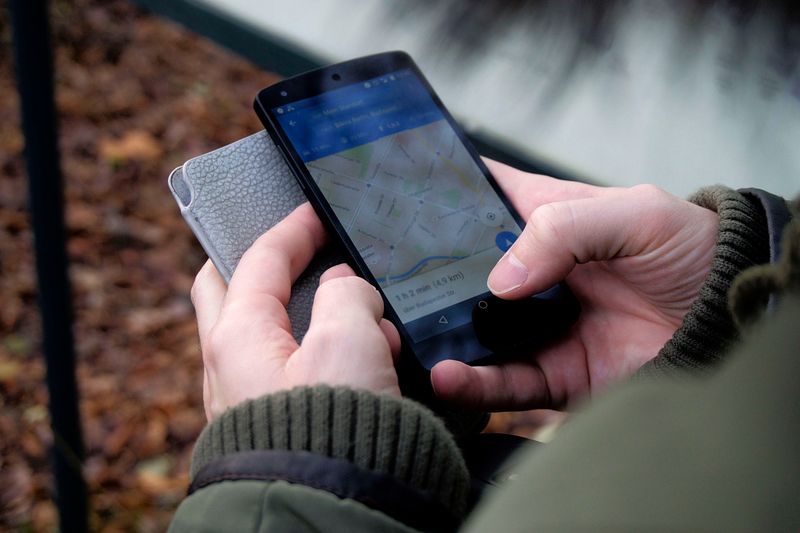
It usually starts sweet. He says he just wants to know you got home safe, so he asks you to turn on location sharing. At first it feels caring, even a little flattering.
But somewhere along the way, the tone shifts. Suddenly it is not about safety anymore, it is about him checking the little blue dot whenever the mood strikes. Psychologists point out that a healthy partner might glance at your location once in a rare while, while a controlling one treats it like a live feed of your life.
What makes this habit sneaky is how reasonable it sounds when he explains it. If you ever try to switch it off, the reaction tells you everything. A person who respects you shrugs it off. Someone who needs control gets tense, wounded, or suddenly suspicious of why you would want privacy in the first place.
You are allowed to want a corner of your day that belongs only to you. Wanting that does not make you secretive or cold. It makes you a whole person, and that is exactly what unsettles someone who wants to keep you small.
2. Reading Your Messages Before You Do
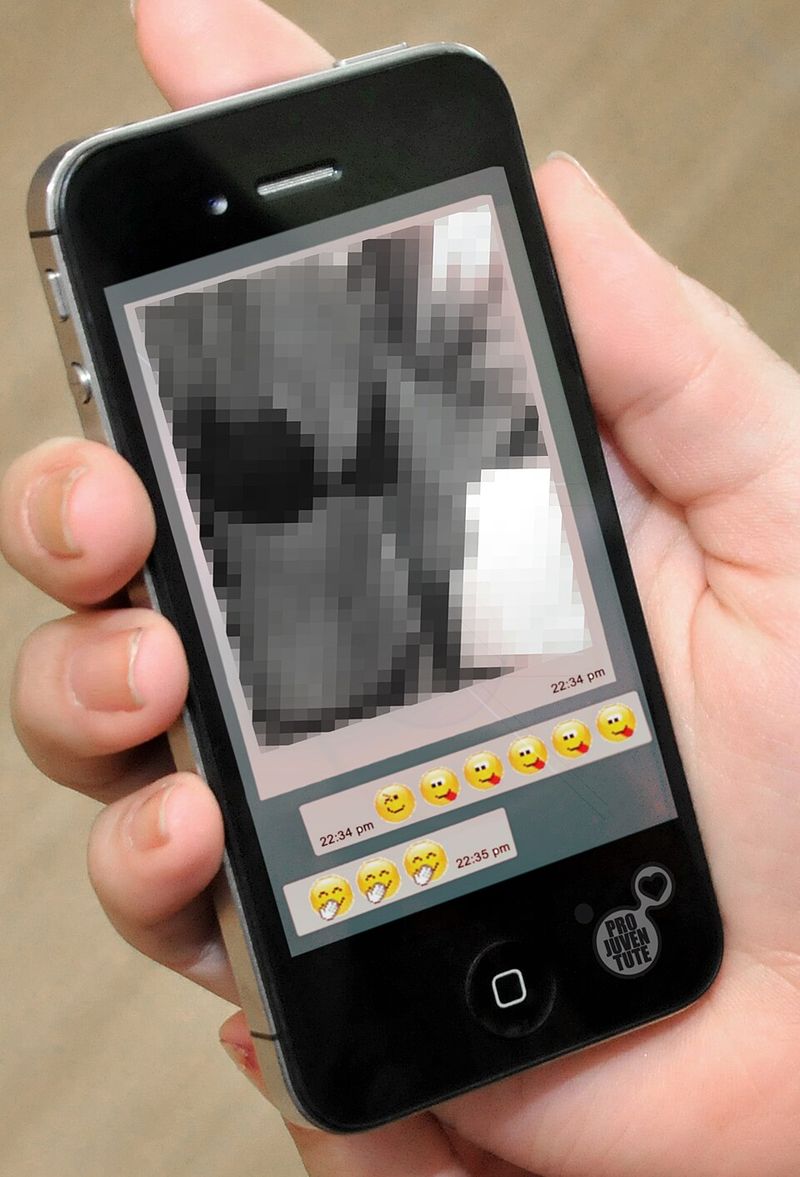
Ever notice how he seems to know about a text before you have even opened it? That is not a coincidence, and it is rarely a mistake.
Some partners set up your notifications to mirror on shared devices, or they simply pick up your phone the moment it lights up. It gets framed as harmless curiosity, but the real goal is knowing who reaches out to you and when.
Therapists describe this pattern as a quiet way of shrinking your world. If he sees every message first, he can react, question, or comment before you get a chance to respond on your own terms. Over time, you may start hesitating before you even text a friend.
Here is the part worth sitting with. Your messages are yours. A relationship built on trust does not require a front-row seat to every conversation you have. When someone insists on that access, they are telling you they trust their control more than they trust you.
3. The Never-Ending Check-In Texts

Ping. Where are you? Ping. Who are you with?
Ping. Why did it take you so long to answer?
The check-in text disguises itself as thoughtfulness, but the sheer frequency gives it away. One caring message is love. Fifteen in an afternoon is a leash made of words.
What psychologists find striking about this habit is the emotional timing. The questions often land right when you are trying to enjoy something on your own, a lunch with a friend or a quiet errand. The pattern trains you to keep your phone in your hand and your attention half on him, no matter where you go.
And when you do not reply fast enough, the mood flips. Suddenly you are cold, distant, or hiding something. You start answering quicker just to keep the peace, and that is exactly the point.
Notice how you breathe when your phone is on silent. If part of you relaxes, that feeling is information worth honoring.
4. Insisting on Sharing Passwords
“If you have nothing to hide, why not just share your passwords?” It sounds fair on the surface, almost like a test of loyalty.
The trap is buried in the logic. Sharing a password once out of convenience is one thing. Being expected to hand over every code, and having yours demanded while his stay mysteriously private, is a different story entirely.
Relationship experts note that this kind of one-way transparency is a classic control move. It is not really about honesty. It is about access, and access lets him monitor your calls, your apps, and your whereabouts anytime he chooses.
Privacy is not the same as secrecy, though a controlling partner will blur those two words on purpose. You can adore someone deeply and still keep a locked phone. Boundaries are not betrayal. They are the walls that keep you feeling like yourself inside a relationship that is supposed to lift you, not surveil you.
5. Tracking You Through Shared Apps and Photos
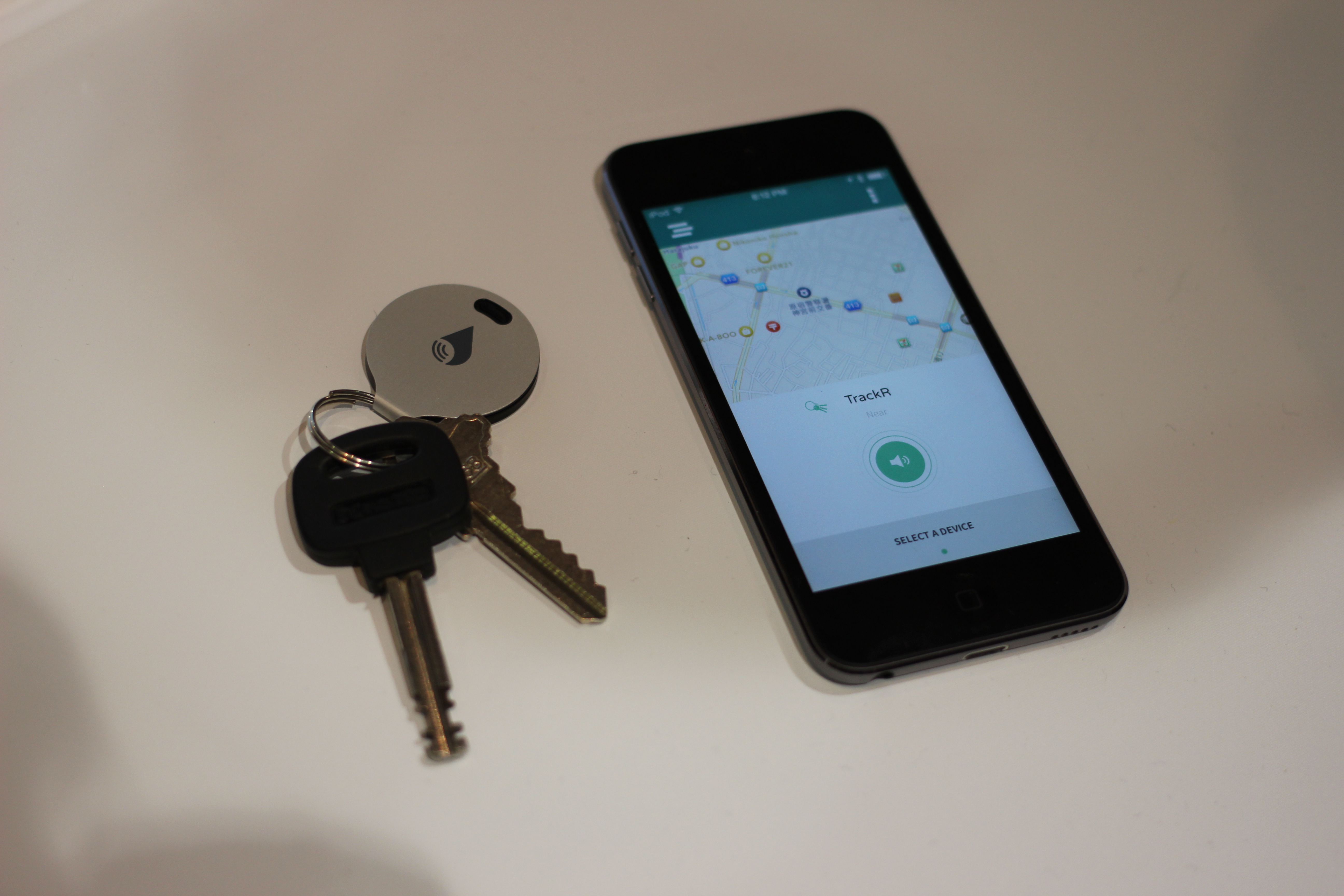
Here is a quiet one that slips past almost everyone. Every photo you snap and every app you use can carry a little breadcrumb of where you were and when.
Some partners lean into this. They ask you to send pictures throughout the day, then study the background or the timestamp. Others link calendars, fitness trackers, or ride-share accounts under the banner of being a team.
Psychologists describe the effect as a slow tightening. On its own, each request feels tiny and even sweet. Stacked together, they build a map of your entire day that you never agreed to hand over.
What sets this habit apart from the louder ones is how invisible it stays. There is no dramatic argument, just a growing sense that he always knows a little more than he should. If you have ever wondered how he guessed exactly where you had been, this is often the quiet answer.
You are not paranoid for noticing. You are paying attention, and attention is the first step back to yourself.
6. Calling Repeatedly Until You Answer
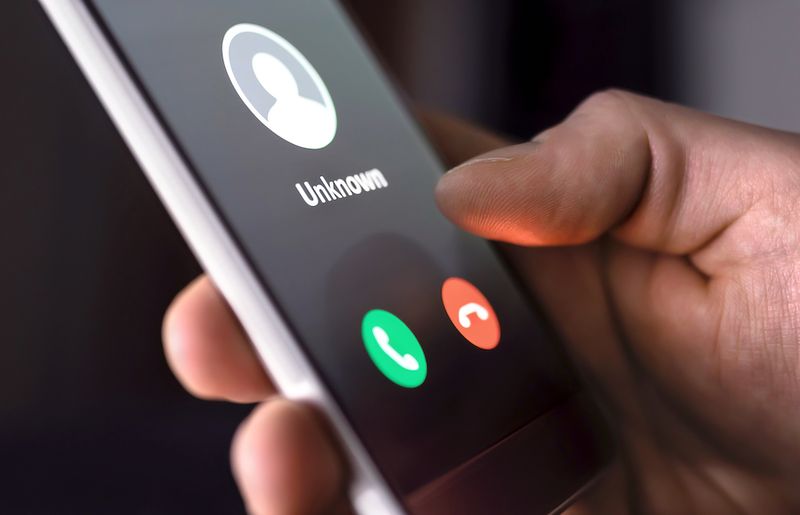
You step away from your phone for twenty minutes and come back to seven missed calls. No emergency. No real reason. Just the calls themselves as the message.
The repeated call is louder than a text and harder to ignore, and that is exactly why it works. It forces you to stop whatever you are doing and account for yourself right now.
Experts who study controlling behavior say the goal is not conversation. It is confirmation, proof that you are reachable and, more to the point, that you are where you said you would be. The unspoken rule becomes clear fast. You are expected to be available on demand.
Think about how differently a secure partner handles a missed call. They wait. They assume you are busy and living your life. They do not treat your silence as a crime to be solved.
If answering feels less like connection and more like clocking in, your gut is already telling you what your mind is trying to explain.
7. Getting Upset When Your Phone Is Off
Picture this. Your battery dies during a long day, or you finally silence your phone for a little peace. When you reconnect, the storm is already waiting.
An off phone should be a non-event. To a controlling partner, though, it feels like a door slammed in his face. The anger that follows is not really about worry, even when he swears it is. It is about losing the thread that keeps him informed of your every move.
Psychologists say this reaction reveals the whole game. When a person cannot stand the idea of you being unreachable, they are not longing for you. They are missing their line of sight into your life.
You are a full human being, not a signal that must stay lit around the clock. Turning your phone off is allowed. Resting is allowed. And a love that punishes you for a few quiet hours is not the safe harbor it pretends to be.
Trust the part of you that feels the difference between being cared for and being watched. She has been right all along.