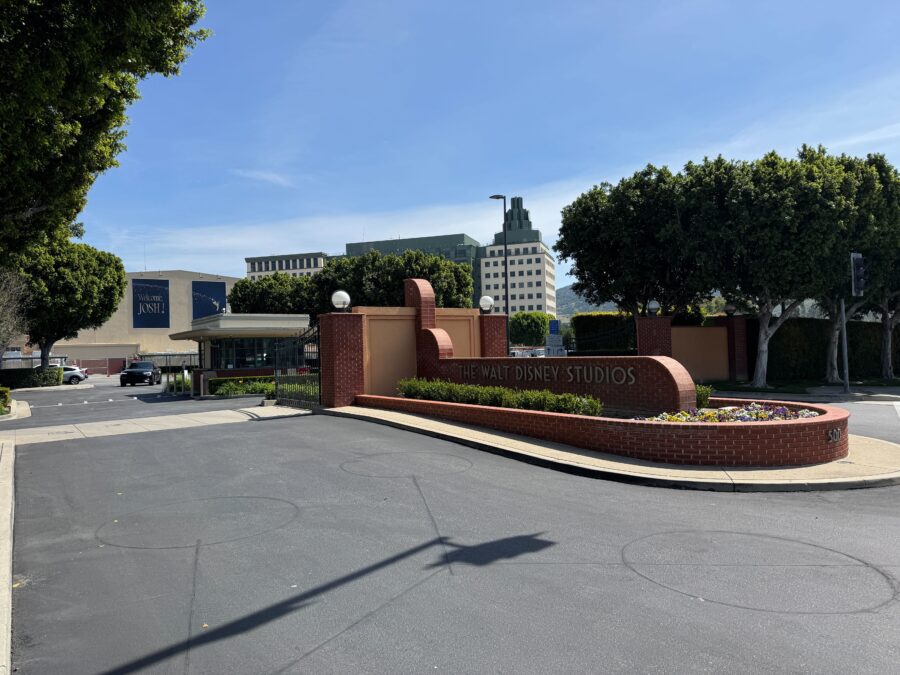
The memo landed the week before CinemaCon, which is the kind of timing only a conglomerate in a hurry would choose. On a Monday afternoon in mid-April, Disney’s freshly installed CEO, Josh D’Amaro, sent out an internal note explaining, in the lavender language of corporate restructuring, that roughly a thousand people would be leaving the company. By Tuesday night, a second round of reporting had peeled back the euphemism: the axe had fallen hardest on Marvel Studios’ Visual Development team — the Oscar-winning group responsible for turning a director’s half-formed sentence into the image you see on every billboard in North America.
It was the kind of cut that doesn’t show up on a balance sheet for years. And that, more than the number itself, is what makes this round of layoffs worth stopping over.
The ledger and the myth
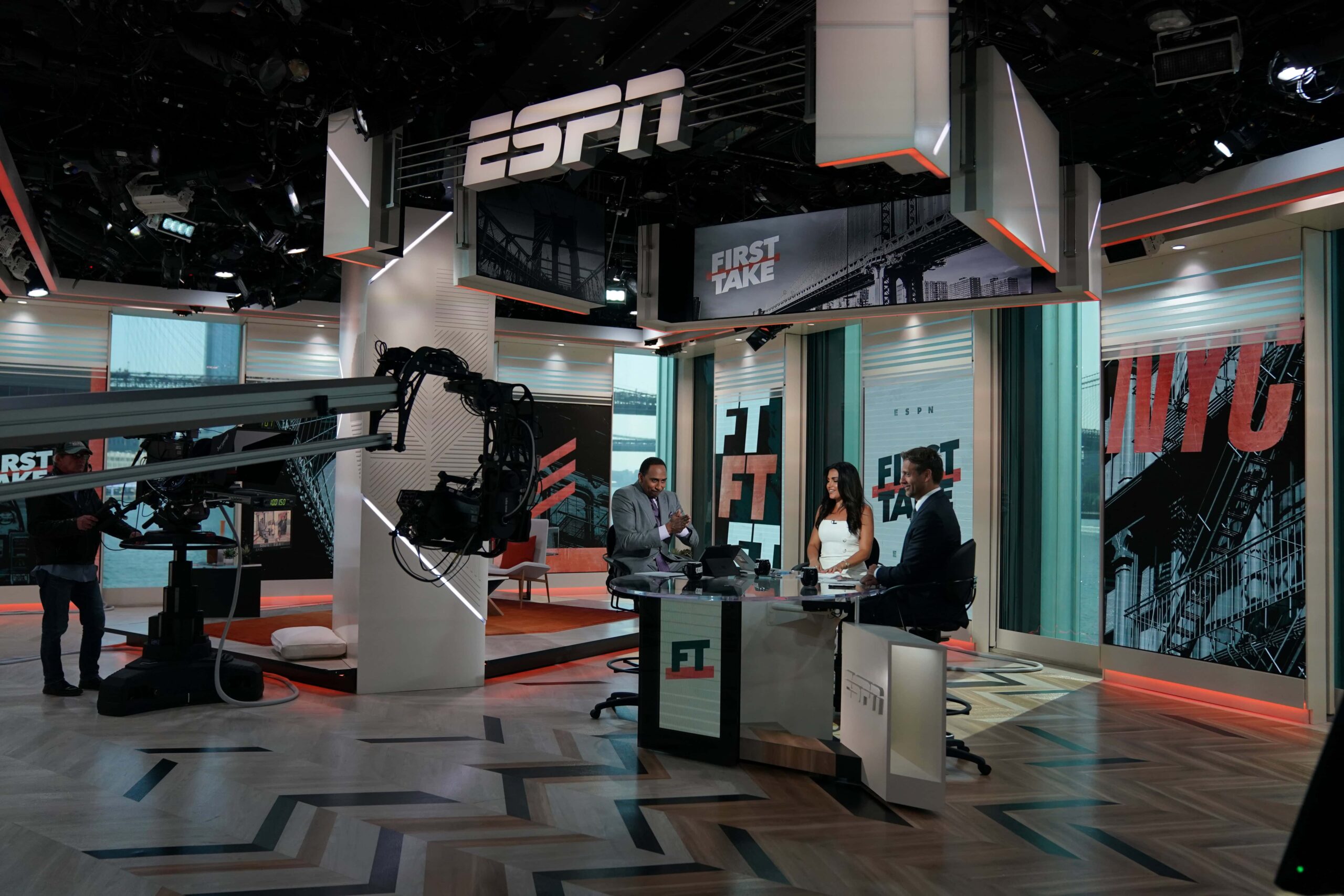
Every major Disney restructuring since the Eisner era has been sold as a return to discipline. This one arrived with a familiar vocabulary: efficiency, focus, a company “built for the next decade.” The specifics, leaked through Deadline, The Wrap, and a dozen trade sites over 48 hours, told a less tidy story. Entire PR teams gone. Marvel Entertainment’s publishing arm thinned. ESPN trimmed. A 23-year Marvel Comics veteran, SVP David Gabriel, out. Eight percent of Marvel’s total workforce reportedly let go in a single pass.
The ledger is real. Disney is still carrying the cost of the streaming wars it chose to fight at full sprint, plus the write-downs from a handful of movies that failed to find their audience. Shareholders like decisive CEOs. New CEOs like to be decisive.
The myth is harder. For the better part of fifteen years, Marvel’s internal origin story has been that the studio works because a small group of obsessives sits in a building in Burbank drawing Iron Man armor for months before a script exists. That origin story was not marketing. It was operational reality. It is now, depending on who you ask, either a luxury the company can no longer afford or the exact thing the company cannot afford to lose.

What a visual development team actually does
If you have ever wondered why a Marvel movie looks like a Marvel movie before the first frame of footage is shot, the answer used to live in a handful of rooms above the old Frank G. Wells Building. Visual development artists take a three-line pitch — “a space archer who’s also a tree” — and produce the hundreds of paintings, silhouettes, and material studies that tell a director, a VFX house, and a costume department what the thing actually is.
It is unglamorous labor. It is also the only stage of production where someone is paid to be wrong for months on end. Kill the department and you do not lose a line item. You lose the part of the pipeline where bad ideas are allowed to die cheaply, in pencil, before they become expensive mistakes in post.

The AI question no one wants to answer out loud
Within hours of the news, fan forums, Kotaku, and a handful of industry reporters had landed on the same suspicion: that this was the first major Hollywood layoff to quietly presume generative AI could fill the gap. Disney has not said so. Disney will not say so. But the company has been open, in its own financial filings and executive interviews, about “AI-assisted workflows” in animation and VFX, and the people closest to the concept art pipeline are precisely the people whose work a diffusion model can most convincingly imitate at the thumbnail stage.
The argument for efficiency is straightforward. The argument against it — the one made repeatedly, over the past week, by former Marvel artists speaking anonymously — is that a pitch-deck image is not the same object as a shot-ready design, and that the distance between the two is the entire value of having a vis-dev department in the first place. You can generate a hundred Doctor Doom helmets overnight. You cannot, yet, generate the one that works on a six-foot actor in a three-camera setup under practical lighting without looking like a Halloween costume.
The timing tells you what the decision actually was
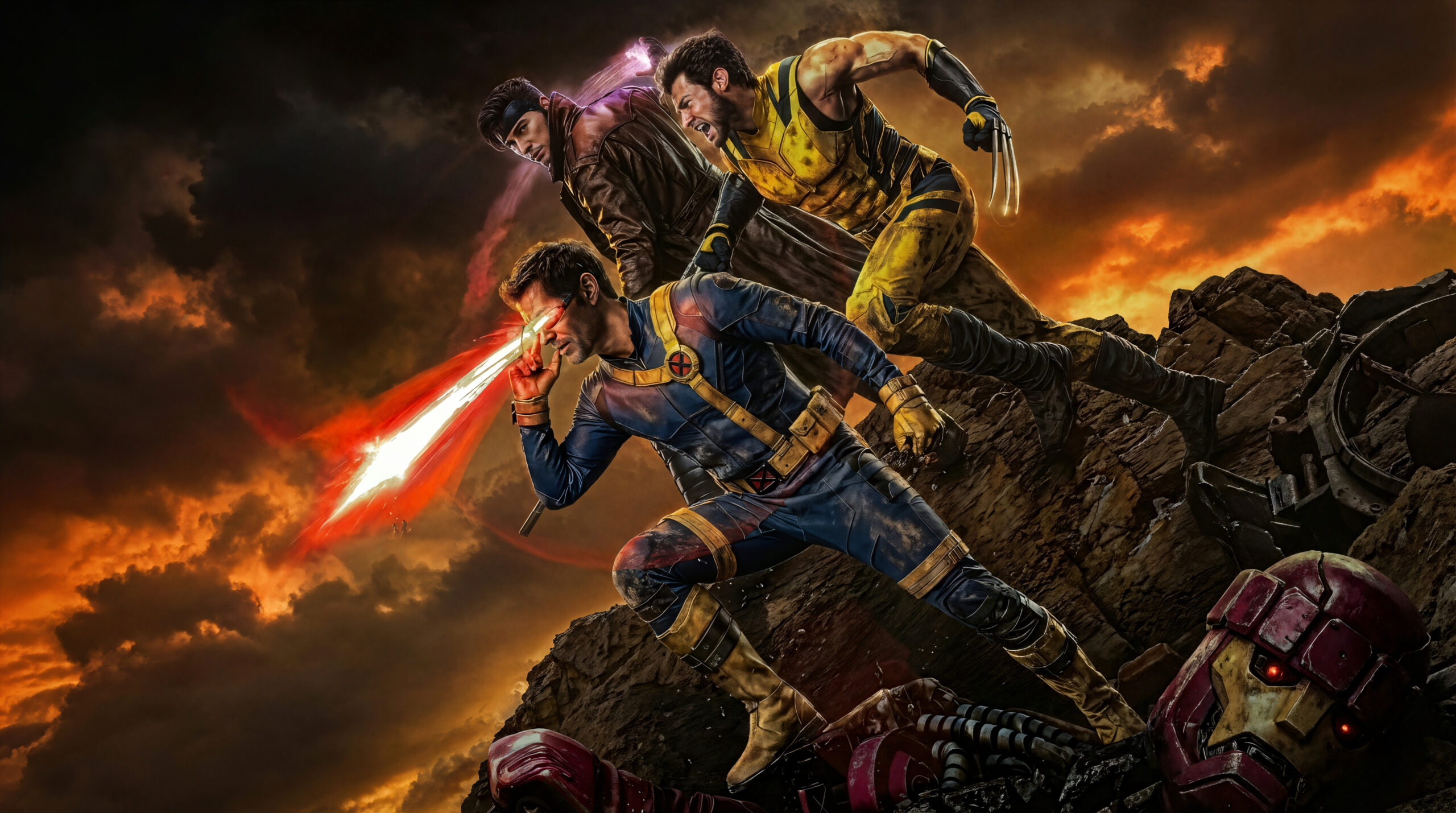
Here is the part of the story the press release will not explain. The layoffs were announced roughly seven months before the release of Avengers: Doomsday, the most expensive Marvel production in the studio’s history and the one on which the next phase of the MCU is explicitly staked. You do not gut your visual language department seven months before the movie that is supposed to reset your visual language. Not unless the calendar is being driven by a logic that has nothing to do with the movie.
That logic is obvious, and it is not cynical to name it. A new CEO needs a public signal that the old regime’s cost structure is over. Quarterly guidance needs a story. The street needs a number. And Marvel, which has spent the last three years absorbing the narrative blame for Disney’s streaming-era misadventures, is the most legible place to put the knife.
The part that will take five years to measure
Comics, famously, remember everything. Within 48 hours of the Marvel Entertainment cuts, editors and writers were quietly noting that David Gabriel’s departure ends a continuity of institutional memory that has outlasted three Marvel film eras, two corporate parents, and one bankruptcy. The people who know where the bodies are buried — which licenses are encumbered, which character rights hinge on a decades-old handshake, which editor can call which artist on a Saturday — tend to be the people a spreadsheet flags first.
You do not feel that loss this quarter. You feel it the first time a project needs a decision only a veteran would have known to make, and no one in the building remembers who used to make it.

Coda
Disney will be fine. Disney is almost always fine. The parks will print money, the catalog will keep rerunning on Disney+, and Avengers: Doomsday will do whatever Avengers: Doomsday does at the December box office regardless of what happened in a Burbank conference room in April. The company has survived worse decisions than this one, and a fair number of them were made by the same executive class now describing the layoffs as a renewal.
What will be harder to undo is the quiet message the industry just received. For a decade, Marvel was the argument that craft at scale was possible — that you could run a blockbuster factory without the factory swallowing the people who made the blockbusters watchable. The Doomsday memo does not disprove that argument. It simply stops making it.
The next time a Marvel movie looks like every other Marvel movie, it will be worth remembering that the building where the difference used to be decided now has fewer people in it, and that no one in a position to replace them has yet admitted what, exactly, is meant to fill the room.
— A. Moore