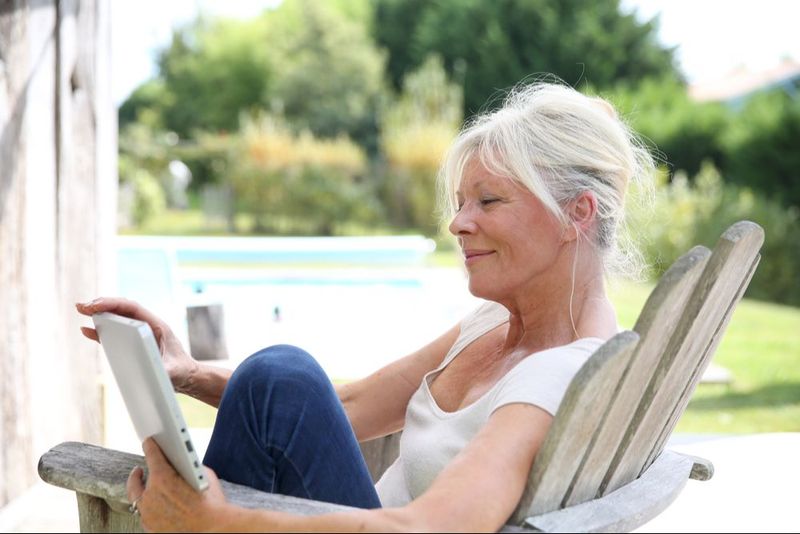
Somewhere along the way, a quiet fear settled in for many women over 55 who live without a partner: the worry that an empty side of the bed means a life that went wrong. That fear is worth naming, and then examining carefully. Living alone can mean many things, including grief, relief, chosen solitude, or circumstance, and none of those things decides whether a woman’s life is full or finished.
Living Alone Is Not Proof That Her Life Fell Behind
There is a story many women absorb long before they reach their fifties: that a shared home with a partner is the measure of a life going right. When that shared home disappears, through divorce, widowhood, a relationship that quietly wore out, or a deliberate choice to leave, the absence can feel like evidence of failure. That feeling is real, and it deserves to be met honestly rather than brushed aside.
Still, household status is not the same thing as well-being. A woman can live alone and have a rich, connected, purposeful life. She can also live alone and feel frightened, financially stretched, or deeply lonely. Both are true, and neither cancels the other out.
What matters is not the arrangement itself but whether it comes with the conditions that allow her to actually breathe in it: some degree of choice, adequate resources, meaningful relationships, and practical support.
More women over 65 in the United States live alone than most people realize. 2022 Census data found that about 33 percent of women age 65 and older lived alone, compared with roughly 22 percent of men the same age. Among women 75 and older, that share rose to approximately 43 percent. These figures describe women 65 and older specifically, not every woman over 55, and they include women who live alone by choice, by loss, or by a combination of both.
The corrected version of this article’s own title is worth stating plainly: living alone after 55 does not automatically hand a woman love, freedom, or peace. What it can do, under the right conditions, is give her more room to shape her days around her own priorities. That possibility is worth exploring, carefully and honestly, without pretending it applies to everyone equally.
Autonomy Can Make Solitude Feel Like Space to Breathe
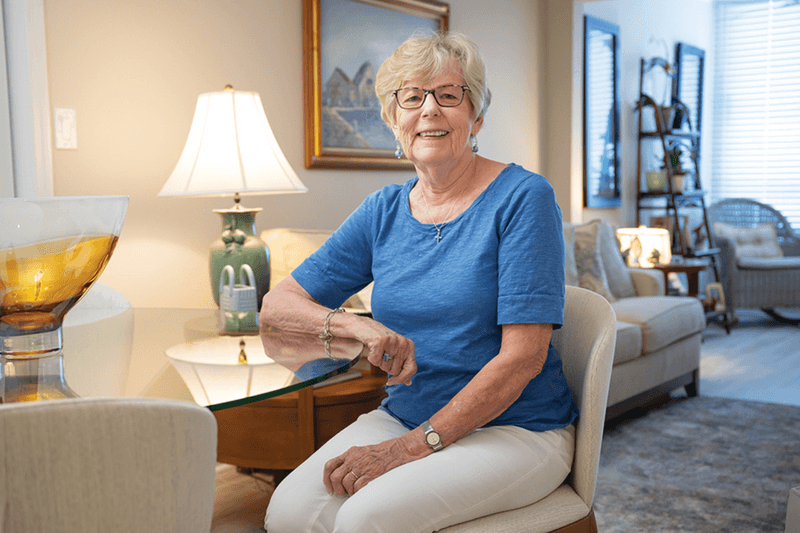
Research on solitude offers a finding that tends to surprise people: older adults often experience time alone more positively than younger adults do. A key reason is autonomy. When being alone feels chosen and self-directed rather than imposed, it tends to carry a different emotional weight. Studies on solitude and autonomy in adulthood suggest that the subjective experience of aloneness shifts meaningfully depending on whether a person feels in control of it.
For some women, that finding maps directly onto daily life. You can wake up at the time that actually suits your body. You can keep your home at the temperature you prefer, arrange your furniture without negotiating, cook what you want or skip cooking entirely, and decide on a Saturday morning whether you want company or quiet. You can pursue a friendship that a former partner found exhausting, spend money on something that matters only to you, or decide whether to date, when to date, and on what terms.
These are not small things. For a woman who spent years managing a household around someone else’s preferences, or who left a relationship that felt chronically draining, that kind of ordinary control can feel genuinely restorative. The key word is “can.” Autonomy is a possible benefit of living alone, not a guaranteed one, and it depends on circumstances that vary widely from one woman to the next.
Solitude that arrives through loss, illness, financial pressure, or limited mobility carries a different texture than solitude that feels freely chosen. A woman whose living alone reflects what she actually wanted tends to experience it differently from one whose aloneness was handed to her by grief or circumstance. Both situations are valid. Both deserve honest attention rather than a single reassuring message that papers over real differences.
The practical point is this: if living alone feels like space to breathe, that is not a coincidence or a rationalization. Autonomy over your own daily life has genuine value, and naming that value clearly is not the same as pretending the arrangement is perfect for everyone.
Love Does Not Require a Shared Address
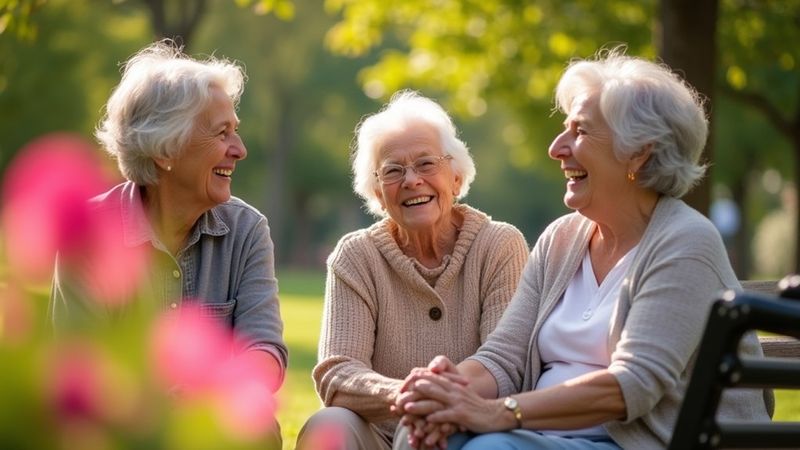
One of the most persistent myths about living without a partner is that it means living without love. That equation is worth pulling apart carefully, because it does real harm to women who have built rich, caring lives that simply do not include a cohabiting partner.
Love shows up in a lot of addresses. It lives in the friend who texts you after your doctor’s appointment. It is in the adult child who calls every Sunday without being asked. It is in the neighbor who notices when your car has not moved and knocks on the door to check.
It is in the volunteer shift where you know you are genuinely needed, in the faith community that holds you, in the sister you have talked to almost every day since you were teenagers. None of these connections are consolation prizes for the absence of a partner. They are love, functioning as love does.
Romantic connection does not disappear after 55 either. Some women maintain loving partnerships without living together, a arrangement sometimes called “living apart together,” that offers intimacy without the daily negotiations of a shared household. Others are not interested in romance at this point in their lives, and that preference is equally legitimate.
Where the research becomes useful is in understanding relationship quality rather than relationship status. Studies on marital quality and well-being find that the quality of a partnership matters far more than simply having one. A supportive, warm relationship can contribute meaningfully to well-being. A strained, depleting, or chronically distressing one is associated with poorer outcomes, though the evidence does not reduce to a simple claim that a difficult partnership is identical in its effects to having no partner at all.
The practical takeaway is not that partnership is bad or that friendship is a substitute for every form of intimacy. It is that love takes many shapes, and a woman who tends her friendships, family ties, and community connections with real attention is not settling for less. She is building something that can hold her, even when other things change.
Peace Needs Connection, Not Constant Company
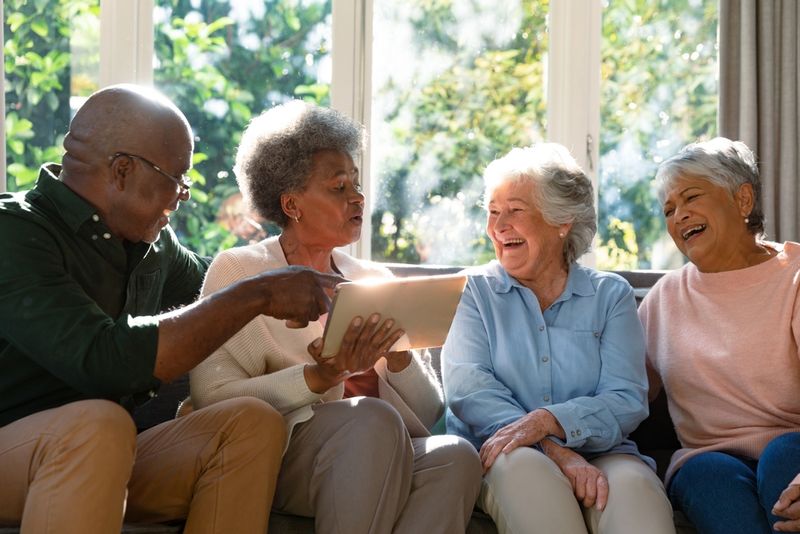
Living alone and feeling lonely are not the same thing, and that distinction matters more than it might seem. The CDC distinguishes social isolation, which refers to limited contact or support, from loneliness, which is the subjective feeling that the connection you want is missing. You can live alone and feel deeply connected. You can also live with a full household and feel profoundly unseen.
The walls around you do not determine which one you experience.
That said, loneliness is a genuine risk for some older women living alone, and it deserves honest acknowledgment rather than cheerful dismissal. The goal is not to pretend loneliness away but to build connection deliberately, in ways that fit your actual life and schedule.
Recurring, concrete contact tends to work better than occasional big plans. The National Institute on Aging recommends keeping regular contact with family and friends, joining classes or community groups, volunteering, and participating in meaningful activities as practical ways to maintain connection. A scheduled Tuesday morning call with a close friend, a weekly walk with a neighbor, a regular seat in an exercise class where people know your name: these small, consistent touchpoints build the kind of connection that actually sustains a person.
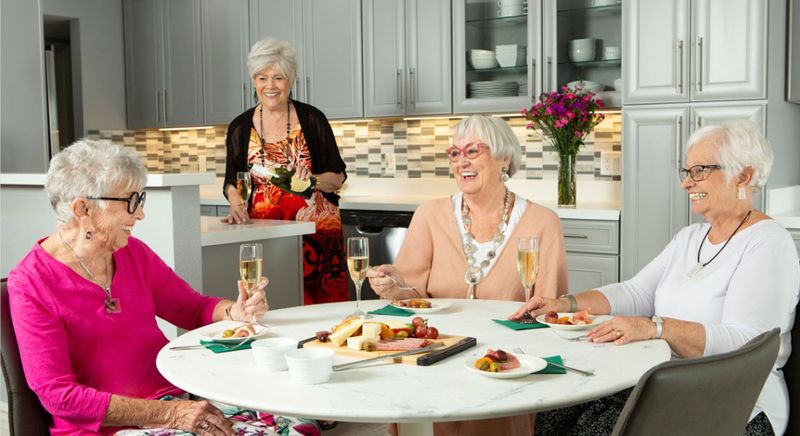
Sharing meals with others also appears to matter. A longitudinal study of older adults in Japan found that eating with others was associated with greater happiness over time, though the study was conducted in a specific cultural setting and cannot be taken as proof that shared meals directly cause happiness. The association is still worth noting: regular, in-person time with people you care about tends to count for something.
When loneliness persists despite genuine effort, or when it shifts into hopelessness, withdrawal from things you used to care about, or thoughts of self-harm, that is not a signal to find a new hobby. NIA advises seeking professional or medical support in those situations. In the United States, you can call or text 988 to reach the Suicide and Crisis Lifeline. Reaching for that kind of help is not a failure of independence.
It is what taking care of yourself actually looks like.
Independence Works Better With Support Behind It
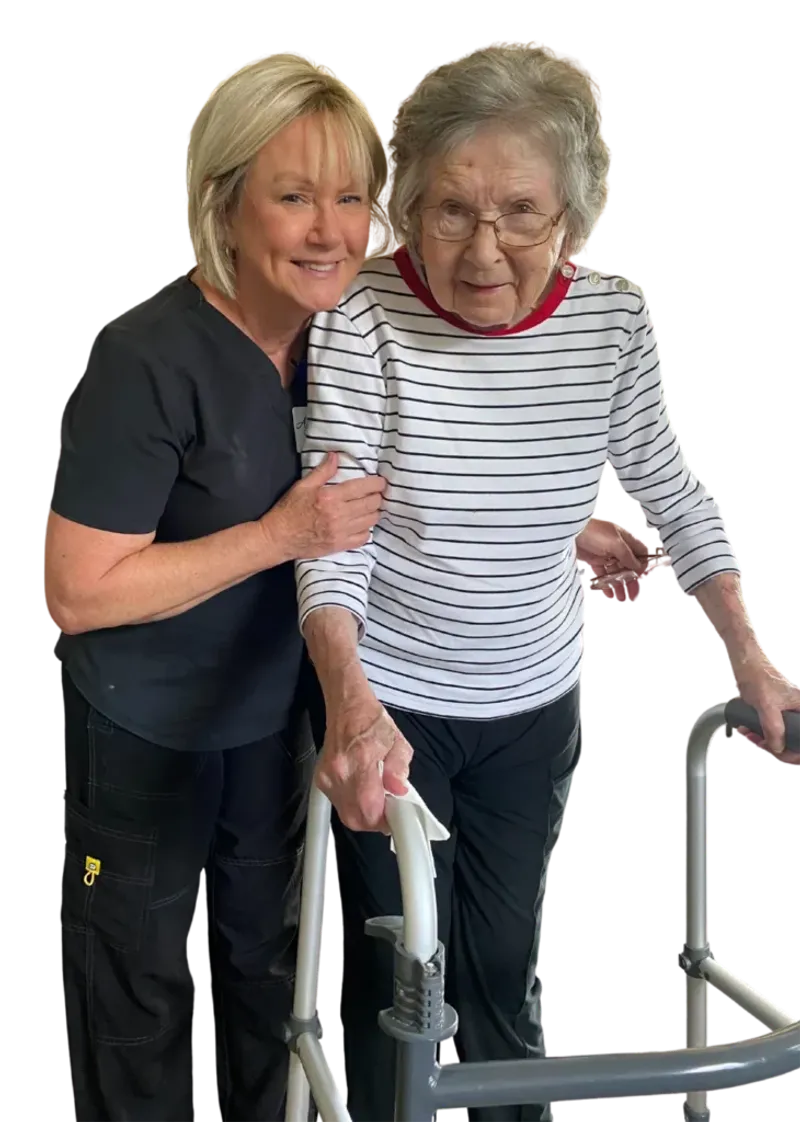
Somewhere in the conversation about living alone after 55, a quiet pressure can emerge: the idea that a truly independent woman handles everything herself, asks for nothing, and proves her capability by needing no one. That version of independence is not only exhausting. It can be genuinely unsafe as circumstances change with age.
Real self-direction, the kind that actually holds up over years, usually involves knowing what you need and building the support to meet it. NIA’s guidance on services for older adults living at home recommends considering regular check-ins, transportation assistance, in-home help, community services like the Eldercare Locator, and emergency medical alert systems as practical components of a safe solo living arrangement.
Emergency alert devices deserve a realistic description: they can be genuinely useful after a fall or sudden health event, but they only work if they are worn, charged, and properly set up. They are a supplement to human check-ins, not a replacement. A trusted neighbor with a key, a family member who calls regularly, or a friend who notices when something seems off can provide a layer of safety that no device fully replicates.
Home safety modifications are worth addressing before they feel urgent. NIA’s home safety guidance includes removing loose rugs and trip hazards, improving lighting throughout the home, installing grab bars in bathrooms, securing carpet edges, and using nonslip surfaces in kitchens and bathrooms. These adjustments are not admissions that something is wrong. They are practical decisions that reduce risk.
Medication management is another area where solo living calls for a clear plan. Aging in place works best when a woman has thought through how she will handle prescriptions, refills, and any changes to her regimen. Pill organizers, pharmacy delivery services, and a current medication list shared with a trusted person can all reduce the chance that a manageable situation becomes a crisis.
Asking for help with any of this is not a concession. It is how a woman who wants to stay in her own home actually does it, on her own terms, for as long as possible.
Financial Planning Supports Practical Security
Breathing room in daily life is harder to sustain when money is a constant source of anxiety. For women living alone after 55, the financial picture has some specific features worth understanding, not to alarm, but to plan around clearly.
One-person households carry the full weight of housing, utilities, health care, transportation, and emergency costs without a second income to share the load. Older adults living alone are more likely to experience financial hardship than those living with others, and that gap is real enough to take seriously as part of any honest conversation about solo living.
Social Security claiming age is one of the decisions with the most lasting impact on a solo income. The CFPB’s Social Security planning tool explains how the age at which you claim affects your monthly benefit for the rest of your life, and how out-of-pocket health-care costs tend to rise with age. Understanding those two variables together is a useful starting point for any financial review.
Beyond Social Security, a practical planning checklist for a woman living alone might include: reviewing all sources of retirement income and how long they are expected to last; estimating housing costs and whether your current home remains manageable as you age; building or maintaining an emergency fund that covers several months of expenses; updating beneficiary designations on retirement accounts and insurance policies; and making sure a power of attorney and health-care directive are in place and held by someone you trust.
These are preparation topics, not guarantees. Financial planning can support practical security and reduce avoidable uncertainty, but it does not eliminate risk or produce emotional peace on its own. A qualified financial advisor, a benefits counselor through your local Area Agency on Aging, or a legal professional can help you work through the specifics that apply to your situation. The goal is not a perfect plan.
It is a clear enough picture that you are not surprised by things you could have seen coming.
A Life on Her Terms Can Still Include Other People
A full life without a cohabiting partner is possible. It is not guaranteed by the absence of one, and it does not require proving that you are better off alone. Both of those qualifications matter, because the goal here is honesty rather than a competing mythology.
What research on autonomy and solitude supports is a conditional claim: when living alone feels chosen and self-directed, and when it comes with meaningful connection, adequate resources, and practical support, it can be a genuinely good arrangement. That is a real finding, worth holding onto. It is also a finding with conditions attached, and those conditions require tending.
The relationships that make solo living sustainable are not a backup plan. Staying connected through friendships, family, community, and shared activities is not what you do instead of having a real life. It is what a real life is made of, whether or not a partner is part of it. And as health and circumstances shift over time, aging in place works best when a woman has built the kind of network that can move with her through those changes.
Living alone may feel chosen, welcome, painful, or some combination that shifts from week to week. All of those experiences are legitimate. You do not have to resolve them into a single clean feeling to be doing this right.
The invitation here is not to prove that you do not need anyone. It is to define what a whole life looks like for you specifically, and then build toward it with honesty, practical care, and the people who show up for you. That is not a lesser version of love. It is love arranged around who you actually are.