
Someone belittles you, and suddenly you’re replaying the moment for hours, wondering what you did wrong. Here’s the truth that can quiet that noise: most of the time, their cutting words have almost nothing to do with you. When a person makes you feel small, they’re usually leaking something they haven’t dealt with inside themselves. Understanding the real reasons behind that behavior can help you stop carrying weight that was never yours to hold.
1. They Are Drowning in Their Own Insecurity

Picture someone who feels like they are never quite good enough, no matter what they achieve. Putting you down becomes a quick way to feel taller for a moment.
Insecurity is one of the most common engines behind belittling. When a person quietly doubts their own worth, watching someone else shine can feel threatening. Chipping away at you may give them a fleeting sense of being back on top.
What makes this reason stand out from the rest is that it often has nothing to do with anything you said or did. You could be kind, humble, and encouraging, and still become a target simply because your presence reminds them of what they wish they had. The comment lands on you, but the wound started long before you walked into the room.
If you have ever felt smaller after being around a certain partner, friend, or relative, it can help to remember that confident people rarely need to shrink others. The put-down is often a mirror of their own private struggle, not an honest measure of your value.
2. They Are Protecting a Fragile Ego

Some people build their sense of self on a foundation that cracks under the slightest pressure. When that happens, a small comment from you can feel like a full attack to them.
A fragile ego needs constant defending. Rather than sit with the discomfort of feeling challenged, they push back by making you seem less capable, less smart, or less worthy. It is a shield, not a fact.
Unlike plain insecurity, this pattern shows up most strongly when their status feels touched. Offer a better idea in a meeting, or gently disagree at dinner, and suddenly the mood turns sharp. Their reaction may have more to do with an old fear of being exposed than with anything you actually meant.
Recognizing this can soften how personally you take it. Their sharpness is often a hasty patch over a self-image that feels far shakier than it looks from the outside.
3. They Learned It Growing Up

Long before this person ever met you, someone may have spoken to them the exact way they now speak to you. Belittling can be a habit passed down like a hand-me-down coat.
Children who grow up hearing constant criticism often absorb it as the normal way people relate. As adults, they repeat the pattern without even noticing, because it is simply what love and connection looked like in their home.
The reason this deserves its own place on the list is that it explains the almost automatic quality of some put-downs. There is no calculated plan behind them. The words tumble out because that is the script they were handed.
None of this excuses how it feels to be on the receiving end. Still, it can bring a strange kind of relief to realize their sharp tongue may be an echo of an old wound rather than a true verdict on you. Patterns learned early can be unlearned, but only by the person willing to do that work.
4. They Are Trying to Feel in Control
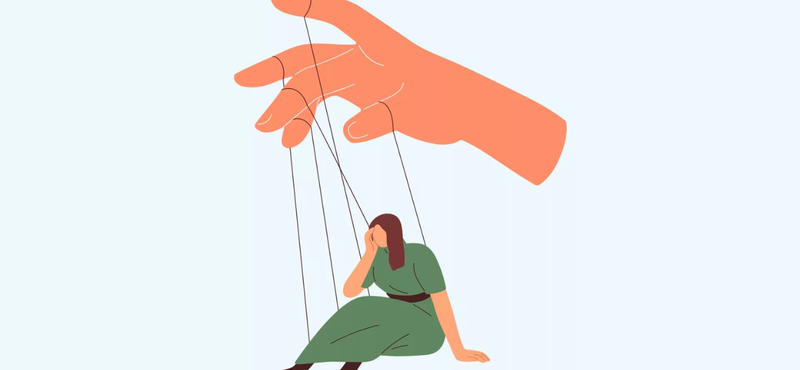
When life feels chaotic, some people reach for the one lever they think they can still pull: making the people around them feel small.
Control is comforting to someone who feels powerless. If their job is unstable, their health is uncertain, or their own home feels out of their hands, dominating a conversation can create the illusion that they are still steering something.
What separates this from a fragile ego is the underlying goal. It is less about protecting their image and more about managing a scary feeling of helplessness. You become the thing they can control when everything else refuses to cooperate.
In relationships, this often looks like nitpicking, correcting, or deciding for you. If you have felt yourself slowly shrinking to keep the peace, it may help to notice that their grip usually tightens most when their own world feels the loosest. The control is about their fear, not your freedom.
5. They Are Jealous of Something You Have

Envy has a sneaky way of dressing up as criticism. That backhanded comment about your new relationship or your recent win may be jealousy wearing a costume.
People rarely admit they are jealous, even to themselves. So instead of saying they wish they had your confidence, your marriage, or your freedom, they minimize what you have. If they can convince themselves it is not that great, the ache of wanting it eases a little.
The distinctive thing here is the timing. The digs tend to arrive right when something good happens for you. Share exciting news and watch for the person who responds with a small, cool remark instead of warmth.
Understanding this can protect your joy. Their reaction is a compliment in disguise, a sign that something about your life stirs a longing in them. You do not have to dim your light so their envy feels more comfortable.
6. They Are Projecting Their Own Flaws

Ever been accused of being selfish by the most self-centered person you know? That eerie mismatch has a name in psychology, and it is called projection.
Projection happens when someone cannot bear to see an unflattering trait in themselves, so they toss it onto you instead. The insult they hurl is often a confession they do not realize they are making. The lazy one calls you lazy. The dishonest one questions your honesty.
What makes projection worth its own section is how confusing it feels. You end up defending yourself against a charge that fits them far better than it fits you, and that mismatch can leave you doubting your own read on reality.
Once you spot the pattern, it loses a lot of its sting. Their accusations can become clues about their private battles rather than truths about your character. When the shoe truly does not fit, you are allowed to set it back down and walk away.
7. They Crave Attention and Power

For a certain kind of person, being the center of the room is not a nice bonus, it is oxygen. And putting someone else down can be a fast way to grab the spotlight.
Belittling others can create drama, and drama pulls all eyes toward the one causing it. When they cut you down at a gathering, they are often less interested in you and more interested in the reaction they get from everyone watching.
The reason this earns its own spot is the audience factor. Notice how these remarks tend to appear when there are people around to witness them, rather than in a quiet one-on-one moment. The performance needs a crowd.
If you have felt used as a prop in someone else’s show, that instinct is worth trusting. Their hunger for attention and power is a bottomless well, and no amount of your shrinking will ever fill it. Refusing to react on cue takes away much of what they were chasing.
8. They Are Carrying Unhealed Pain

Hurt people, as the old saying goes, tend to hurt people. Behind a lot of cruelty sits a person who is quietly suffering in ways you may never see.
Unprocessed grief, betrayal, disappointment, or loneliness can curdle into a sharp edge. Someone weighed down by old pain may lash out simply because it is easier than facing what actually aches inside them. You happen to be nearby, so you catch the spillover.
Distinct from projection, this is less about a specific trait and more about a general cloud of hurt that colors how they treat everyone. Their bitterness is not aimed at you personally, even when it lands on you personally.
Compassion here does not mean tolerating mistreatment. You can hold two truths at once: their pain is real, and you still deserve to be spoken to with respect. Understanding the wound can help you keep your heart soft while your boundaries stay firm.
9. They Fear Being Left Behind

Some people belittle the ones they love most precisely because they are terrified of losing them. Strange as it sounds, cutting you down can be a clumsy attempt to keep you close.
When a partner senses you growing, changing, or reaching for more, a quiet panic can set in. If they can make you doubt yourself, maybe you will not feel confident enough to leave. The put-downs become invisible ropes.
This reason stands apart because it hides inside relationships that look like love. The person may genuinely care about you while also fearing that your growth will leave them behind. Their comments shrink your world so their fear feels smaller.
If you have felt held back by someone who claims to adore you, that tension is worth sitting with honestly. Real love wants you to grow, even at the risk of growing apart. A partnership built on keeping you small was never truly about your happiness.
10. They Follow the Crowd

Not every put-down comes from a deep inner wound. Sometimes a person belittles others simply because everyone around them is doing it, and joining in feels safer than standing out.
Group settings can pull decent people into unkind behavior. In a workplace clique or a critical family circle, mocking someone might be the price of belonging. The individual may not even hold the harsh opinions they voice, they just do not want to be the next target.
The wrinkle that sets this apart is that it is driven by social pressure more than personal feeling. Get the same person alone, and they might treat you completely differently, even apologize.
Knowing this does not make the sting disappear, but it reframes it. Their behavior reflects a weak spine in a group, not a settled judgment about you. And it quietly reveals who has the courage to be kind when kindness is not the popular choice.
11. They Struggle to Empathize

Imagine going through life without feeling much of what other people feel. For some, that is not cruelty by choice, it is a genuine gap in their ability to sense your emotions.
Low empathy means a person may not fully register how their words land. They can steamroll your feelings, dismiss your worries, and belittle your efforts without the internal alarm most of us feel when we hurt someone. The harm is real even when the intention is not.
Compared with the other reasons, this one is less about motive and more about missing wiring. There is no calculated jab, just a blind spot where your emotions should be showing up on their radar.
Living or working alongside someone like this can be exhausting and confusing. You keep waiting for the moment they will understand, and it may never come. Accepting that the empathy gap is theirs, not a failure on your part, can free you from endlessly explaining your pain to someone who cannot quite feel it.
12. They Are Testing Your Boundaries

A quiet dig here, a dismissive joke there, and they are watching closely to see what you will accept. Some belittling is really a probe, checking how much they can get away with.
People who want the upper hand often start small. A little put-down that you laugh off tells them the door is open. Each time you let it slide, the comments grow bolder, because they have learned there is no cost.
What makes this pattern unique is the way it escalates. It rarely stays the same size. Left unchecked, a stray insult can grow into a steady habit of disrespect that reshapes how the whole relationship feels.
The good news is that your response holds real power here. Naming the behavior calmly and refusing to shrink often surprises them into backing off. You get to decide where your line sits, and holding it teaches people exactly how you expect to be treated.
13. They Resent Their Own Choices

There is a particular sourness that comes from someone who feels stuck in a life they did not really choose. When your freedom highlights their regret, they may take it out on you.
A person who settled, gave up a dream, or stayed somewhere out of fear can find your happiness hard to be around. Rather than face their own disappointment, they belittle your choices to make their path feel less like a cage. If your joy looks foolish, maybe their sacrifice looks wise.
Setting this apart from simple jealousy is the flavor of self-blame underneath. They are not only envious of what you have, they are quietly angry at themselves for what they gave away, and that anger leaks onto you.
You might see this most clearly in comments about your relationship, your career risks, or the way you refuse to settle. Their disapproval often says more about the road they wish they had taken than about the one you are bravely walking. Your life is not a critique of theirs, even when they treat it that way.